
Ruqyah Duas
5 Healing Recitations from the Quran and Sunnah
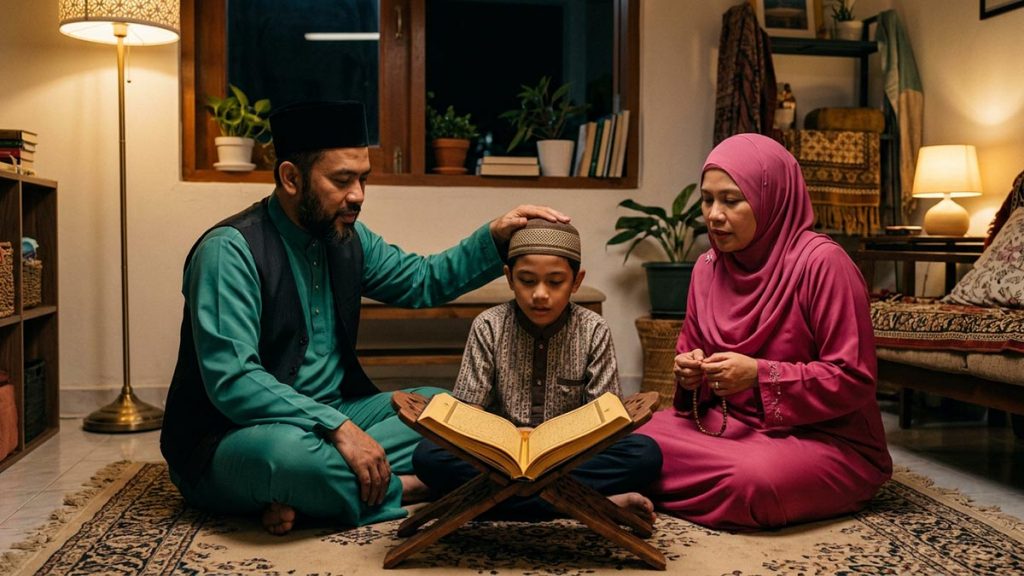
When illness, harm or distress strikes, the believer turns to Allah for cure, and ruqyah is one of the most beautiful means He has provided. The ruqyah duas are the healing recitations of the Quran and the authentic supplications of the Prophet Muhammad (pbuh), read over the sick to seek the cure of Allah. Among the most powerful is the supplication the Prophet (pbuh) himself used, asking Allah, the Lord of mankind, to remove the harm and grant a healing that leaves no illness behind.
اللَّهُمَّ رَبَّ النَّاسِ، أَذْهِبِ الْبَأْسَ، اشْفِ أَنْتَ الشَّافِي، لَا شِفَاءَ إِلَّا شِفَاؤُكَ، شِفَاءً لَا يُغَادِرُ سَقَمًا
Allāhumma rabban-nās, adhhibil-ba’s, ishfi antash-shāfī, lā shifā’a illā shifā’uk, shifā’an lā yughādiru saqamā.
“O Allah, Lord of mankind, remove the harm and heal, for You are the Healer. There is no healing but Your healing, a healing that leaves no illness behind.”
Ruqyah is not magic, nor a formula with power of its own. It is a turning to Allah through His own words and the supplications He taught, recognising Him as the only true Healer. The Prophet (pbuh) performed ruqyah, had it performed on him, and approved of his companions doing it, establishing it as a lawful and blessed means of seeking cure, always alongside the trust that healing rests entirely in the hands of Allah.
This guide explains the ruqyah duas, what ruqyah is, five healing recitations from the Quran and Sunnah, and how to perform ruqyah, so that the believer may seek cure through the words of Allah, certain that He is the Healer and that ruqyah is one of the means He has provided, to be used alongside the medical care that Islam also encourages.
The Meaning of the Ruqyah Duas
The most famous of the ruqyah duas is the supplication the Prophet (pbuh) would make when visiting the sick, asking Allah, the Lord of mankind, to remove the harm and to heal, affirming that He is the only Healer, that there is no healing except His healing, and asking for a healing that leaves no trace of illness behind. Every phrase turns the heart entirely to Allah, recognising that cure does not come from medicine, recitation or any creature, but from Allah alone, who heals through the means He provides.
This supplication captures the spirit of all ruqyah duas. They are not incantations with power of their own, but humble appeals to Allah, the Lord of mankind, who alone holds the power to cure. By affirming that there is no healing but the healing of Allah, the believer places their hope entirely in Him, asking for a complete cure that removes the illness root and branch.
The Prophet (pbuh) used these ruqyah duas for himself and others, blowing gently and wiping over the place of pain while reciting. He taught that the cure is from Allah, and that ruqyah is a means of seeking it, never a guarantee independent of His will. This keeps the believer humble and reliant, asking Allah for healing while accepting whatever He decrees as carrying a wisdom and reward of its own. This balance, hoping for cure while submitting to the decree of Allah, is the very spirit of the ruqyah duas. They are recited with an earnest longing for healing, yet with full acceptance that the timing and manner of the cure rest entirely with Allah, who alone knows what is best for His servant and who never withholds except for a greater good, even when that good is hidden from our sight for a time.
وَإِذَا مَرِضْتُ فَهُوَ يَشْفِينِ
Wa idha maridtu fahuwa yashfin
And when I am ill it is He who heals me the Lord of the worlds
What Is Ruqyah?
Ruqyah is the recitation of the Quran and authentic supplications over a person to seek protection or cure from Allah. It may be performed for physical illness, for the harm of the evil eye, for the effects of magic, or for distress of the heart, always seeking the healing of Allah through His own words. The greatest ruqyah is Surah Al-Fatihah, which the Prophet (pbuh) approved when his companions recited it to cure a man who had been stung, confirming that the opening of the Quran is a powerful means of healing.

For ruqyah to be lawful and beneficial, it must meet clear conditions. It must use the words of Allah, His names and attributes, or authentic supplications; it must be in a language whose meaning is understood; and it must rest on the belief that the cure comes from Allah, not from the words themselves. Any ruqyah that involves seeking help from other than Allah, using unknown words, or turning to sorcerers falls outside what Islam permits and must be avoided entirely.
Understood correctly, ruqyah is the very opposite of magic. Where magic seeks help from devils and the forbidden, ruqyah turns wholly to Allah through His own speech. The ruqyah duas are therefore a pure act of worship and reliance, a means of drawing near to Allah while seeking His protection and cure, and a mercy He has placed within the reach of every believer. No special rank or hidden knowledge is required to perform it, for the speech of Allah is open to all who turn to Him in sincerity. Any believer may recite over themselves or their loved ones, in their own home and at any time, seeking the cure of Allah through His own blessed words and the supplications His Prophet (pbuh) taught.
وَنُنَزِّلُ مِنَ الْقُرْآنِ مَا هُوَ شِفَاءٌ وَرَحْمَةٌ لِلْمُؤْمِنِينَ
Wa nunazzilu minal-Qur’ani ma huwa shifa’un wa rahmatun lil-mu’minin
We send down of the Quran that which is healing and mercy for believers
Five Healing Recitations from the Quran and Sunnah
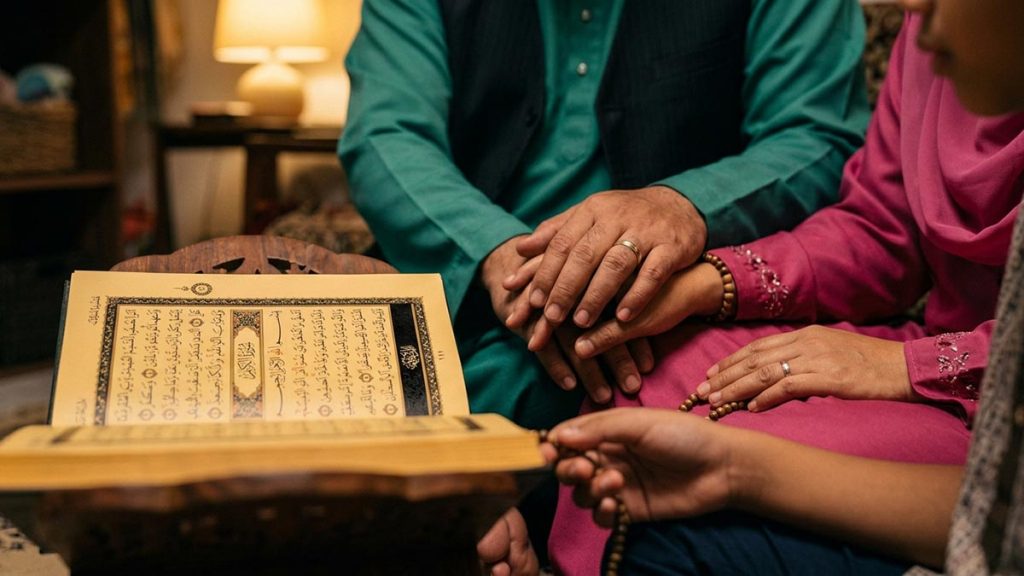
The Quran and Sunnah provide a treasury of healing recitations, all seeking cure from Allah. These five are among the most powerful ruqyah duas.
- Surah Al-Fatihah, the greatest ruqyah, recited over the sick as the Prophet (pbuh) approved.
- Ayat al-Kursi, the greatest verse, recited for protection and healing.
- The Three Quls, Surah Al-Ikhlas, Al-Falaq and An-Nas, blown into the hands and wiped over the body.
- The healing dua, asking Allah to remove the harm and grant a cure that leaves no illness.
- The supplication of Jibril, beginning ruqyah in the name of Allah for protection and cure.
How to Perform Ruqyah
Performing ruqyah is simple and within the reach of every believer. One begins in the name of Allah with sincere intention, seeking cure from Him alone. Then the healing recitations are read, Al-Fatihah, Ayat al-Kursi, the Three Quls and the authentic supplications, while the reciter blows gently into the hands and wipes them over the body, or over the place of pain. The Prophet (pbuh) performed self-ruqyah in exactly this way during his final illness, showing that a believer may recite over themselves.

Ruqyah may be performed on oneself or on another, such as a sick family member, and one may also seek a trustworthy, knowledgeable person to perform it. What matters is that the words are the Quran and authentic supplications, recited with belief that healing comes from Allah. The believer should avoid anyone who claims hidden powers, asks for strange rituals, or shows signs of dealing with the forbidden, for these are signs of sorcery, not ruqyah.
Throughout, the believer pairs ruqyah with the medical care that Islam encourages, for the Prophet (pbuh) taught that Allah has sent down a cure for every illness and urged seeking treatment. Ruqyah and medicine are not opposites but two lawful means of seeking the cure that ultimately comes from Allah. The believer recites, takes their medicine, and trusts the outcome to Allah, certain that whatever He decrees holds goodness.
تَدَاوَوْا عِبَادَ اللَّهِ فَإِنَّ اللَّهَ لَمْ يَضَعْ دَاءً إِلَّا وَضَعَ لَهُ دَوَاءً
Tadawaw ‘ibadallahi fa’innallaha lam yada‘ da’an illa wada‘a lahu dawa’a
Seek treatment servants of Allah for Allah has sent a cure for every illness
Healing Comes from Allah Alone
At the heart of all the ruqyah duas is a single truth: that healing comes from Allah alone. The recitations and supplications are means He has provided, but the cure is entirely in His hands, as the Prophet (pbuh) affirmed when he declared that there is no healing but the healing of Allah. This keeps the believer humble in times of illness, turning to Allah with hope while taking the lawful means of recitation and medicine.
By making the ruqyah duas a part of their life, the believer carries a powerful means of seeking the protection and cure of Allah. Whether facing physical illness, the harm of the evil eye, the effects of magic, or distress of the heart, they turn to the words of Allah, certain that He is the Lord of mankind who removes harm and grants healing. The ruqyah duas pair naturally with the dua before ruqyah that opens the recitation, and the Three Quls recited for protection and cure, placing the believer wholly under the healing care of Allah.
Ruqyah is a turning to Allah through His own words, with healing resting entirely in His hands. Learn the protection duas with us on YouTube, where the ruqyah recitations are read aloud, on TikTok for a reminder of how to seek cure from Allah, and on Pinterest where readers share how they find healing through His words.
Frequently Asked Questions
The ruqyah duas are the healing recitations of the Quran and authentic supplications read over the sick to seek cure from Allah. They include Al-Fatihah, Ayat al-Kursi, the Three Quls, and the prophetic supplication asking Allah to remove harm and heal.
Ruqyah is the recitation of the Quran and authentic supplications over a person to seek protection or cure from Allah, for illness, the evil eye, magic or distress. It turns wholly to Allah and is the opposite of magic.
Begin in the name of Allah with sincere intention, recite Al-Fatihah, Ayat al-Kursi, the Three Quls and authentic supplications, and blow gently while wiping over the body. The Prophet (pbuh) performed self-ruqyah in this way.
No, ruqyah and medicine are two lawful means of seeking the cure that comes from Allah, and Islam encourages both. The believer recites, takes their medicine, and trusts the outcome to Allah.
No, ruqyah is the opposite of magic; it turns wholly to Allah through His own words and authentic supplications, while magic seeks help from the forbidden. Ruqyah is a pure act of worship and reliance on Allah.
A believer may perform ruqyah on themselves or others using the Quran and authentic supplications, or seek a trustworthy, knowledgeable person. One must avoid anyone claiming hidden powers or dealing with the forbidden.