
The Three Quls
5 Reasons to Recite Them Every Day
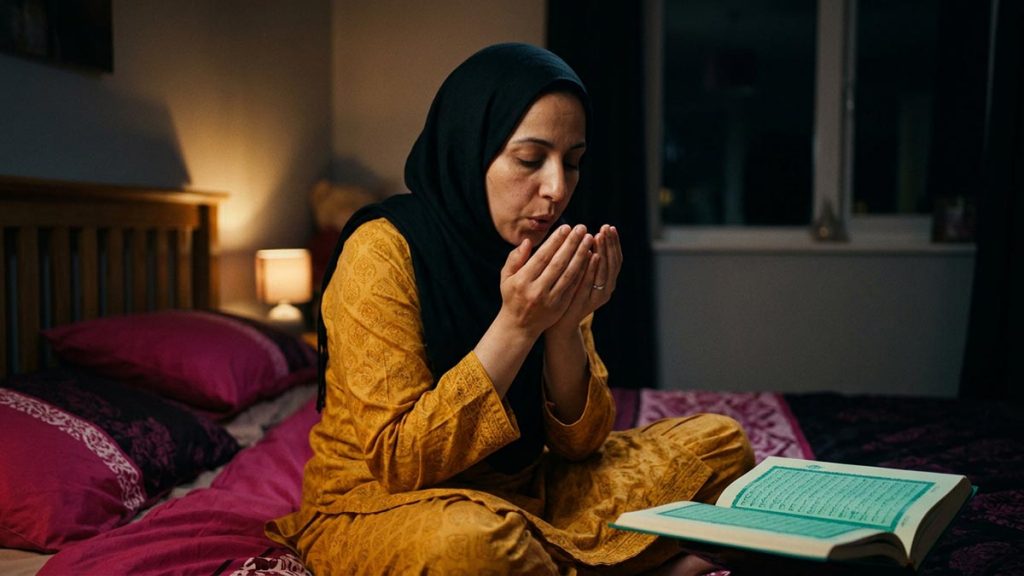
The Three Quls are among the most beloved and frequently recited surahs in Islam, three short chapters that the Prophet Muhammad (pbuh) made a daily protection and a declaration of pure faith. They are Surah Al-Ikhlas, which declares the absolute oneness of Allah, and Surah Al-Falaq and An-Nas, the two surahs of refuge that seek the protection of Allah from every harm. Each begins with the command qul, meaning say, which is why they are known together as the Three Quls.
قُلْ هُوَ اللَّهُ أَحَدٌ، اللَّهُ الصَّمَدُ، لَمْ يَلِدْ وَلَمْ يُولَدْ، وَلَمْ يَكُنْ لَهُ كُفُوًا أَحَدٌ
Qul huwa-llāhu ahad, Allāhus-samad, lam yalid wa lam yūlad, wa lam yakun lahu kufuwan ahad.
“Say: He is Allah, the One. Allah, the Eternal Refuge. He neither begets nor is born, nor is there to Him any equivalent.”
Despite their brevity, these three surahs carry immense weight. Surah Al-Ikhlas is equal to a third of the Quran, and Al-Falaq and An-Nas were described by the Prophet (pbuh) as the best means of seeking refuge. He recited them every morning and evening, before sleeping, and after every prayer, blowing them over himself for protection. To recite the Three Quls is to combine the purest declaration of faith with the strongest seeking of refuge, all in a few short verses.
This guide explains the Three Quls, the meaning of each surah, and five reasons to recite them every day, so that the believer may make these powerful surahs a constant part of their life, declaring the oneness of Allah and living under His protection from every harm, seen and unseen.
The Meaning of the Three Quls
The Three Quls are three short surahs that together combine the heart of faith with the seeking of refuge. The first, Surah Al-Ikhlas, declares the pure oneness of Allah: that He is the One, the Eternal Refuge upon whom all depend while He depends on none, who neither begets nor is born, and who has no equal whatsoever. In four short verses, it sums up the Islamic belief in Allah, free of any partner, likeness or need, which is why it carries such immense weight.
The second and third, Surah Al-Falaq and Surah An-Nas, are known as the two surahs of refuge. Al-Falaq seeks refuge in the Lord of daybreak from the evil of all that He created, from the darkening night, from those who practise magic, and from the envier when he envies. An-Nas seeks refuge in the Lord, King and God of mankind from the evil of the retreating whisperer who whispers into the hearts of people, whether from among the jinn or mankind. Together they place the believer under the protection of Allah from every harm.
Recited together, the Three Quls move from declaring who Allah is to seeking His protection from all evil. They begin with pure faith in the oneness of Allah, then turn to Him as the only refuge from harm, both the seen and the unseen. This combination of belief and reliance is why the Prophet (pbuh) made them a constant companion, reciting them through the day and night. He treated them not as occasional readings but as a daily shield and a daily affirmation of faith, weaving them into the rhythm of his mornings, his evenings and his nights, so that neither the protection nor the remembrance ever lapsed.
قُلْ هُوَ اللَّهُ أَحَدٌ اللَّهُ الصَّمَدُ
Qul huwallahu ahad Allahus-samad
Say He is Allah the One the Eternal Refuge upon whom all depend
Surah Al-Ikhlas: A Third of the Quran
Surah Al-Ikhlas holds a remarkable status: the Prophet (pbuh) taught that it is equal to a third of the Quran. He once asked his companions whether any of them could recite a third of the Quran in a night, and when this seemed difficult, he explained that Surah Al-Ikhlas, though only four verses, equals a third of the Quran in reward and meaning. This is because the Quran addresses three great themes, belief in Allah, stories and guidance, and law, and Al-Ikhlas perfectly captures the first and greatest of these, the oneness of Allah.

Because of this, reciting Surah Al-Ikhlas is a means of immense reward for very little effort. The Prophet (pbuh) also taught that loving this surah, for what it says about Allah, is a cause of entering Paradise, and he informed a companion who loved to recite it that his love for it would admit him to Paradise. It is a surah that every believer can memorise easily, carrying with them the purest declaration of the oneness of Allah.
Surah Al-Ikhlas is the first of the Three Quls and the foundation upon which the other two rest, for true refuge can only be sought in the One who has no partner or equal. By declaring the oneness of Allah before seeking His protection, the believer affirms that the One they turn to for refuge is the same One who created and controls all things, and beside whom there is no other. This is why the order of the Three Quls is so fitting, beginning with the oneness of Allah in Al-Ikhlas before turning to seek His refuge, for refuge is only truly meaningful when it is sought in the One who holds all power in His hands and beside whom there is simply no other refuge to be found at all.
Surah Al-Falaq and An-Nas: The Two Refuges

Surah Al-Falaq and Surah An-Nas, together called the Mu’awwidhatayn or the two surahs of refuge, were revealed as a complete protection from every harm. The Prophet (pbuh) described them as the best means by which a person can seek refuge, and he recited them for protection over himself and others. Al-Falaq seeks refuge from external harms: the evil of creation, the darkness of night, the harm of magic, and the harm of the envier. An-Nas seeks refuge from the most dangerous internal harm: the whispering of the devil into the hearts of people.
Between them, these two surahs cover the full range of harm a believer might face. Al-Falaq guards against the harms that come from outside, while An-Nas guards against the whispering that comes from within, the suggestions of the devil that lead the heart toward sin and doubt. The Prophet (pbuh) taught that no one seeking refuge has ever sought it with anything like these two surahs, showing their unmatched power as a shelter in the protection of Allah.
When the Prophet (pbuh) was once affected by magic, it was these two surahs that were revealed and recited for his cure, by the permission of Allah. This established the Mu’awwidhatayn as a central protection against magic, the evil eye and every unseen harm. Recited with belief and reliance on Allah, they place the believer under a shelter that no harm can breach, for the refuge they seek is in Allah alone.
قُلْ أَعُوذُ بِرَبِّ الْفَلَقِ مِنْ شَرِّ مَا خَلَقَ
Qul a‘udhu bi Rabbil-falaq min sharri ma khalaq
Say I seek refuge in the Lord of daybreak from the evil He created
Five Reasons to Recite Them Every Day
The Prophet (pbuh) made the Three Quls a daily habit and taught their great virtues. These five reasons show why they deserve a place in every believer’s day.
- They are a complete protection, sought morning and evening against every harm.
- Surah Al-Ikhlas equals a third of the Quran in reward and meaning.
- They guard the believer before sleep, recited and blown over the body.
- They protect against magic, the evil eye and the whispering of the devil.
- They combine pure faith in the oneness of Allah with seeking His refuge.
قُلْ أَعُوذُ بِرَبِّ النَّاسِ
Qul a‘udhu bi Rabbin-nas
Say I seek refuge in the Lord of mankind from the evil whisperer
Making the Three Quls a Daily Habit
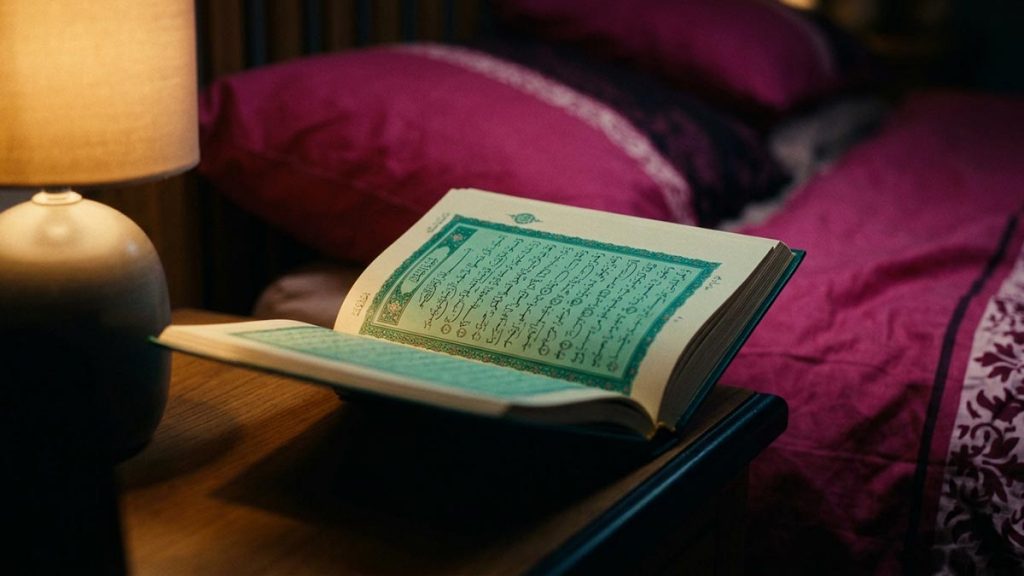
Given their power and reward, the Three Quls deserve to be a constant part of a believer’s day. The Prophet (pbuh) recited them three times each morning and evening, blowing them over himself for protection, and he recited them before sleeping, blowing into his hands and wiping them over his body. He also recited them after each of the five daily prayers. Woven into these moments, the Three Quls become a continual declaration of faith and a constant shelter in the protection of Allah.
Memorising and reciting the Three Quls is easy, for they are short and simple, yet their reward and protection are immense. A believer who makes them a daily habit carries the purest declaration of the oneness of Allah and the strongest seeking of His refuge with them at all times. They pair naturally with Ayat al-Kursi recited for protection, and the dua for protection from evil eye. Together they place the believer under the complete protection of Allah, declaring His oneness and seeking His shelter from every harm, day and night.
Three short surahs declare the oneness of Allah and shelter the believer from every harm. Learn the protection duas with us on YouTube, where the Three Quls are recited aloud, on Threads for a reminder to recite them morning and evening, and on LinkedIn where readers share how these surahs anchor their day.
Frequently Asked Questions
The Three Quls are the surahs Al-Ikhlas, Al-Falaq and An-Nas, each beginning with the command qul, meaning say. Al-Ikhlas declares the oneness of Allah, while Al-Falaq and An-Nas seek His refuge from every harm.
They are called the Three Quls because each of the three surahs begins with the word qul, meaning say. This shared opening links them together as a group recited for faith and protection.
The Prophet (pbuh) taught that Surah Al-Ikhlas equals a third of the Quran because it perfectly captures the theme of the oneness of Allah, one of the Quran’s three great themes. Its four verses carry immense reward and meaning.
The Prophet (pbuh) recited them three times each morning and evening, before sleeping while blowing over the body, and after each of the five daily prayers. Woven into these moments, they bring protection and reward.
Al-Falaq and An-Nas seek refuge from external harms like magic and the evil eye, and from the whispering of the devil within. Together with Al-Ikhlas, the Three Quls place the believer under the complete protection of Allah.
Recite them three times in the morning and evening and before sleep, blowing gently into the hands and wiping them over the body. The Prophet (pbuh) protected himself in exactly this way, relying on Allah for protection.