
Qurbani: The Sacrifice of Eid al-Adha
Qurbani is the sacred sacrifice offered by Muslims during Eid al-Adha, a powerful act of worship that revives the devotion of Prophet Ibrahim. By offering a permitted animal and sharing its meat with the poor, the believer expresses submission to Allah, gratitude for His blessings, and care for the wider community. Far from a mere ritual, the sacrifice carries deep spiritual meaning and a clear set of rules that ensure it is accepted. In this guide we explore what it is, why it matters, and the essential rules every Muslim should know about offering the sacrifice.
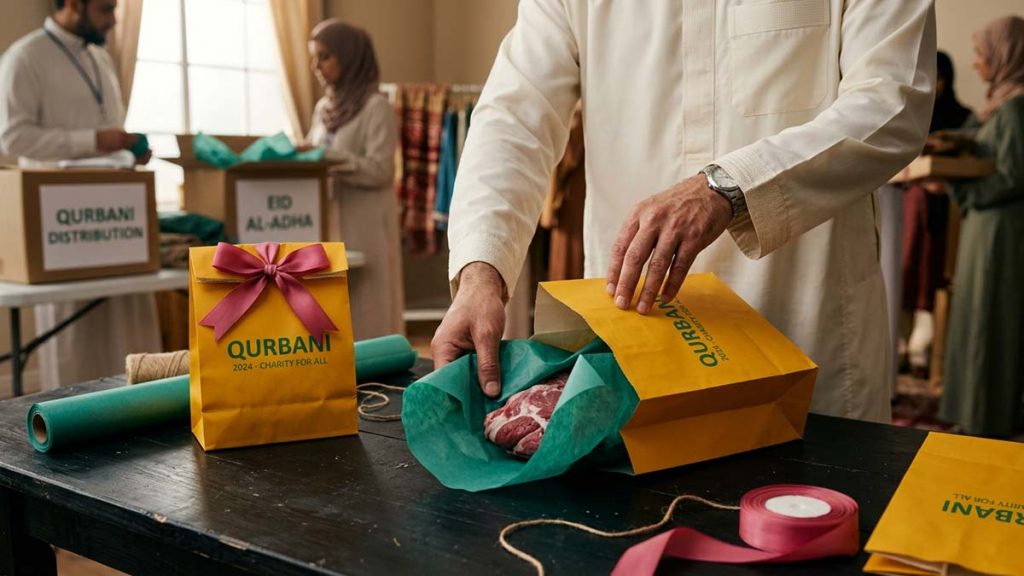
The Quran reminds the believer that it is not the flesh of the sacrifice that reaches Allah, but the devotion and mindfulness behind it.
لَن يَنَالَ ٱللَّهَ لُحُومُهَا وَلَا دِمَآؤُهَا وَلَٰكِن يَنَالُهُ ٱلتَّقۡوَىٰ مِنكُمۡ
“Their meat will not reach Allah, nor their blood, but what reaches Him is the piety from you.”
What Is Qurbani?
Qurbani, also called udhiyah, is the sacrifice of a permitted animal such as a sheep, goat, cow, or camel during the days of Eid al-Adha. It commemorates the willingness of Prophet Ibrahim to sacrifice his son and Allah’s mercy in ransoming the boy with a ram, an act of submission that every believer revives once a year.
The sacrifice is offered after the Eid prayer on the tenth of Dhul Hijjah and the days that follow. Its meat is shared with family, friends, and especially the poor, turning a personal act of worship into a source of joy and nourishment for the whole community.
6 Essential Rules of Qurbani
To ensure the sacrifice is valid and accepted, it helps to know its conditions. Here are six essential rules of Qurbani:
- Choose an eligible animal, such as a sheep, goat, cow, or camel of the right age.
- Ensure it is healthy and free of serious defects like blindness or lameness.
- Sacrifice within the days, from after the Eid prayer until sunset of the final day.
- Make a sincere intention to offer the sacrifice for the sake of Allah.
- Share the meat in three parts: family, relatives, and the poor.
- Treat the animal kindly, sharpening the blade and avoiding any cruelty.
The Sacrifice in the Quran and Sunnah
The deeper meaning of the sacrifice is made clear in Surah Al-Hajj, where Allah explains that He does not receive the meat or blood, but the devotion of the worshipper. The Prophet (pbuh) offered the sacrifice every year and encouraged the believers to do the same, reviving the legacy of Ibrahim and the spirit of charity in Islam.
It is not their meat or their blood that reaches Allah from your sacrifice but it is the devotion and mindfulness of Him within you
Why the Sacrifice Matters
Qurbani is a living act of submission. By giving up wealth and an animal for the sake of Allah, the believer echoes the obedience of Ibrahim and declares that nothing is too precious to surrender for the Creator. It is also a powerful act of gratitude and generosity, feeding the poor and reminding the wealthy that their blessings are gifts to be shared.
The Prophet taught that no deed on these days is more beloved to Allah than the sacrifice offered with sincerity and a willing heart
Who Should Offer Qurbani?
The sacrifice is offered by every Muslim who can afford it, on behalf of themselves and often their household. Scholars differ on whether it is obligatory or strongly recommended, but all agree it is a beloved act of worship that the one with the means should not neglect. A single sheep or goat suffices for one person or a family, while a cow or camel may be shared among several.
Choosing the Right Animal
The animal must be from the permitted livestock, sheep, goats, cattle, or camels, and must have reached the required age. It should be healthy and sound, free from defects such as obvious illness, blindness, lameness, or extreme thinness. Choosing a good, well-cared-for animal reflects the sincerity of the worshipper, for the believer offers to Allah only what is wholesome and worthy.
When to Offer the Sacrifice
The time for the sacrifice begins after the Eid prayer on the day of Eid al-Adha and continues for the three days that follow, ending at sunset of the final day. Offering it before the prayer does not count as the sacrifice, so the believer should wait until the prayer is complete, then offer it within the appointed days during this blessed period of Dhul Hijjah.
Sharing the Meat Generously
The meat of the sacrifice is traditionally divided into three portions: one kept for the family, one given to relatives and friends, and one distributed to the poor and needy. This sharing is at the heart of the sacrifice, ensuring that the joy of the festival reaches every home and that the hungry are fed, echoing the Prophet’s love of helping others in Islam.
Common Mistakes to Avoid
To make sure the sacrifice is accepted, steer clear of these errors:
- Offering the sacrifice before the Eid prayer, when it does not count.
- Choosing an animal that is sick, injured, or below the required age.
- Treating the animal harshly rather than with gentleness and care.
- Keeping all the meat and forgetting the share owed to the poor.
- Performing it as empty ritual without sincere intention for Allah.
Qurbani Through Charities Today
Many Muslims now offer their sacrifice through trusted charities, which carry out the slaughter and distribute the meat to needy communities around the world. This allows the believer to feed the hungry in regions of poverty and conflict while fulfilling the worship, a beautiful modern expression of the same generosity, though it is wise to use a reliable organisation and follow sound guidance.
The Devotion Behind the Sacrifice
It is easy to focus on the outward act of the sacrifice and forget that its true value lies in the heart. The Quran is clear that Allah receives neither the meat nor the blood, but the sincerity and mindfulness of the one who offers it. A sacrifice given to show off, or out of mere habit, misses its purpose entirely, while one offered with love and submission is treasured by Allah.
This is why intention is so central. The believer offers the animal as an expression of gratitude and obedience, declaring that they would give anything for their Creator, just as Ibrahim was willing to give up his beloved son.
The Prophet sacrificed two fine rams slaughtering them with his own hand mentioning the name of Allah and proclaiming His greatness
Kindness to the Animal
Islam places great emphasis on mercy towards the animal, even in the act of sacrifice. The Prophet (pbuh) taught that the blade should be sharpened, the animal handled gently, and any unnecessary distress avoided. This compassion is itself part of the worship, reflecting the belief that excellence and mercy are required in all things, including how we treat Allah’s creatures.
By honouring these teachings, the believer ensures that the sacrifice is not only valid but beautiful, carried out with the gentleness and dignity that Islam demands.
Allah has prescribed excellence in all things including the sacrifice so sharpen the blade and show kindness to the animal
A Worship That Feeds the Hungry
Few acts of worship combine devotion and charity as beautifully as the sacrifice. In a single act, the believer obeys Allah, revives the legacy of Ibrahim, and provides fresh meat to families who may rarely afford it. Across the world each festival, this generosity nourishes millions of the poor, turning an act of submission into a feast shared with those most in need.
This union of worship and generosity is part of what makes the sacrifice so beloved. It reminds the believer that true devotion is never only between a person and Allah, but always reaches outward to His creation.
The Great Reward of the Sacrifice
The believer who offers the sacrifice with sincerity is promised a great reward, for it is among the most beloved deeds of the festival days. The Prophet (pbuh) taught that no act on the day of sacrifice is dearer to Allah, and that the worshipper is rewarded for the offering even before its blood reaches the ground. This generosity of reward reflects the weight Allah places on willing obedience and open-handed giving.
Knowing this, the believer offers the sacrifice not as a burden but as a treasured opportunity, an act that pleases Allah, revives a prophetic legacy, and feeds the hungry, all rewarded in the scales of the Hereafter.
Lessons Qurbani Teaches Us
The sacrifice teaches the believer that devotion sometimes means giving up what we value, that worship and generosity are inseparable, and that the poor have a share in our blessings. It revives the submission of Ibrahim and reminds us to surrender our will to Allah and to live with gratitude and open hands.
Reflecting on the meaning of the sacrifice? It’s About Islam shares short, beautiful reminders on Qurbani, Eid al-Adha, and generosity you can share. Find us on YouTube, TikTok and Pinterest.
Frequently Asked Questions About Qurbani
Qurbani is the sacrifice of a permitted animal during Eid al-Adha, commemorating Prophet Ibrahim’s willingness to sacrifice his son. Its meat is shared with family, friends, and the poor.
Every Muslim who can afford it should offer it, on behalf of themselves and often their household. Scholars differ on whether it is obligatory or strongly recommended.
Permitted animals are sheep, goats, cattle, and camels of the required age, healthy and free from serious defects. A sheep or goat suffices for one person or family.
It is offered after the Eid prayer on the tenth of Dhul Hijjah and during the three days that follow, ending at sunset of the final day.
It is traditionally divided into three parts: one for the family, one for relatives and friends, and one for the poor and needy.
Yes. Many Muslims offer their sacrifice through trusted charities that perform the slaughter and distribute the meat to needy communities, fulfilling the worship while feeding the hungry.
Reviving the Spirit of Sacrifice
Qurbani is a profound act of worship that revives the submission of Ibrahim and feeds the poor in the joy of Eid al-Adha. By choosing a sound animal, offering it sincerely within the days, and sharing the meat generously, the believer surrenders to Allah and shares His blessings with others. May Allah accept your sacrifice and reward your devotion and generosity.