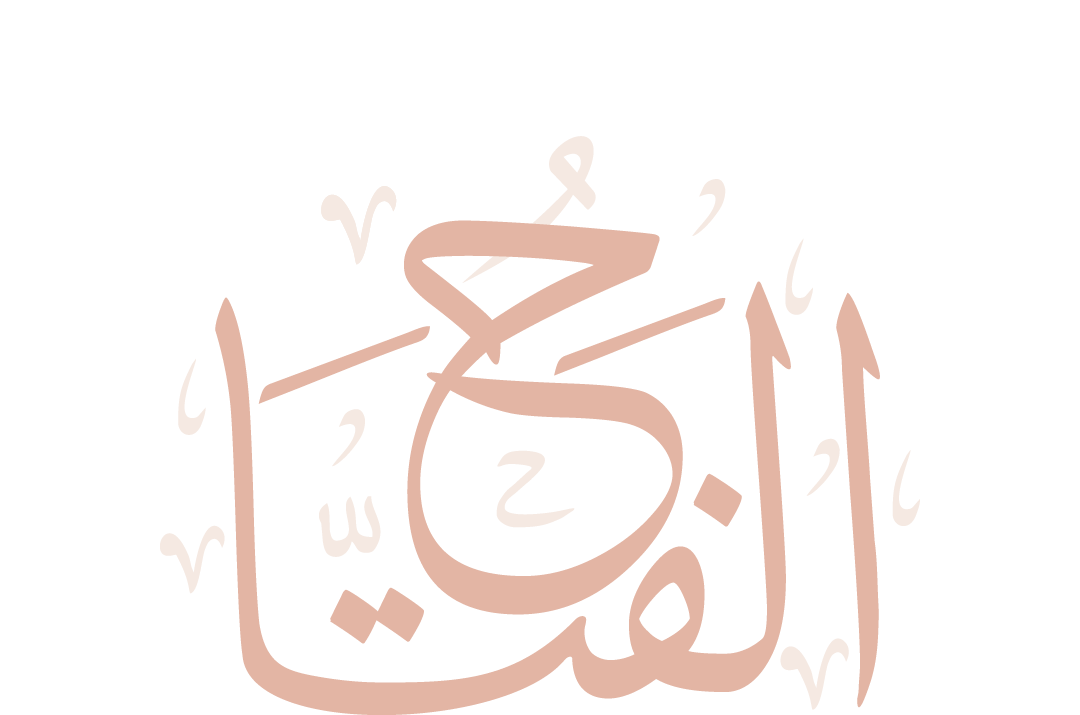
Al-Fattah
The Opener
Al-Fattah (ٱلْفَتَّاحُ) is one of the 99 Names of Allah and means “The Opener.” It comes from the Arabic root Fa-Ta-Ha (ف-ت-ح), which conveys the meaning of opening, judging, and granting victory. This beautiful name reveals a dimension of who Allah is — inviting every believer to know, reflect upon, and draw closer to their Creator.
قُلۡ يَجۡمَعُ بَيۡنَنَا رَبُّنَا ثُمَّ يَفۡتَحُ بَيۡنَنَا بِٱلۡحَقِّ وَهُوَ ٱلۡفَتَّاحُ ٱلۡعَلِيمُ
“Say, ‘Our Lord will bring us together; then He will judge between us in truth. And He is the Knowing Judge.'”
Meaning and Root of Al-Fattah
The name Al-Fattah comes from the Arabic root Fa-Ta-Ha (ف-ت-ح), which carries the meaning of opening, judging, and granting victory. When applied to Allah, Al-Fattah describes an attribute that is absolute and perfect — beyond any comparison with created things.
Unlike human qualities that are always limited and imperfect, Allah’s attribute of Al-Fattah is infinite and eternal. It has no beginning and no end, no weakness and no interruption. This is what makes the 99 Names of Allah so powerful — each one describes a perfection that belongs to Allah alone.
Scholars of Islamic theology explain that understanding this name deepens a believer’s relationship with Allah. It is not merely a label; it is a doorway into knowing who Allah is, how He relates to His creation, and what He expects from those who worship Him.
Al-Fattah in the Quran
The name Al-Fattah and its related forms appear throughout the Quran, affirming Allah’s attribute in various contexts. Each mention serves as a reminder to the believers of who their Lord truly is and what He is capable of.
The consistent mention of this name across different surahs — from the earliest Makkan revelations to the later Madinan chapters — shows that this attribute of Allah was relevant to every stage of the Prophet’s mission and every circumstance the Muslim community faced.
مَّا يَفۡتَحِ ٱللَّهُ لِلنَّاسِ مِن رَّحۡمَةٍ فَلَا مُمۡسِكَ لَهَا
“Whatever mercy Allah grants to people, none can withhold it.”
Understanding how this name appears in the Quran helps believers see the bigger picture of Allah’s relationship with creation. It is not an isolated concept but part of the interconnected tapestry of divine names that together describe the Creator.
The Significance of Al-Fattah
The attribute described by Al-Fattah has profound implications for how Muslims understand Allah’s relationship with the world. It tells us something essential about how He governs, how He interacts with His creation, and how His will shapes everything around us.
Whatever mercy Allah opens for people none can withhold
For the believer, this understanding brings both comfort and accountability. Comfort, because it means that the universe is governed by a Lord whose attributes are perfect. And accountability, because it means that nothing escapes His knowledge, His power, or His judgement.
Allah as Al-Fattah in Creation
When we reflect on Al-Fattah in the context of Allah’s relationship with creation, we begin to see signs of this attribute everywhere — in the natural world, in human history, and in our own personal lives. Every provision, every test, and every blessing carries the fingerprint of the divine name.
And He is the Knowing Judge
The Prophet Muhammad (pbuh) taught his companions to be conscious of Allah’s names in their daily lives. By learning and reflecting on Al-Fattah, Muslims develop a deeper awareness of their Creator — an awareness that transforms how they pray, how they make decisions, and how they treat others.
How Believers Can Reflect Al-Fattah
Understanding that Allah is Al-Fattah calls believers to embody a reflection of this attribute in their own lives. While no human can match the perfection of any divine attribute, Islam teaches that striving to mirror these qualities — in the limited way that creation can — is a path to spiritual growth and closeness to Allah.
Living with an awareness of Al-Fattah transforms a Muslim’s daily life. It shapes how they worship, how they interact with others, and how they respond to both blessings and trials. This awareness becomes a source of strength, gratitude, and humility — qualities that define the character of a true believer.
As we journey through the 99 Names of Allah, Al-Fattah stands as a powerful reminder of who Allah is. From Al-Malik (The Sovereign), Al-Mu’min (The Granter of Security), Ar-Raheem (The Most Merciful), every name reveals a facet of His majesty — and Al-Fattah adds to this tapestry a dimension that no believer should overlook.
Head over to our YouTube, Instagram, Facebook and LinkedIn for inspiring content on Al-Fattah and the 99 Names of Allah.
Frequently Asked Questions
Al-Fattah (ٱلْفَتَّاحُ) means “The Opener.” It comes from the Arabic root Fa-Ta-Ha (ف-ت-ح), which conveys opening, judging, and granting victory. It is one of the 99 Names of Allah and describes an attribute that belongs to Allah in its most perfect and absolute form.
The name Al-Fattah and its related forms appear in multiple places across the Quran. A key mention is in Surah Fatir (35:2). The Quran uses this name to remind believers of Allah’s perfect attributes and to strengthen their faith and trust in Him.
For Muslims, understanding Al-Fattah deepens their relationship with Allah. It shapes how they worship, how they make supplication, and how they view the world around them. Knowing this name helps believers develop trust in Allah’s wisdom and strengthens their faith during times of ease and difficulty.
In Islamic naming tradition, the names of Allah with the definite article (“Al-” or “Ar-“) are generally reserved for Allah alone. However, a person can be named Abd Al-Fattah, meaning “Servant of The Opener,” which is a beautiful and permissible name in Islam.
The 99 Names of Allah are interconnected — each name illuminates aspects of the others. Al-Fattah is often mentioned alongside complementary attributes in the Quran, showing how Allah’s qualities work together in perfect harmony to govern creation, guide humanity, and bestow mercy.