The Quran Says About Justice and Goodness
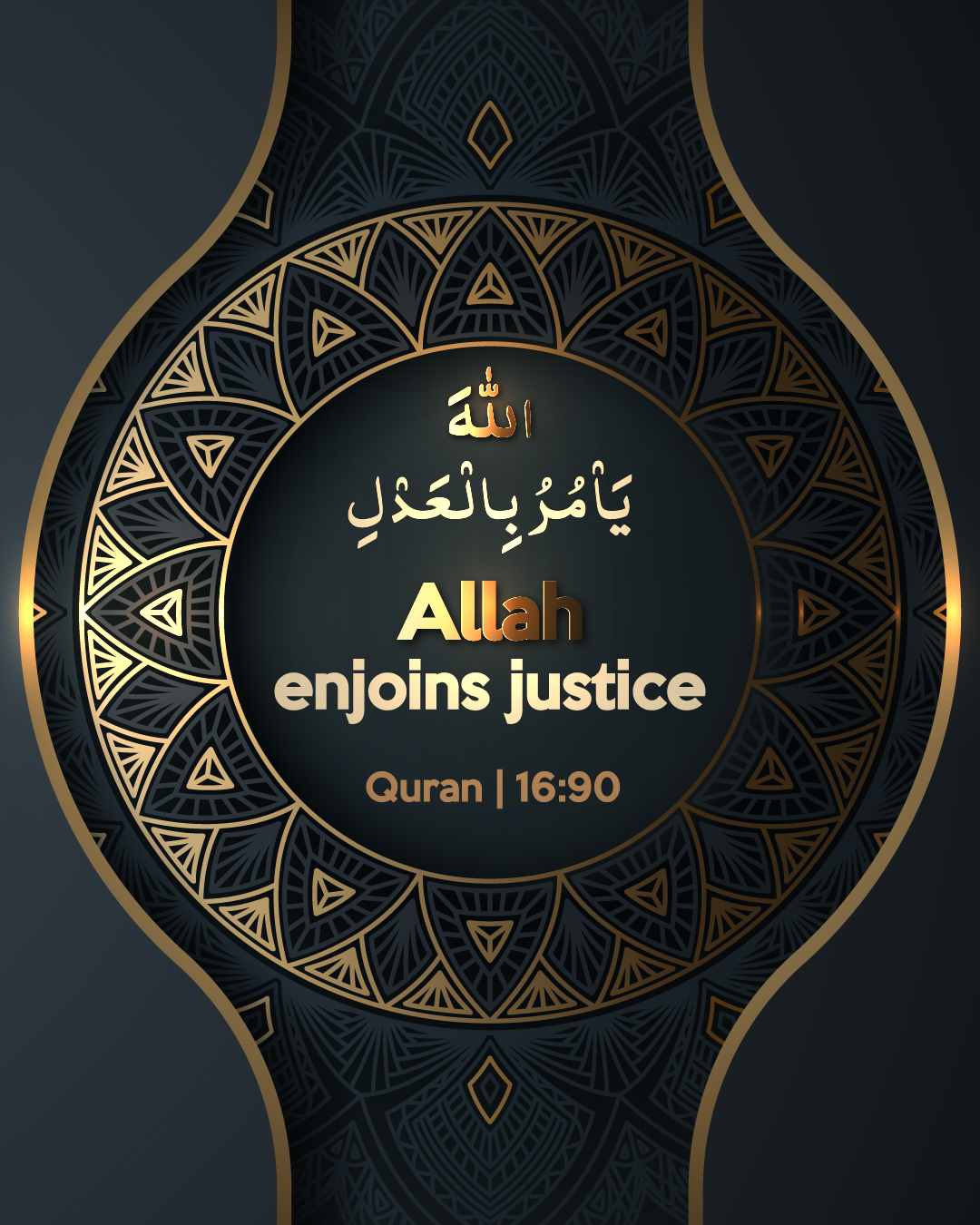
اِنَّ اللّٰہَ یَاۡمُرُ بِالۡعَدۡلِ وَالۡاِحۡسَانِ وَاِیۡتَآیِٔ ذِی الۡقُرۡبٰی وَیَنۡہٰی عَنِ الۡفَحۡشَآءِ وَالۡمُنۡکَرِ وَالۡبَغۡیِ ۚ یَعِظُکُمۡ لَعَلَّکُمۡ تَذَکَّرُوۡنَ ﴿۹۰
“Indeed, Allah enjoins justice, excellence in goodness, and giving to relatives, and He forbids immorality, wrongdoing, and oppression. He advises you so that you may take heed.”
This verse from Surah An-Nahl is widely regarded as one of the most comprehensive verses in the entire Quran. In a single statement, Allah commands three things and forbids three things, covering virtually every aspect of moral and social conduct. He enjoins justice, excellence in goodness, and generosity towards relatives, while forbidding immorality, wrongdoing, and oppression. Many scholars have described this verse as a complete moral code for humanity. For anyone seeking to understand what Islam stands for in terms of ethics, values, and social responsibility, this verse provides the most concise and powerful summary imaginable.
The three commands work together to build a society rooted in fairness and compassion. Justice means giving everyone their due right, treating people equally, and standing for the truth even when it is difficult. Excellence in goodness goes a step further, calling the believer not just to be fair but to go above and beyond in how they treat others, responding to harshness with patience and to unkindness with generosity. And giving to relatives ensures that the bonds of family remain strong, reminding the believer that charity begins at home. On the other side, the three prohibitions protect society from destruction. Immorality corrupts individuals, wrongdoing harms communities, and oppression destroys entire nations. Allah forbids all three because each one, if left unchecked, eats away at the fabric of a healthy society. The verse closes by reminding us that this is not merely a set of rules but sincere advice from Allah Himself, given so that we may reflect and take heed.
Allah says in Surah An-Nisaa of the Quran, “O you who believe, be persistently standing firm in justice, as witnesses to Allah, even if it be against yourselves, your parents, or your relatives” (Quran 4:135), showing that justice in Islam is not selective but absolute. As Al-Adl, Allah is the embodiment of perfect justice, and He loves to see that justice carried out through the actions of His servants. When a believer lives by this verse, they become a source of goodness in every circle they enter, reflecting the values that Allah has commanded for all of humanity.