
What Is a Muslim Shower and Why Is It Used?
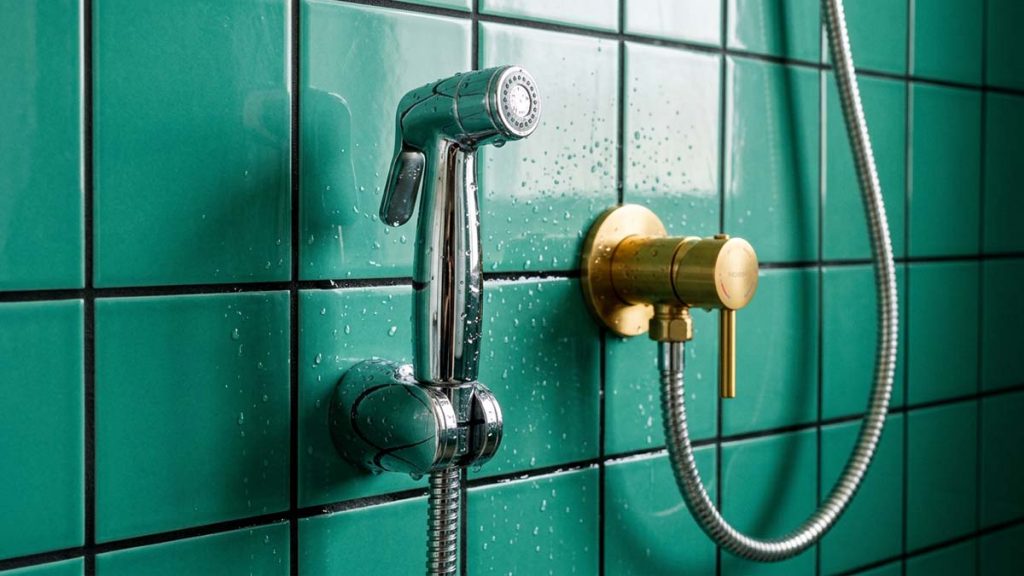
A Muslim shower is a handheld water sprayer, fitted beside the toilet, that is used to clean oneself with water after relieving the body. Often called a bidet sprayer or shattaf, it has become a familiar fixture in Muslim homes around the world, and for good reason. Cleanliness holds a high and honoured place in Islam, and washing with water is the way the Prophet Muhammad (pbuh) and the early Muslims kept themselves pure.
Simple, hygienic and gentle, the Muslim shower makes that washing easy and comfortable in any bathroom. It is closely tied to the practice of istinja, the cleaning of the private parts with water after using the toilet, which Islam treats as an important part of personal purity. In this guide we explain what a Muslim shower is, why it is so loved, the place of purity in Islam, cleaning with water, how the sprayer works, its link to worship, the hygiene benefits and how to choose and fit one.
فِيهِ رِجَالٌ يُحِبُّونَ أَن يَتَطَهَّرُوا ۚ وَاللَّهُ يُحِبُّ الْمُطَّهِّرِينَ
“In it are men who love to purify themselves, and Allah loves those who purify themselves.”
What Is a Muslim Shower?
A Muslim shower is a small handheld sprayer connected to the water supply, mounted on the wall next to the toilet. A gentle squeeze of its trigger releases a controlled jet of water, allowing a person to clean themselves thoroughly and comfortably after using the toilet, without relying on paper alone.
It is known by several names, including bidet sprayer, shattaf, health faucet and bum gun, but the idea behind each is the same. Where a built-in bidet takes up space and plumbing, this neat attachment fits almost any bathroom, which is why it has spread so widely far beyond Muslim households.
For Muslims, though, the Muslim shower is more than a modern convenience. It makes it easy to follow the prophetic practice of cleaning with water, turning an everyday need into a simple act of obedience and care for one’s own purity.
6 Reasons It Is Loved
The Muslim shower owes its popularity to a blend of faith, hygiene and sheer practicality. Here are six reasons it is so loved in Muslim homes.
- It makes cleaning with water simple and thorough
- It follows the prophetic practice of istinja
- It is more hygienic than using paper alone
- It is gentle, soothing and kind to the skin
- It saves paper and is better for the environment
- The Muslim shower fits almost any bathroom with ease
The High Place of Purity in Islam

Purity, known as taharah, sits at the very heart of Islamic life. A Muslim cannot perform the daily prayers without being in a state of cleanliness, which is why washing and purification are woven into the rhythm of every day. You can explore this care for cleanliness further in our Inspired by the Prophet section.
The Prophet Muhammad (pbuh) taught that purification is half of faith, lifting cleanliness from a mere habit to an act of worship. Keeping the body, clothing and surroundings clean is therefore not optional refinement but part of how a believer honours their Lord.
Seen in this light, a device that helps a person stay clean takes on real meaning. It quietly supports one of the foundations of the faith, making purity easier to maintain throughout the busy course of a day.
Purification of body and of heart is half of all faith and the key to prayer
Cleaning With Water After the Toilet
The practice of istinja, cleaning the private parts with water after using the toilet, is well established in Islam. The Prophet Muhammad (pbuh) used water for this purpose, and the early Muslims were known for their careful attention to it, treating thorough cleanliness as part of their faith.
Water cleans far more completely than dry paper, removing all trace of impurity and leaving the body genuinely fresh. This thoroughness matters in Islam, where lingering impurity can affect the validity of prayer, so washing properly is taken seriously rather than treated lightly.
A Muslim shower makes this simple and dignified in any modern bathroom. It turns a practice that once needed a jug or vessel of water into something effortless, helping every Muslim keep this gentle sunnah alive with ease.
Guard yourself well from every trace of impurity for cleanliness brings light to the heart of the believer
How the Muslim Shower Works
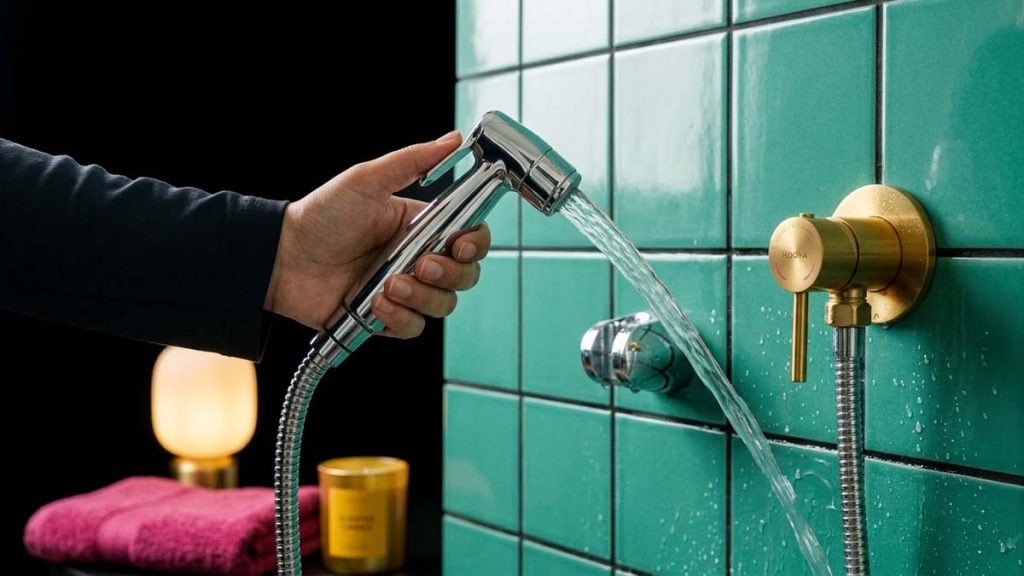
A Muslim shower could hardly be simpler to use. It connects to the water line beneath or behind the toilet, usually through a small valve, and hangs neatly on a wall holder within easy reach. When needed, you simply pick it up, aim and squeeze the trigger to release a steady stream of water.
The pressure is easily controlled by how firmly the trigger is pressed, giving a gentle or stronger flow as preferred. After cleaning, the water is released, the trigger let go and the sprayer returned to its holder, ready for next time. Many models include a shut-off valve so the line stays pressurised safely.
Because everything is handheld and adjustable, the Muslim shower offers far more control than a fixed bidet. This makes the whole process quick, comfortable and easy for people of all ages to manage on their own.
A good Muslim shower also gives a sense of control and comfort that fixed fittings cannot match. Because the Muslim shower is held in the hand and aimed precisely, it suits adults and children alike and adapts to whatever each person finds most comfortable.
Cleanliness and Worship

In Islam, outward cleanliness and inward devotion go hand in hand. Before each prayer a Muslim performs wudu, the ritual washing, and the body must be free of impurity for that prayer to be valid, a theme reflected in our collection of sayings about prayer.
Cleaning properly after the toilet is part of arriving at prayer in a pure state. A person who has washed well can make wudu and stand before their Lord with confidence, untroubled by any doubt about their cleanliness.
This is why the Muslim shower connects, in its own quiet way, to worship itself. It helps a believer remain ready to pray at any moment, presenting themselves clean and pure before Allah, Al-Quddus, the Most Pure.
And your garments keep ever clean for purity is dear to your Lord in worship and in life
Hygiene, Health and Comfort
Beyond its spiritual value, washing with water brings clear hygiene and comfort benefits that anyone can appreciate. Water cleans more completely than paper, removing bacteria and residue rather than simply wiping, which leaves the skin genuinely fresh and reduces irritation.
Many people with sensitive skin or certain health conditions find it far gentler and more soothing than dry paper, which can chafe and irritate. It is also kinder to the environment, cutting down sharply on the amount of toilet paper a household uses over a year.
For all these reasons, bidet sprayers have grown popular well beyond the Muslim world, embraced by anyone who values better hygiene. What Islam encouraged centuries ago is increasingly seen today as simply the cleaner, healthier way.
Washing with water after using the toilet removes far more than paper alone and soothes the skin gently
Choosing and Fitting One

Fitting a Muslim shower is usually quick and inexpensive. Most kits include the sprayer head, a flexible hose, a wall holder and a small valve that connects to the toilet’s water supply, and many can be installed without a plumber in a matter of minutes. A good wudu bottle makes a useful companion for travel.
When choosing one, look for a sturdy metal or quality plastic head, a durable hose and a trigger that feels comfortable to press. A built-in shut-off valve is well worth having, as it helps prevent drips and keeps the pressure steady and safe.
Many households end up fitting a Muslim shower in every bathroom once they have tried one, so used do they become to its comfort. A second Muslim shower for a guest bathroom is inexpensive and lets visitors enjoy the same cleanliness.
Once fitted, the Muslim shower needs little care beyond an occasional wipe and a check of the connections. For a small outlay it brings lasting cleanliness and comfort, making it one of the simplest and most rewarding additions to a Muslim home.
Cleanliness is such a beautiful part of our faith, and we share more on purity and everyday sunnahs across our channels. Find us on YouTube, Instagram and LinkedIn.
Frequently Asked Questions
A Muslim shower is a handheld bidet sprayer, also called a shattaf, fitted beside the toilet. It releases a controlled jet of water for cleaning oneself after using the toilet, following the Islamic practice of washing with water.
Cleanliness, or taharah, is central to Islam, and a Muslim must be pure to pray. The Prophet (pbuh) cleaned with water after the toilet, a practice known as istinja, which water accomplishes more thoroughly than paper.
Istinja is the cleaning of the private parts with water after using the toilet. It is an established part of Islamic personal purity, ensuring the body is free of impurity before performing wudu and prayer.
Washing with water cleans more completely than wiping with dry paper, removing residue and bacteria and leaving the skin fresher. Many people also find it gentler on sensitive skin and kinder to the environment.
Cleaning with water after the toilet follows the practice of the Prophet (pbuh), who used water for istinja. The sprayer is simply a modern, convenient way to carry out that established sunnah of cleanliness.
Most kits include a sprayer, hose, wall holder and a valve that connects to the toilet’s water supply. Many can be fitted in minutes without a plumber, and a shut-off valve helps prevent drips.