
What Is Bakhoor and Why Do Muslims Burn It?
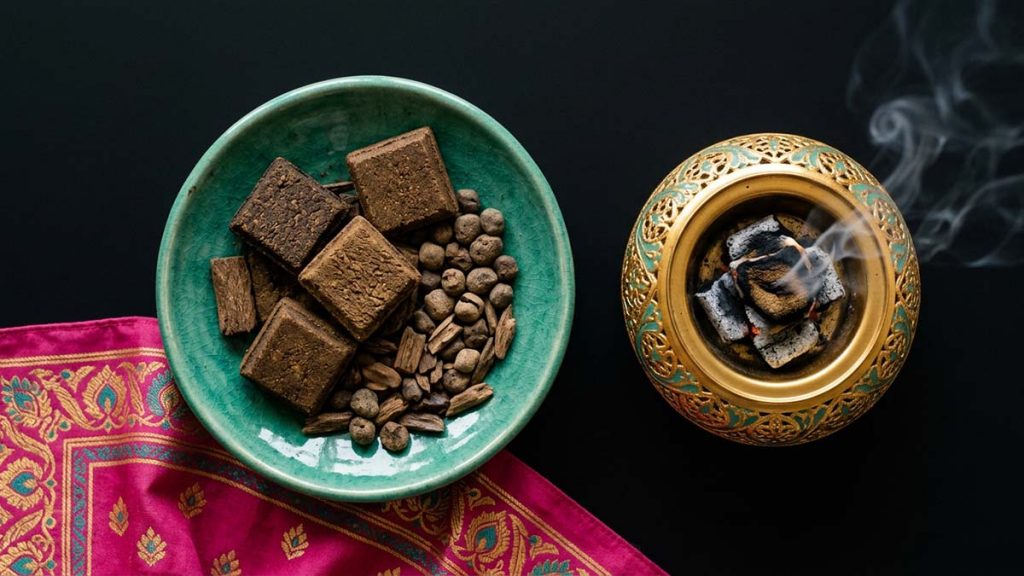
Bakhoor is the fragrant incense that fills so many Muslim homes with a warm, welcoming scent. Made from natural wood chips soaked in fragrant oils and resins, it is gently burned to release a beautiful aroma that perfumes the air, the clothes and the gathering. More than decoration, it is a cherished gesture of hospitality and care rooted in a love of cleanliness and good scent.
Warm, sweet and unmistakable, bakhoor is especially loved for welcoming guests, marking special occasions and preparing the home for the Friday gathering. In this guide we explain what bakhoor is, why it fills Muslim homes, fragrance and hospitality in Islam, its tradition of welcome, how it relates to oud and attar, when Muslims burn it and how to use and store it safely.
إِنَّ أَطْيَبَ طِيبِكُمُ الْمِسْكُ
“Indeed the finest of your fragrances is musk.”
What Is Bakhoor?
Bakhoor refers to fragrant wood chips, usually agarwood or other woods, that have been soaked or blended with sweet-smelling oils, resins, musk and other natural ingredients. When gently heated over charcoal or an electric burner, they release fragrant smoke that scents the home, clothing and hair with a rich, lingering aroma. It belongs to the same family of fragrance as oud.
The blends vary widely, from light and floral to deep and smoky, and many families have a favourite recipe or brand. A small piece is all that is needed, filling a whole room with scent within moments and leaving a warm trail that can last for hours.
For Muslims it is far more than a pleasant smell. Burning it is a gesture of welcome, generosity and care, turning an ordinary home into a warm and inviting space for family and guests alike.
The tradition is especially strong across the Arabian Peninsula, yet it is loved by Muslims everywhere, and many homes are never without a small box of it tucked away ready for visitors. For countless families the scent is inseparable from the very feeling of home.
A sweet fragrance in the home offered with a smile welcomes the arriving guest and gladdens the heart
6 Reasons It Fills Muslim Homes
The love for this fragrant incense is shared across the Muslim world. Here are six reasons it fills so many homes.
- It fills the home with a warm, welcoming scent
- It is a beautiful gesture of hospitality to guests
- It prepares the home for gatherings and the Friday prayer
- A small piece scents a whole room for hours
- It reflects the love of good fragrance in the Sunnah
- It comes in countless rich and natural blends
Honour your guest with warmth and welcome for hospitality is part of faith and a beloved sunnah
Fragrance and Hospitality in Islam
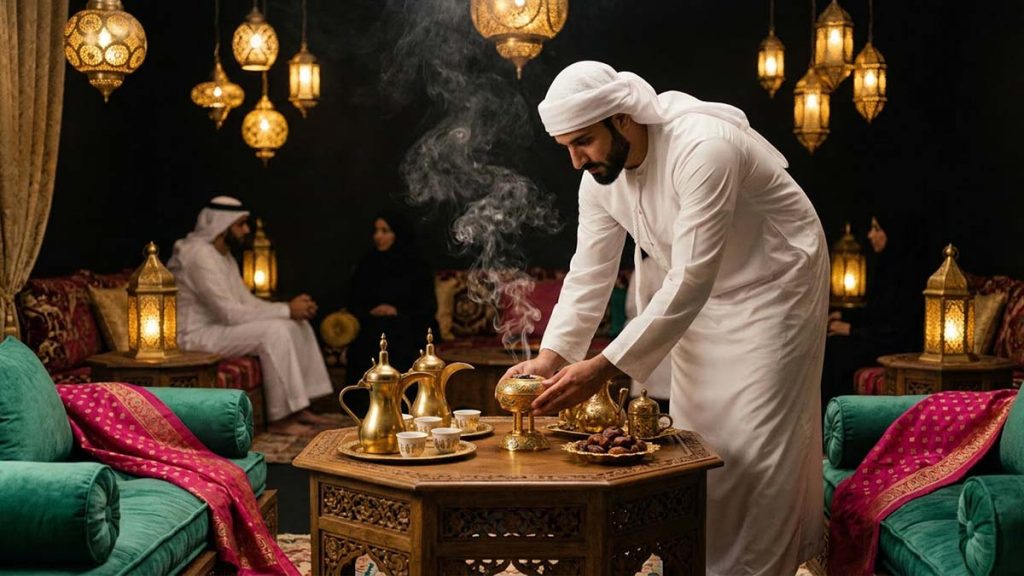
Hospitality holds a high place in Islam, and a beautiful scent is part of welcoming others well. The Prophet Muhammad (pbuh) loved good fragrance and taught that honouring the guest is a sign of faith, so perfuming the home for visitors sits naturally within his example, explored in our Inspired by the Prophet section.
Greeting guests with a warm, fragrant home tells them they are valued and welcome before a single word is spoken. It reflects the care, cleanliness and generosity that the faith encourages in every host.
In this way, burning fragrant incense becomes a small act of worship as well as warmth. It honours the guest, beautifies the gathering and revives the prophetic love of a clean and pleasant scent.
A fragrant welcome also softens the heart and sets a gentle, joyful mood for the gathering, helping guests feel at ease the moment they step through the door. In this way a simple, beautiful scent becomes part of the warmth that Islam asks every host to offer.
Whoever believes in Allah and the Last Day should honour his guest generously with kindness and care
A Tradition of Welcome
Across the Gulf and far beyond, passing a burner of fragrant incense among guests is a cherished ritual of welcome. The host moves it around the gathering so that everyone may catch the scent in their clothes and hair, a gesture that often marks the warm close of a visit.
This custom turns fragrance into a shared experience rather than a private one. It binds people together in hospitality and leaves guests carrying a little of the home’s warmth with them as they go.
In many families the host carries the burner from guest to guest, and it is considered a kind and gracious gesture to lean in and let the fragrant smoke settle into one’s clothing. Children grow up surrounded by this ritual, learning the art of hospitality through the simple, beautiful language of scent.
Bakhoor is made from wood chips prepared with patience soaked in fragrant oils and resins then burned over gentle heat
Oud, Attar and Incense
Bakhoor belongs to a rich family of Islamic fragrance alongside oud and attar. While oud is the precious agarwood and attar is a perfume oil worn on the skin, bakhoor is the scented blend burned to perfume the air of the home.
Many households enjoy all three, wearing attar, keeping oud for special moments and burning bakhoor to welcome guests. Together they form the layered, beautiful world of scent that is so closely tied to Muslim hospitality and daily life.
Choosing between them is rarely necessary, since each plays its own role through the day. A light attar might be worn to work, oud reserved for a special evening, and bakhoor lit just before guests arrive, filling the home with a warm and welcoming aroma.
When Muslims Burn It
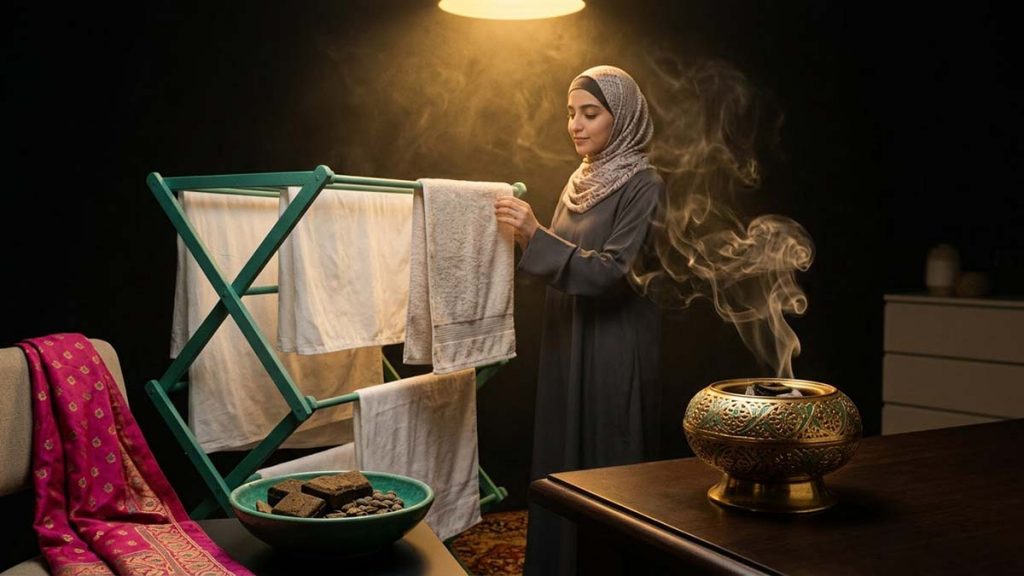
There are many beautiful moments for it. Bakhoor is burned to welcome guests, on Fridays and the two Eids, after cleaning the home, on happy occasions such as weddings, and simply to refresh the air and lift the mood with a pleasant scent before the Friday gathering.
Its smoke is also used to scent clothes and fabrics, leaving a warm fragrance that lingers through the day. For many, the smell of bakhoor is tied to the happiest memories of family, faith and togetherness.
The righteous will drink in the gardens of bliss from a cup scented with camphor a reward from their Lord
How to Burn Bakhoor Safely
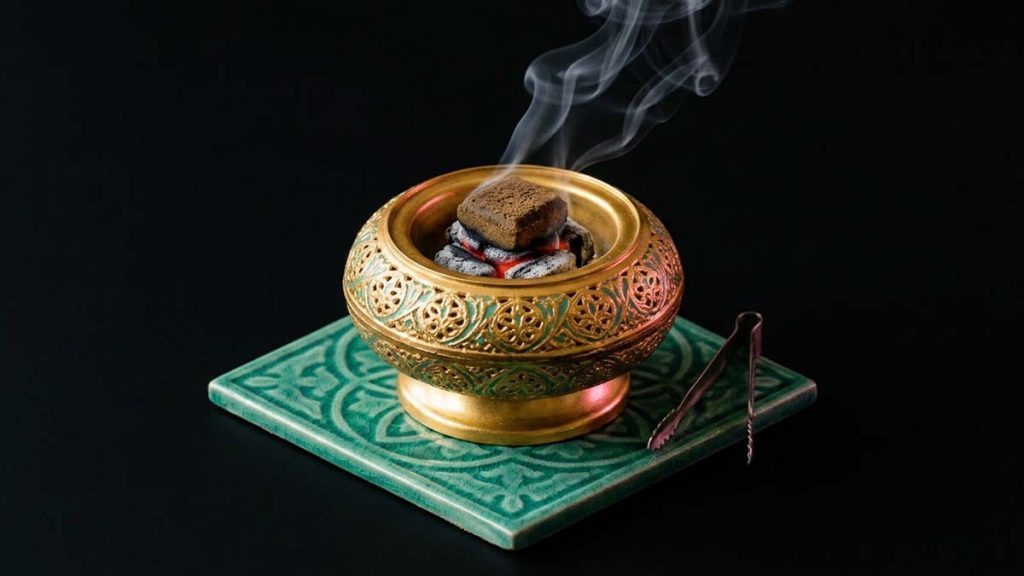
Burning bakhoor is simple with a little care. Light a piece of charcoal until it glows and ashes over, or warm an electric burner, then place a small piece of bakhoor on top and let the fragrant smoke rise. A tiny amount is enough to scent a whole room.
Safety always comes first. Use a proper heat-proof burner, place it on a stable surface, keep it well away from curtains and children, and never leave a lit burner unattended. Open a window a little to keep the air fresh and comfortable.
Use a touch of fragrance and clean your garments before the Friday gathering to honour the blessed day
Choosing and Storing Incense
Good bakhoor is judged by the quality of its ingredients and the richness of its scent. Blends range from light and floral to deep and oud-heavy, so it is worth sampling a few to find what suits your home and taste. A little of a fine blend is better than a lot of something synthetic.
Store it in a sealed container away from heat and moisture so the oils do not dry out, and it will keep its fragrance for a long time. Kept well, a small box of quality bakhoor lasts through many warm and welcoming gatherings.
It also makes a thoughtful and generous gift, often presented in a pretty box alongside a small burner, ready for a friend or relative to enjoy in their own home. A fine blend shared this way carries the spirit of hospitality from one household to another.

However you enjoy it, let its warmth be a reminder of the generosity and beauty Allah, Al-Karim, the Most Generous, loves to see between people. A fragrant, welcoming home is a small and beautiful way to honour both your guests and your faith, and to fill your everyday gatherings with a little more warmth and barakah.
The scent of bakhoor welcoming guests is one of the warmest traditions of all, and we share more about it online. Find us on YouTube, X and Pinterest.
Frequently Asked Questions
Bakhoor is fragrant incense made from wood chips soaked in scented oils, resins and musk. Gently burned over charcoal or an electric burner, it releases a warm aroma that perfumes the home, clothes and gatherings.
Muslims burn it to welcome guests, perfume the home and prepare for gatherings and the Friday prayer. It reflects the love of good fragrance in the Sunnah and the high place of hospitality in Islam.
Oud is the precious agarwood itself, while bakhoor is a prepared blend of wood chips soaked in fragrant oils, often containing oud, that is burned to scent the home rather than worn on the skin.
It is burned to welcome guests, on Fridays and the two Eids, at weddings and happy occasions, and simply to refresh the home. Its smoke is also used to scent clothes and fabrics.
Light charcoal until it glows or use an electric burner, then place a small piece on top. Use a heat-proof burner on a stable surface, keep it away from children and curtains, and never leave it unattended.
Keep it in a sealed container away from heat and moisture so the fragrant oils do not dry out. Stored well, a good blend keeps its rich scent for a long time.