
What Does Allahu Akbar Mean?
Allahu Akbar is one of the most sacred phrases in Islam — the declaration, made countless times a day, that Allah is greater than all things. It calls Muslims to prayer, opens each prayer, and rises in moments of awe and gratitude. But what does this phrase truly mean, where does it come from, and when is it said? This guide explains.
A Declaration of Allah’s Greatness
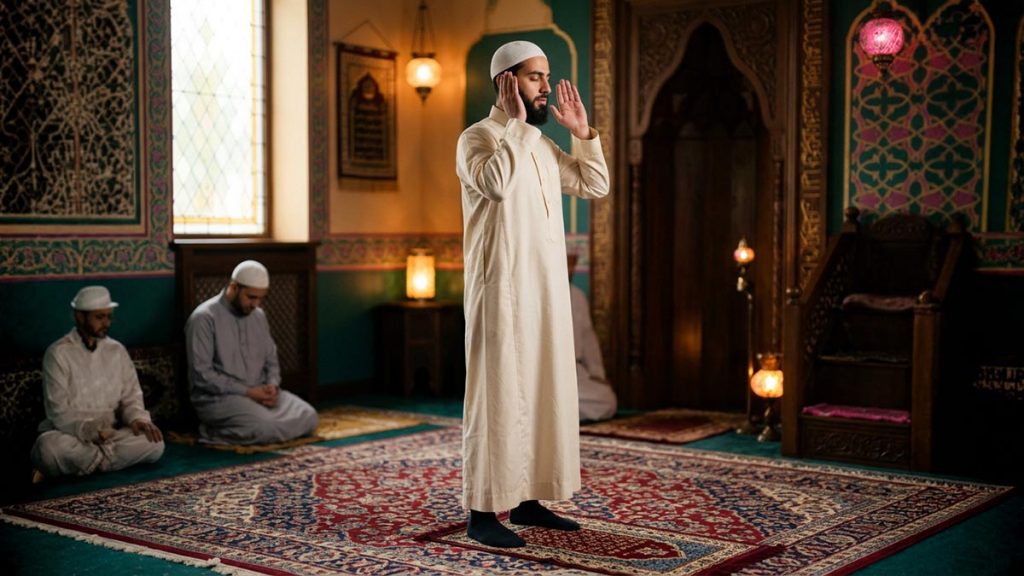
At its simplest, Allahu Akbar (اللَّهُ أَكْبَر) means “Allah is the Greatest” — or, more precisely, “Allah is greater.” It declares that Allah is greater than everything: every worry, every power, and every thing a person could fear or desire.
This phrase is called the takbir. To say it is to put the whole world in its place beneath the greatness of God — a reminder, in a single breath, that nothing and no one is greater than Allah.
It puts the whole world beneath the greatness of God — every worry, every power.
Breaking Down Allahu Akbar
To feel the full weight of the phrase, it helps to unpack it word by word:
- Allahu — اللَّهُ — “Allah,” the One God, the subject of the praise.
- Akbar — أَكْبَر — “greater” or “greatest,” from kabir, great — greater than all that exists.
Together the words lift Allah above all things — a declaration of the majesty named in His beautiful names like Al-Ali, the Most High.
Allahu is Allah, Akbar means greater than all.
The Heartbeat of Worship
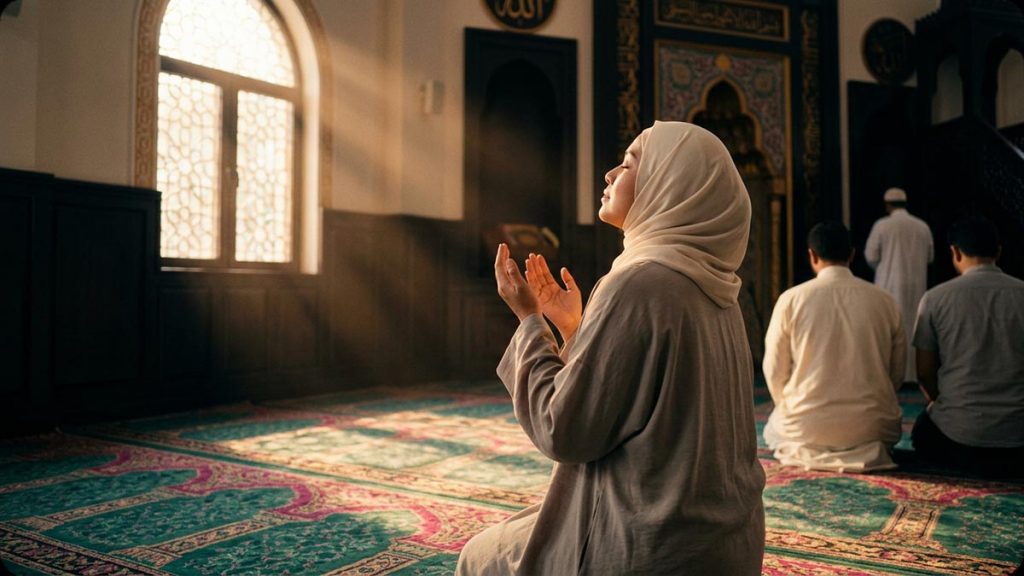
This phrase runs through the whole of Muslim worship. It is the call that opens the adhan, summoning believers to prayer, and the words with which every prayer begins, raising the hands to leave the world behind.
It marks each movement of the prayer, rises on the days of Eid in the takbirat, and echoes across the plains of Hajj. In moments of awe, danger, or gratitude, it bursts out naturally — a believer’s way of declaring that, whatever happens, Allah is greater, a truth celebrated in the takbir of Eid.
It opens the call to prayer and begins every prayer — the heartbeat of worship.
When Do Muslims Say Allahu Akbar?
The phrase belongs above all to worship. It is called out in the adhan, said to begin each prayer and with each of its movements, and repeated on the days of Eid and during the Hajj.
Beyond ritual, it rises whenever a believer is struck by the greatness of Allah — at a breathtaking sight, in a moment of joy or relief, or when facing something frightening. Wherever a Muslim wishes to declare that God is above all, this is the phrase they say.
Called in the adhan, in prayer, *and on the days of Eid*.
5 Sacred Moments Muslims Say Allahu Akbar
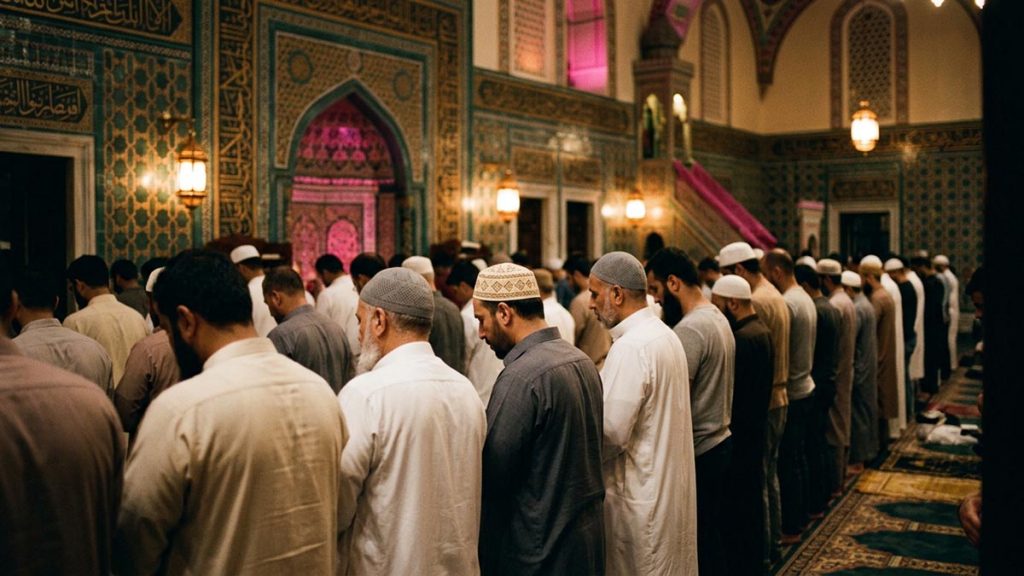
The takbir fills a believer’s worship. Here are five of the most important moments:
- In the call to prayer. The adhan opens by proclaiming Allah’s greatness across the air.
- To begin the prayer. Each prayer starts with the takbir, hands raised, leaving the world behind.
- With every movement in prayer. Bowing and prostrating, a worshipper marks each change with these words.
- On the days of Eid. The takbirat ring out in celebration, as in the takbir of eid.
- In moments of awe. At a wondrous sight or a great relief, the phrase bursts out in praise of Allah’s majesty.
In each of these moments the phrase does the same thing: it declares that Allah, above all else, is the Greatest.
To feel Allah is greatest is to fear nothing but Him.
Allahu Akbar and Related Phrases
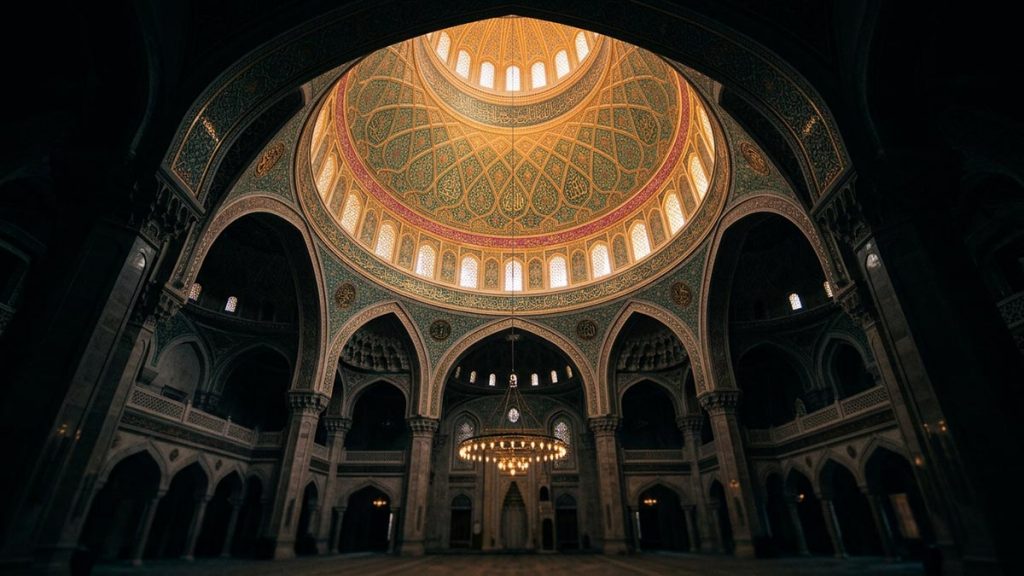
It is one of the great words of remembrance, alongside SubhanAllah, “glory be to Allah,” and Alhamdulillah, “all praise is due to Allah.” Together they form the heart of daily dhikr.
It sits close to the testimony of faith, La ilaha illallah, “there is no god but Allah” — both declaring the greatness and oneness of God.
Why This Phrase Matters
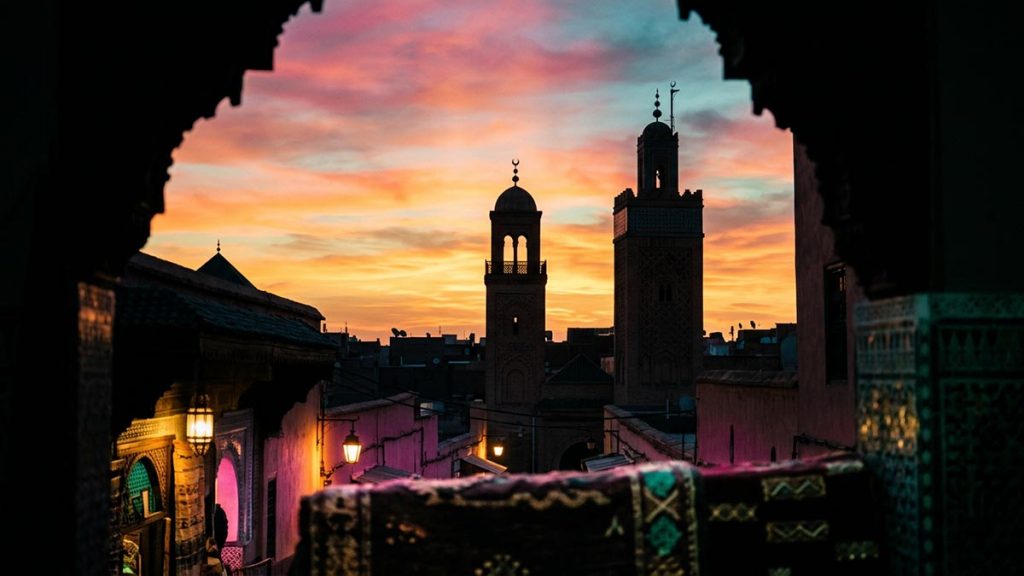
It is easy to let worries, people, or possessions loom large in the heart. Allahu Akbar cuts them down to size, declaring that Allah is greater than every one of them — and freeing the believer from fearing anything but Him.
In filling worship and daily life with these words, a Muslim keeps their sense of the greatness of God alive. To truly feel that Allah is greatest is to walk through life with courage, humility, and peace.
If your sense of Allah’s greatness grew as you read this, come and learn with us. Follow It’s About Islam on YouTube, Facebook and X for daily reminders, Quran reflections and the beautiful meanings behind the phrases every Muslim knows by heart.
It means “Allah is the Greatest,” or more precisely “Allah is greater” — greater than everything a person could fear, desire, or face. It is known as the takbir.
In the call to prayer, to begin each prayer and with its movements, on the days of Eid, during Hajj, and in moments of awe, joy, or difficulty — whenever declaring the greatness of Allah.
The takbir is the phrase Allahu Akbar itself, “Allah is the Greatest.” Saying it is called takbir, and the special repetitions on Eid are called the takbirat.
To begin the prayer, a worshipper raises their hands and says the takbir, declaring Allah’s greatness and leaving worldly thoughts behind. It also marks each movement of the prayer.
The Quran commands proclaiming the greatness of Allah, and the phrase grows directly from that. As the takbir, it was taught and practised by the Prophet (pbuh) in prayer and worship.