
Naming a Baby in Islam: Choosing a Beautiful Name
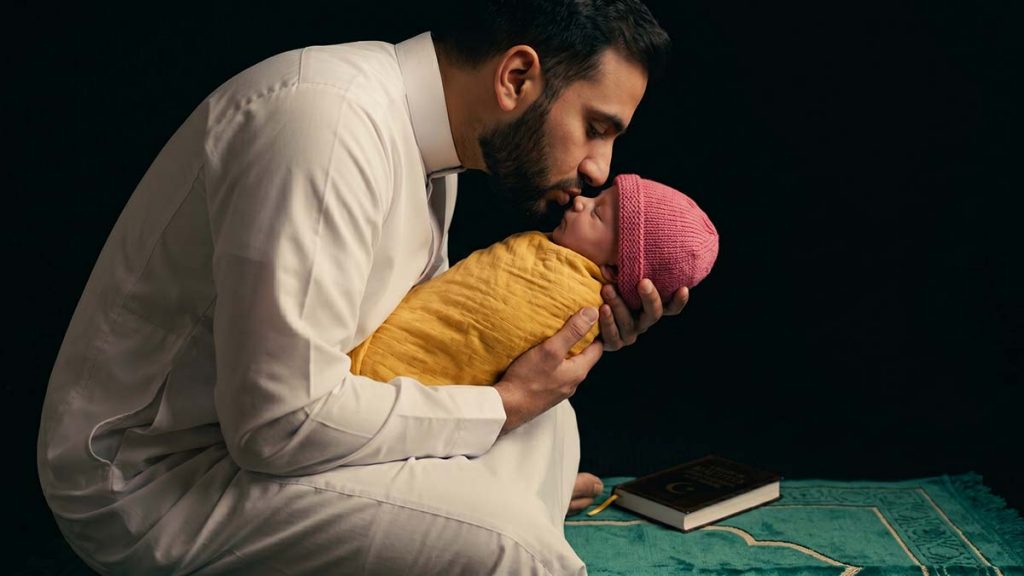
Naming a baby in Islam is one of the first and most cherished responsibilities a parent is given, for a name carries meaning, identity, and dua throughout a person’s whole life. Islam encourages choosing names that are beautiful in meaning and pleasing to Allah, names that will be a blessing for the child rather than a burden. From the names beloved to Allah to the etiquette taught by the Prophet (pbuh), the choice is treated with great care and love. In this guide we explore its importance, its etiquette, and the beautiful things every parent should know about choosing a good name for their child.
The Quran shows the honour of a good name in the story of Yahya, whom Allah Himself named and whose name He gave as glad tidings to his father.
يَٰزَكَرِيَّآ إِنَّا نُبَشِّرُكَ بِغُلَٰمٍ ٱسۡمُهُۥ يَحۡيَىٰ لَمۡ نَجۡعَل لَّهُۥ مِن قَبۡلُ سَمِيّٗا
“O Zakariya, We give you good tidings of a boy whose name will be Yahya; We have not assigned to any before him this name.”
What Is the Importance of Naming a Baby in Islam?
Naming a baby in Islam is regarded as a meaningful duty and a beautiful Sunnah, not a casual afterthought. A name is the first gift a parent gives their child, and it stays with them for life, shaping their identity and how they are addressed in this world and the next. For this reason Islam encourages parents to choose carefully and with love.
The choice is treated as part of a parent’s responsibility towards their child, alongside other Sunnahs of welcoming a newborn such as the Aqiqah and Tahnik. A good name carries good meaning and reflects the values the parents hope their child will embody, making it a quiet but lasting form of dua.
6 Beautiful Things to Know About Naming a Baby in Islam
To approach this responsibility well, here are six beautiful things to know about naming a baby in Islam:
- A name should carry a good and beautiful meaning.
- The names most beloved to Allah are those expressing servitude to Him.
- Names of the prophets and the righteous are encouraged.
- The child is named traditionally on the seventh day.
- Names with poor meanings should be avoided.
- A father can change a bad name to a better one.
The Honour of a Name in the Quran and Sunnah
The Quran itself shows the dignity of a good name. In Surah Maryam, Allah gives glad tidings of a son to the Prophet Zakariyya and tells him that the child’s name will be Yahya, a name Allah chose directly. The Prophet (pbuh) likewise taught the believers to choose good names and emphasised the meaning a name carries for the one who bears it.
O Zakariyya We give you good tidings of a boy named Yahya a name We have given to none before him
Why Naming a Baby in Islam Matters
Naming a baby in Islam matters because a name is far more than a label; it is a lifelong companion that shapes identity and carries meaning. The Prophet (pbuh) taught that people will be called by their names on the Day of Judgement, underlining how a name follows a person even into the next life. Choosing well is therefore a lasting kindness to the child.
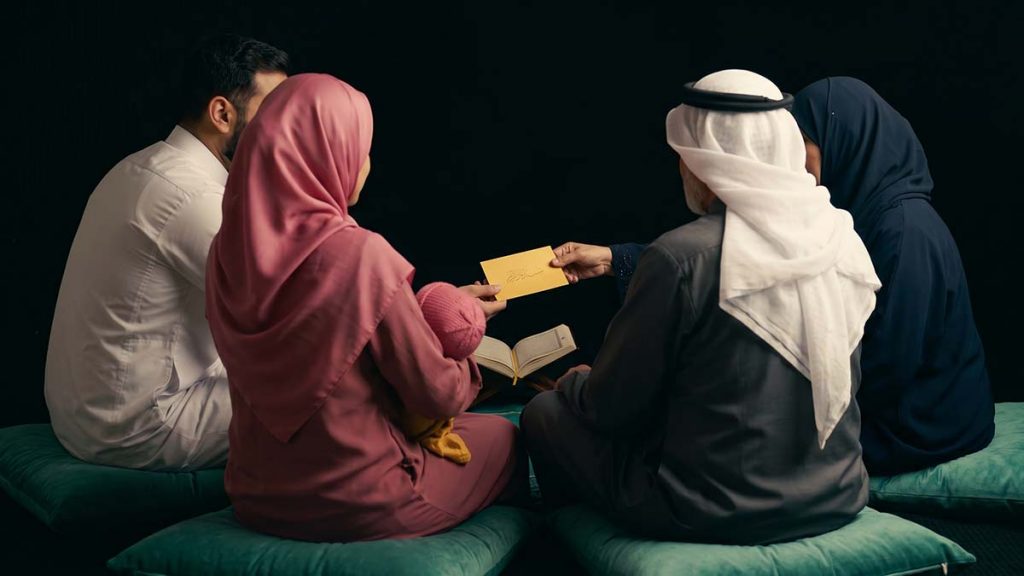
A good name can also be a source of dignity and encouragement throughout a person’s life, while a poor or mocking name can be a burden. By selecting a name with a beautiful meaning, parents give their child a gift that uplifts rather than weighs them down, reflecting the care that Islam shows for the bond between parents and children.
You will be called by your names on the Day of Judgement so choose good and beautiful names
The Names Most Beloved to Allah
The Prophet (pbuh) taught that the names most beloved to Allah are those that express servitude to Him, such as names meaning the servant of Allah or the servant of the Most Merciful. Names built on the beautiful names of Allah carry a noble meaning and a constant reminder of the child’s relationship with their Creator, making them a cherished choice for believing parents.
Naming After the Prophets and Righteous
It is also encouraged to name children after the prophets and the righteous, connecting them to noble examples of faith. Many parents choose the names of prophets such as Ibrahim, Musa, and Maryam, or of the righteous companions, hoping their child will be inspired by those who bore them. Such names carry both a beautiful meaning and a link to the heroes of the faith.
Names to Avoid
Just as good names are encouraged, Islam discourages names with poor or improper meanings. Names that carry arrogance, that ascribe servitude to anyone other than Allah, or that have ugly or mocking meanings are best avoided. The Prophet (pbuh) is known to have changed some names that had unpleasant meanings to better ones, teaching parents to be mindful of what a name conveys.
When to Name the Child
Traditionally, a child is named on the seventh day after birth, the same day on which the Aqiqah is offered and the head is shaved. However, scholars note that it is also permissible to name a child on the day of birth itself, as the Prophet (pbuh) did on occasion. The flexibility allows parents to choose the timing that suits them while keeping to the spirit of the Sunnah.
Common Mistakes to Avoid
To choose a name in keeping with the faith, it helps to avoid the following:
- Selecting a name with an unknown or improper meaning.
- Choosing names that express servitude to other than Allah.
- Picking a name purely for fashion without considering its meaning.
- Giving a name that may lead to mockery or difficulty for the child.
- Treating the choice carelessly rather than as a meaningful duty.
A Gift That Lasts a Lifetime
A name is among the most enduring gifts a parent can give. Chosen with care and love, it becomes a source of dignity, identity, and quiet dua that accompanies a child through every stage of life. Approaching the choice thoughtfully, with attention to meaning and the guidance of the Sunnah, is a beautiful way for parents to express their hopes and gratitude for their child.
The Names the Prophet Loved Most
The Prophet (pbuh) gave clear guidance on the names dearest to Allah, mentioning that the most beloved are those expressing servitude to Him. Names built upon this meaning carry a constant, quiet reminder of the child’s relationship with their Creator. By choosing such a name, parents give their child a lifelong connection to Allah woven into the very word by which they are called.
This guidance helps parents look beyond fashion and sound to the meaning a name carries. A name beloved to Allah is a treasure that uplifts the child and reflects the hopes their parents hold for a life of faith and devotion.
The most beloved of your names to Allah are those expressing servitude to Him such as the servant of Allah and the servant of the Most Merciful
A Name as a Lifelong Dua
A beautiful name is, in a sense, a continuous prayer for the child. Each time the name is spoken, its good meaning is repeated, surrounding the child with positive associations and quiet supplication throughout their life. A name that speaks of faith, virtue, or servitude to Allah becomes a gentle, lifelong reminder of the path the parents hope their child will walk.
Understanding a name in this way raises the choice from a simple decision to a meaningful act of love and hope. It is one of the first and most lasting ways a parent can express their dua for their child’s future.
A good name is a lasting prayer for the child repeated with goodness every time it is spoken
Lessons Naming a Baby in Islam Teaches Us
The care Islam shows in naming teaches the believer that words and meanings matter, that a name is a lifelong gift, and that even small choices can be acts of worship and love. It reminds us to seek what is good and beautiful for our children, to connect them to noble examples, and to begin their lives with thoughtfulness and gratitude to Allah.
Choosing a beautiful name for your little one? It’s About Islam shares short, meaningful reminders on naming, children, and the Sunnah of the Prophet (pbuh) you can share. Find us on YouTube, Facebook and X.
Frequently Asked Questions About Naming a Baby in Islam
A name is a lifelong gift that shapes a child’s identity and carries meaning in this world and the next. Islam encourages choosing names that are beautiful in meaning and pleasing to Allah.
The Prophet (pbuh) taught that the most beloved names are those expressing servitude to Allah, such as names meaning the servant of Allah or the servant of the Most Merciful.
A child is traditionally named on the seventh day after birth, alongside the Aqiqah, though it is also permissible to name the child on the day of birth itself.
Yes. Naming children after the prophets and the righteous is encouraged, connecting them to noble examples of faith and carrying a beautiful meaning.
Names with poor or improper meanings, those expressing servitude to other than Allah, and names that carry arrogance or may lead to mockery are best avoided.
Yes. The Prophet (pbuh) changed some names with unpleasant meanings to better ones, so a poor name can and should be changed to something beautiful and meaningful.
Choosing a Name with Care and Love
Naming a baby in Islam is a cherished responsibility and a lasting gift, for a good name carries meaning, dignity, and dua throughout a child’s life. By choosing names beautiful in meaning, connected to noble examples, and pleasing to Allah, parents honour both their child and the guidance of the Prophet (pbuh). May Allah bless every child with a good name and a life of righteousness.