
The Prophet Said About Acts of Compassion
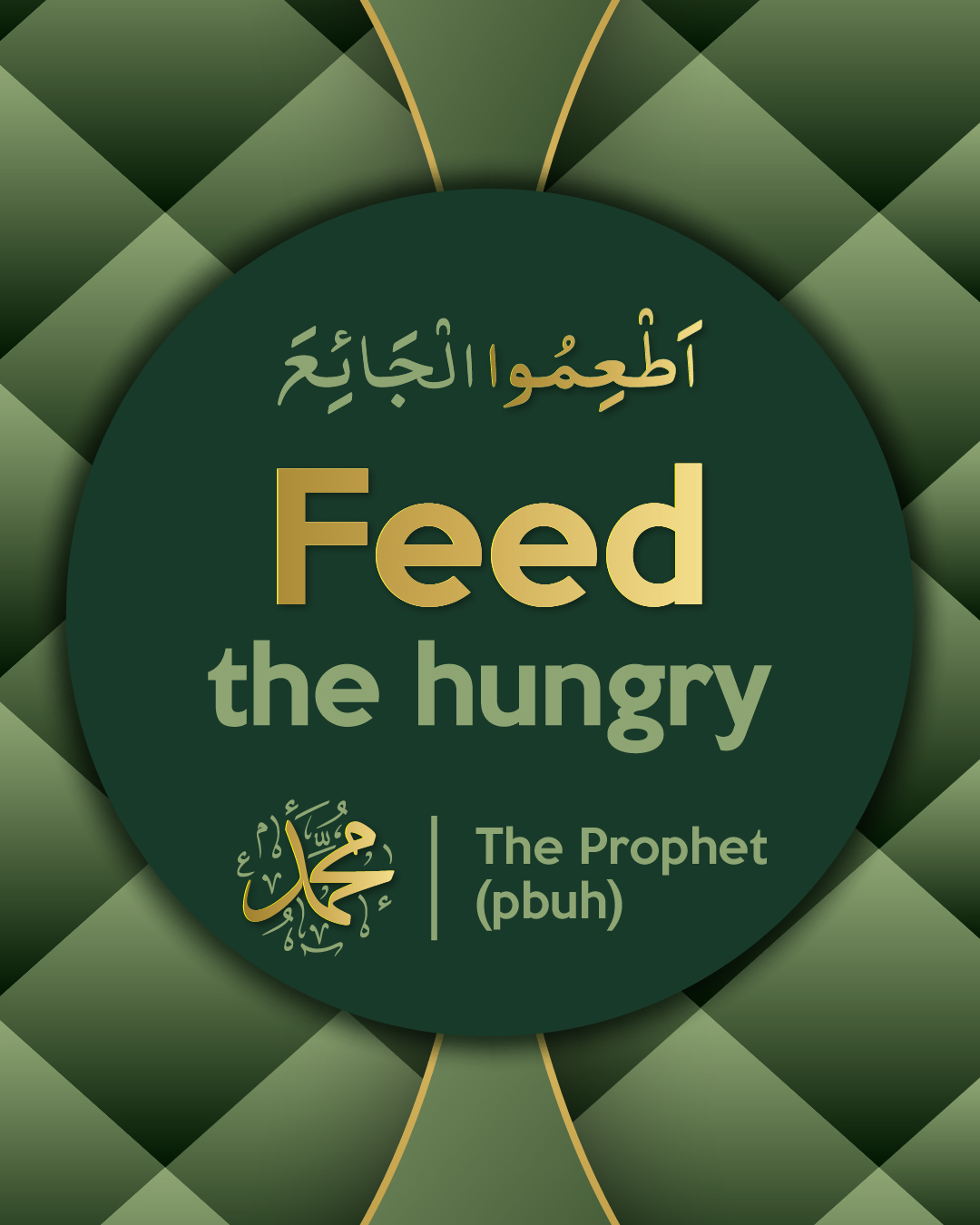
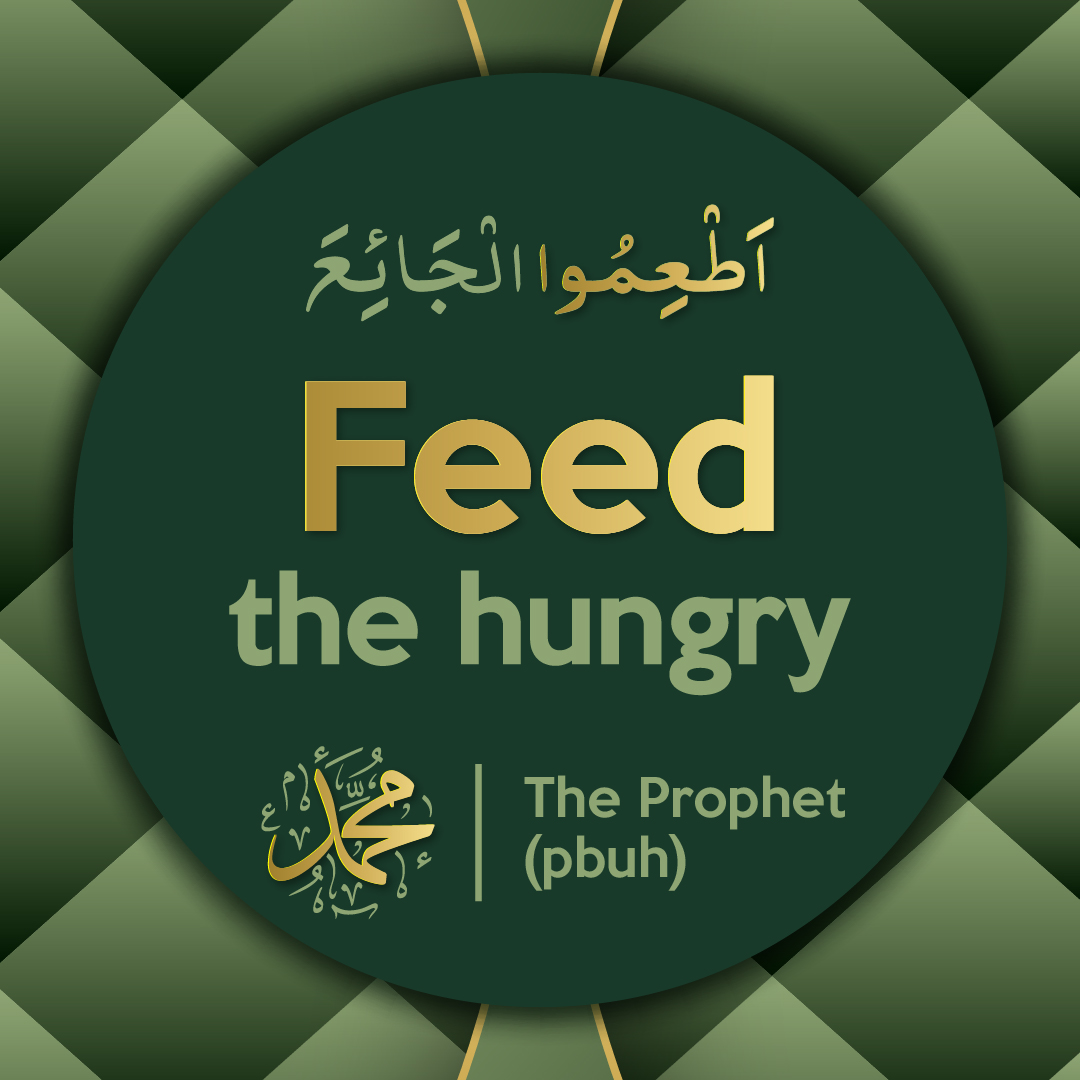
أَطْعِمُوا الْجَائِعَ، وَعُودُوا الْمَرِيضَ، وَفُكُّوا الْعَانِيَ
“Feed the hungry, visit the sick, and set free the captive.”
In this hadith, the Prophet (pbuh) highlights three acts of compassion that form the foundation of a caring and just Muslim community. Feeding the hungry, visiting the sick, and freeing the captive are not simply charitable suggestions but direct commands that reflect Islam’s deep concern for human welfare and dignity. These teachings show that a believer’s responsibility extends far beyond personal worship and into the lives of those who are suffering around them. For anyone seeking to understand how Islam promotes compassion and social justice, this hadith is one of the clearest and most powerful examples from the Prophet (pbuh).
Each of the three commands addresses a different form of human vulnerability. Feeding the hungry tackles the most basic of needs, reminding the believer that no one in their community should go without food while others have plenty. It is an act that requires awareness, generosity, and a willingness to look beyond one’s own comfort. Visiting the sick is an act of emotional and spiritual support that lifts the spirits of the unwell and reminds them they are not forgotten. The Prophet (pbuh) taught that visiting a sick person earns immense reward and that the visitor remains surrounded by Allah’s mercy throughout. And freeing the captive speaks to Islam’s broader commitment to justice and liberation, ensuring that no person is left to suffer in oppression when there are those who can help. Together, these three acts create a society built on empathy, where people actively look after one another and no one is left behind.
Allah says in Surah Al-Insaan of the Quran, “And they give food in spite of love for it to the needy, the orphan, and the captive” (Quran 76:8), praising those who sacrifice their own comfort to serve others. As Ar-Rahman, Allah’s mercy encompasses all of creation, and He loves to see that mercy reflected through the hands of His servants. When a believer feeds, visits, and frees others for the sake of Allah, they become a living expression of the compassion that Islam was sent to spread.