
Dua of Condolence
3 Things to Know About Comforting the Bereaved
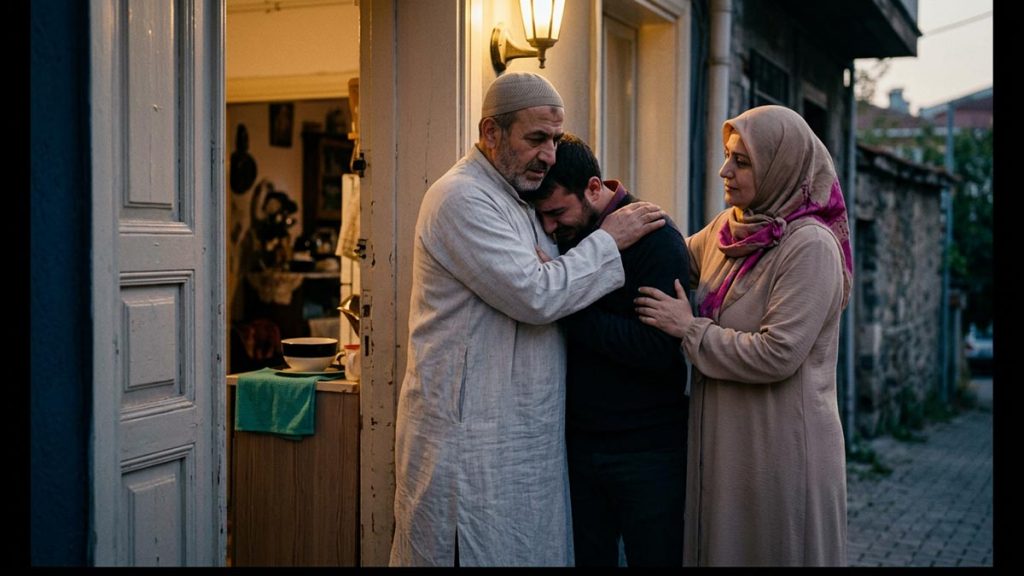
When grief enters a home, the believers gather around the bereaved to comfort them, and the Prophet Muhammad (pbuh) taught beautiful words of condolence that anchor the grieving heart in the decree and mercy of Allah. He once sent these words to comfort a family who had lost a child, reminding them that what Allah took was always His, what He gave was always His, and that everything has an appointed term with Him. The dua of condolence carries this comfort, consoling the bereaved with patience and trust in Allah.
إِنَّ لِلَّهِ مَا أَخَذَ وَلَهُ مَا أَعْطَى، وَكُلُّ شَيْءٍ عِنْدَهُ بِأَجَلٍ مُسَمًّى
Inna lillahi ma akhadh wa lahu ma a‘ta, wa kullu shay’in ‘indahu bi ajalin musamma.
“To Allah belongs what He took, and to Him belongs what He gave, and everything with Him is for an appointed term.”
Offering condolence is a beautiful kindness in Islam, for it eases the grief of the bereaved, reminds them of the reward of patience, and turns their hearts to the mercy of Allah. This guide explains the dua of condolence and three things to know about comforting the bereaved, so that the believer may console those who grieve with gentle and hopeful words, remind them that all things belong to Allah and return to Him at their appointed time, and encourage them toward the patience that Allah loves and rewards, while sharing in their sorrow with mercy.
Words of Comfort from the Prophet (pbuh)
When the Prophet (pbuh) was told that a daughter of his had lost a child and was grieving, he sent her the beautiful words of comfort quoted above, reminding her that what Allah took was always His, what He gave was always His, and that everything with Him is for an appointed term. He sent these words to console her and to urge her toward patience and the hope of reward. This supplication anchors the grieving heart in the truth that all things belong to Allah and return to Him.

There is deep comfort in these words, for they remind the bereaved that their loved one was always a trust from Allah, given for a time and returned to the One who gave them at the term He had decreed. Nothing was taken unjustly, and nothing was lost that did not belong to Allah from the start. The dua of condolence carries this comfort, consoling the grieving with the gentle reminder that the One who took their loved one is the most merciful, and that patience earns great reward.
إِنَّ لِلَّهِ مَا أَخَذَ وَلَهُ مَا أَعْطَىٰ
Inna lillahi ma akhadha wa lahu ma a‘ta
To Allah belongs what He took and gave
Three Things to Know About Comforting the Bereaved
Comforting the bereaved is a beautiful kindness. These three things help the believer console those who grieve.
- Remind the bereaved that all belongs to Allah and returns to Him at its appointed time.
- Console them gently and share in their sorrow, easing their grief with hope.
- Encourage them toward patience, for Allah loves and rewards the patient.
Consoling with Patience and Hope
The dua of condolence consoles the bereaved with patience and trust in the decree and mercy of Allah. By reminding the grieving that all belongs to Allah and returns to Him, consoling them gently and sharing their sorrow, and encouraging them toward patience, the believer comforts the bereaved in the best way. Offering condolence eases grief and turns the heart to the mercy of Allah, and the believer who consoles the grieving with gentle and hopeful words fulfils a beautiful kindness that Allah loves.
This supplication pairs naturally with the dua upon hearing of death and the dua for grief. Together they help the believer meet loss and console others with patience and hope.
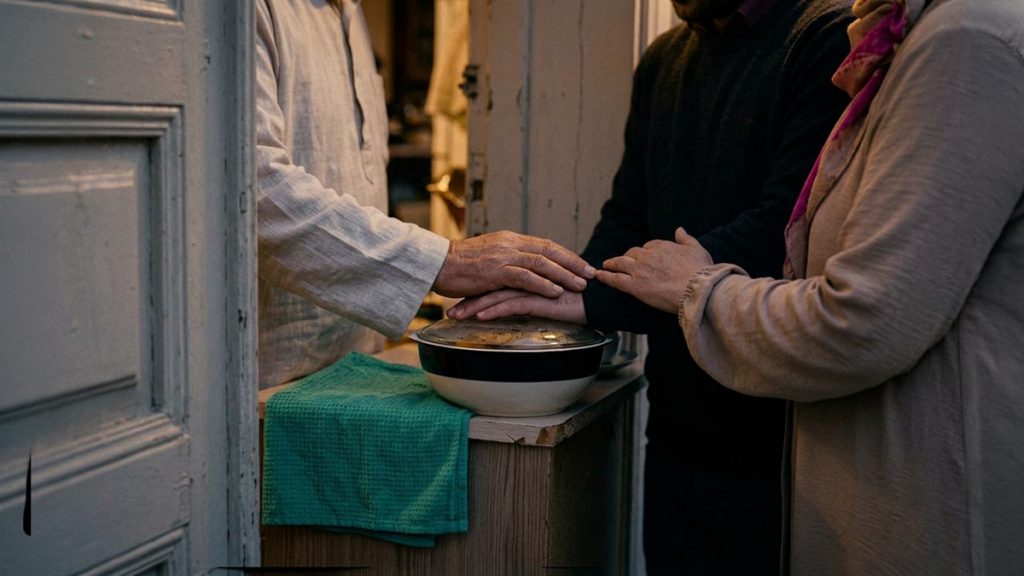
The Prophet (pbuh) comforted the grieving, reminding them that all belongs to Allah and returns to Him. Learn the duas of the Hereafter with us on YouTube, where the supplications are recited aloud, on Instagram for a reminder of how to console the bereaved, and on LinkedIn where readers share words of comfort.
Frequently Asked Questions
The dua of condolence is the comfort the Prophet (pbuh) sent the grieving: Inna lillahi ma akhadh wa lahu ma ata, wa kullu shayin indahu bi ajalin musamma, to Allah belongs what He took and what He gave, and everything with Him is for an appointed term.
Remind them gently that all belongs to Allah and returns to Him at its appointed time, share in their sorrow, encourage them toward patience, and pray for them and the deceased. Consoling the bereaved with hope and kindness is a beautiful act.
Because they remind the bereaved that their loved one was always a trust from Allah, returned to Him at the term He decreed, and that nothing was lost that did not belong to Him. They anchor the grieving heart in the mercy and wisdom of Allah.
Yes, offering condolence is a beautiful kindness that eases the grief of the bereaved, reminds them of the reward of patience, and turns their hearts to the mercy of Allah. The believer consoles those who grieve with gentleness.
No, grief and tears are natural and not sinful, and the Prophet (pbuh) himself wept at loss. What is discouraged is wailing, striking oneself, or words of complaint against the decree of Allah. The believer grieves with patience and hope.
The believer may offer the words the Prophet (pbuh) taught, pray for the deceased and the family, and speak gentle words of comfort and hope. Reminding the bereaved of the mercy of Allah and the reward of patience consoles the grieving heart.