
Dua During Tawaf
5 Things to Know About Circling the Kaaba
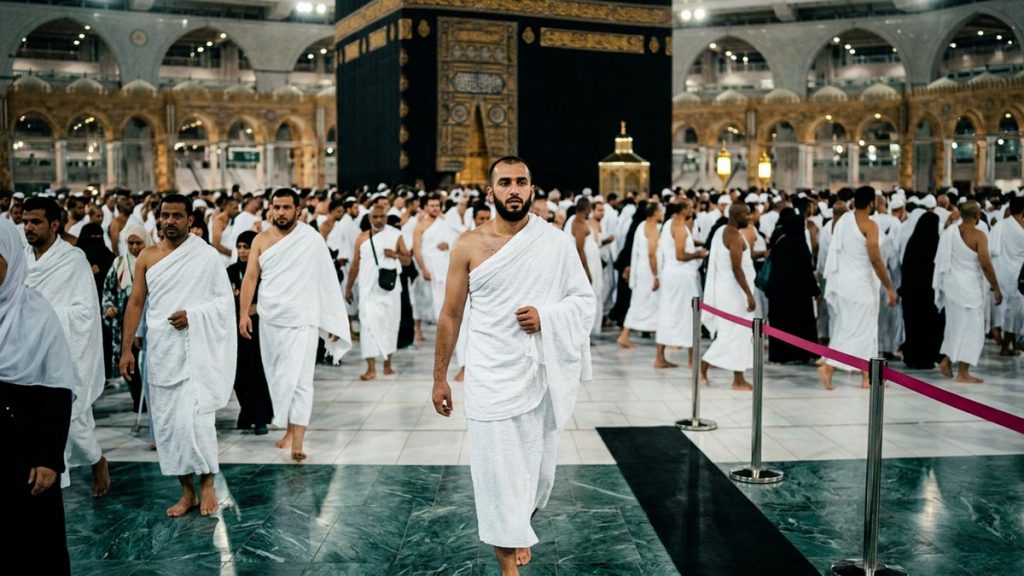
Tawaf, the circling of the Kaaba seven times, is among the most beautiful and central rites of Hajj and Umrah, in which the pilgrim moves around the sacred house in worship and remembrance of Allah. As they circle, the pilgrim fills the tawaf with dhikr, supplication and the recitation of the Quran, for the Prophet Muhammad (pbuh) taught that tawaf is like a prayer. The dua during tawaf is this remembrance, turning the circling of the Kaaba into a moving conversation with Allah. With every step around the sacred house, the pilgrim draws nearer to their Lord, the heart filling with awe at standing in the most honoured place on earth.
الطَّوَافُ بِالْبَيْتِ صَلَاةٌ إِلَّا أَنَّ اللَّهَ أَحَلَّ فِيهِ الْكَلَامَ
At-tawāfu bil-bayti salāh, illā annal-lāha ahalla fīhil-kalām.
“Tawaf around the House is a prayer, except that Allah has permitted speech in it.”
Unlike some rites that have a fixed wording, the tawaf is largely open for the pilgrim to supplicate as they wish, pouring out their needs and praises to Allah while circling His house. The only fixed supplication is recited between the Yemeni Corner and the Black Stone, while the rest of the tawaf is filled with whatever dhikr and dua the heart desires. This guide explains the dua during tawaf and five things to know about circling the Kaaba, so that the pilgrim may perform this beautiful rite with knowledge and presence of heart, filling each of the seven circuits with the remembrance and supplication that the moment deserves.
Performed in a state of purity and devotion, the tawaf draws the pilgrim into the presence of the sacred house, the first place of worship established for humankind. With each circuit, the pilgrim affirms the oneness of Allah and seeks His mercy, beginning and ending at the Black Stone. The dua during tawaf fills this beautiful rite with the remembrance of Allah, making the circling of the Kaaba a profound act of worship from the first circuit to the seventh. The pilgrim who understands the meaning of the tawaf approaches it not as a duty to be rushed through, but as a rare and treasured chance to draw near to Allah at His house.
Tawaf Is Like a Prayer
The Prophet (pbuh) taught the beautiful principle quoted above: tawaf around the House is a prayer, except that Allah has permitted speech in it. This means that the circling of the Kaaba carries the sanctity of the prayer, requiring purity and reverence, but allows the pilgrim to speak, to make dhikr, and to supplicate as they circle. The tawaf is therefore not a casual walk around the house, but a sacred act of worship, performed with the same focus and devotion as the prayer. The pilgrim does not chatter idly or let the mind wander, but moves around the house with the awareness that they stand in worship before Allah, treating each circuit with the reverence due to so sacred an act.
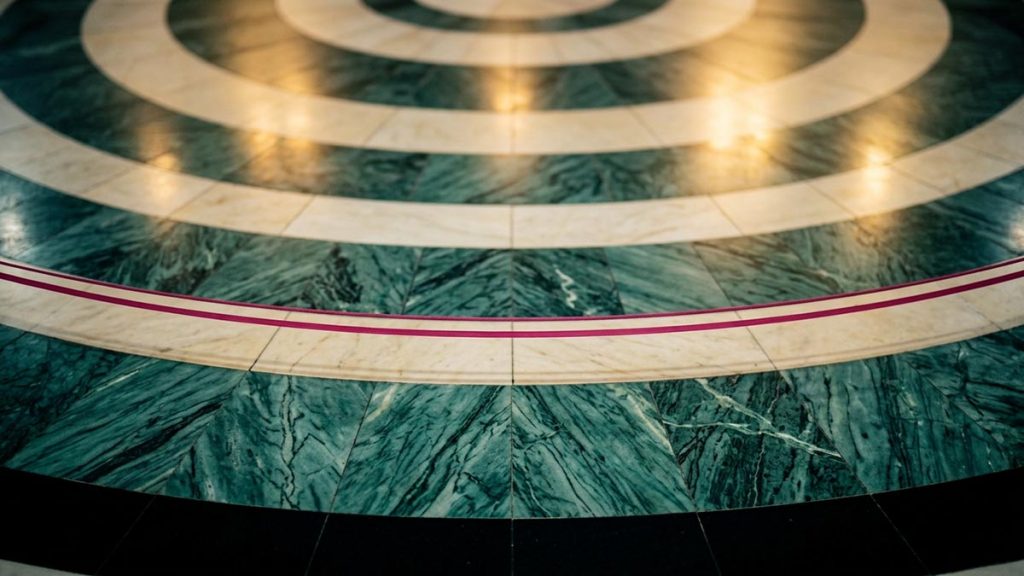
Because tawaf is like a prayer, the pilgrim performs it in a state of purity, with humility and presence of heart, mindful that they are in the most sacred place on earth. Yet because speech is permitted, the pilgrim fills the tawaf with the remembrance of Allah, reciting dhikr, supplicating for their needs, and reading the Quran. The dua during tawaf flows from this principle, transforming each circuit into a moment of worship and a conversation with Allah while circling His house. The combination of movement and remembrance is unique to the tawaf, for the body and the tongue are engaged together, the feet circling the house while the heart and lips are busy with the praise of Allah.
Supplicating Freely While Circling
One of the beautiful features of the tawaf is that it has no required wording for most of its circuits, leaving the pilgrim free to supplicate as their heart desires. The pilgrim may ask Allah for the good of this life and the next, seek forgiveness, praise Him, and pour out their deepest needs while circling the sacred house. This freedom allows the tawaf to become deeply personal, as each pilgrim brings their own hopes and prayers before Allah at His house. A parent may pray for their children, a sick person for their healing, and a sinner for their forgiveness, each pouring out the particular needs of their heart at the most blessed spot on earth.
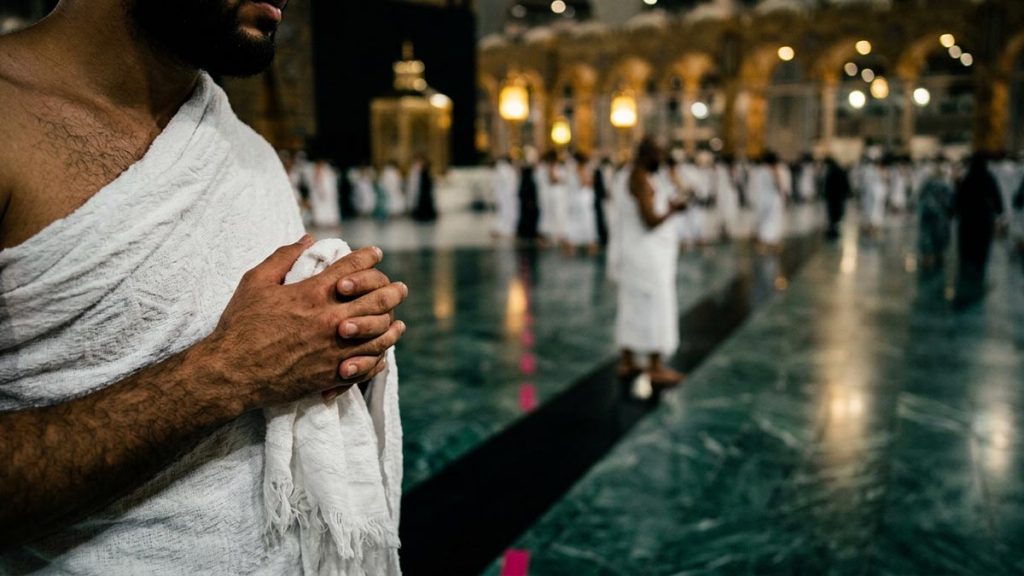
The pilgrim may also recite the Quran, make the remembrances of Allah such as glorification and praise, and send blessings upon the Prophet (pbuh) during the tawaf. There is no single fixed dua that must be recited around the house, except the supplication between the Yemeni Corner and the Black Stone. This openness is a mercy, for it means the pilgrim is never lost for words, but fills the tawaf with whatever draws their heart nearest to Allah while circling the Kaaba. This is a great mercy, especially for those who do not know many memorised supplications, for they may simply speak to Allah in their own words and language, certain that He hears and answers.
Fill the tawaf with the remembrance of Allah
Beginning and Ending at the Black Stone
The tawaf begins at the Black Stone, the corner of the Kaaba from which each of the seven circuits starts. The pilgrim faces the Black Stone, says the takbir, and begins to circle the house, keeping it to their left. If able, the pilgrim kisses or touches the Black Stone, or points to it from a distance, following the practice of the Prophet (pbuh), who honoured the stone while affirming that it neither benefits nor harms of itself, but is honoured by the command of Allah. Umar himself addressed the Black Stone, saying that he knew it was only a stone that could neither benefit nor harm, and that had he not seen the Prophet (pbuh) kiss it, he would not have kissed it, teaching that the honour shown to it is an act of obedience and not of veneration of the stone itself.
Each of the seven circuits is completed in this way, beginning and ending at the Black Stone, with the pilgrim filling the circling with remembrance and supplication. After completing the seven circuits, the pilgrim prays two units of prayer behind the Station of Ibrahim, completing the rite of tawaf. The dua during tawaf accompanies the pilgrim through all seven circuits, making the circling of the Kaaba a continuous act of worship from the first circuit to the last. There is no part of the tawaf left empty of remembrance, for from the moment the pilgrim begins until they complete the seventh circuit, the heart and tongue are kept occupied with the praise of Allah and the asking of His mercy.
Begin and end the circling at the Black Stone
Five Things to Know About Circling the Kaaba
Tawaf is among the most beautiful of the rites of Hajj and Umrah. These five things help the pilgrim circle the Kaaba correctly and well.
- Tawaf is like a prayer, performed in purity and reverence, but with speech permitted.
- There is no fixed dua for most of the tawaf, so the pilgrim supplicates freely from the heart.
- The only fixed supplication is recited between the Yemeni Corner and the Black Stone.
- The tawaf begins and ends at the Black Stone, which is honoured by the command of Allah.
- After seven circuits, the pilgrim prays two units behind the Station of Ibrahim.
Circle the House seven times in worship
A Moving Conversation with Allah
The dua during tawaf fills the circling of the Kaaba with the remembrance of Allah, turning a beautiful rite into a moving conversation with Him. By understanding that tawaf is like a prayer, supplicating freely from the heart, reciting the fixed dua between the Yemeni Corner and the Black Stone, beginning and ending at the Black Stone, and praying behind the Station of Ibrahim, the pilgrim performs the tawaf in the best way. The Prophet (pbuh) taught that tawaf is a prayer in which speech is allowed, so the pilgrim circles the house in worship and devotion. To circle the Kaaba is to join the angels, who the Prophet (pbuh) taught circle the house above in the heavens, and the countless believers who have circled it since the time of Ibrahim, all united in turning around the first house built for the worship of Allah.
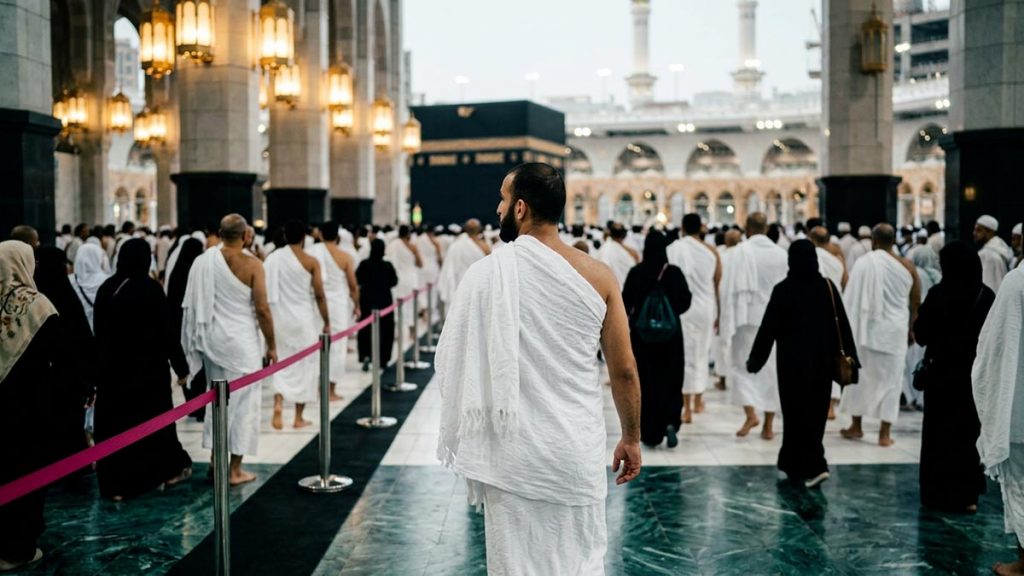
This rite pairs naturally with the dua upon seeing the Kaaba and the dua at Maqam Ibrahim. Together they help the pilgrim fill the rites at the sacred house with the remembrance of Allah.
Tawaf around the House is a prayer, except that Allah has permitted speech in it, taught the Prophet (pbuh). Learn the duas of Hajj with us on YouTube, where the supplications are recited aloud, on Threads for a reminder of the beauty of tawaf, and on LinkedIn where readers share their experience of circling the Kaaba.
Frequently Asked Questions
The dua during tawaf is the remembrance and supplication recited while circling the Kaaba. The Prophet (pbuh) taught that tawaf is like a prayer in which speech is permitted, so the pilgrim fills it with dhikr, dua and Quran.
For most of the tawaf there is no fixed wording, so the pilgrim supplicates freely from the heart. The only fixed supplication is recited between the Yemeni Corner and the Black Stone during the circling.
It means the tawaf carries the sanctity of the prayer, requiring purity and reverence, but Allah has permitted speech in it. So the pilgrim performs it with focus and devotion while making dhikr and dua.
The tawaf begins at the Black Stone, where the pilgrim faces it, says the takbir, and begins to circle the Kaaba keeping it to their left. Each of the seven circuits begins and ends at the Black Stone.
After completing the seven circuits, the pilgrim prays two units of prayer behind the Station of Ibrahim, completing the rite of tawaf. It is Sunnah to drink from the water of Zamzam afterward.
Yes, the pilgrim may recite the Quran, make remembrance, send blessings upon the Prophet (pbuh), and supplicate freely during the tawaf. The circling of the Kaaba is filled with whatever draws the heart nearest to Allah.