
Dua Before Apologising
3 Things to Know About Admitting Fault
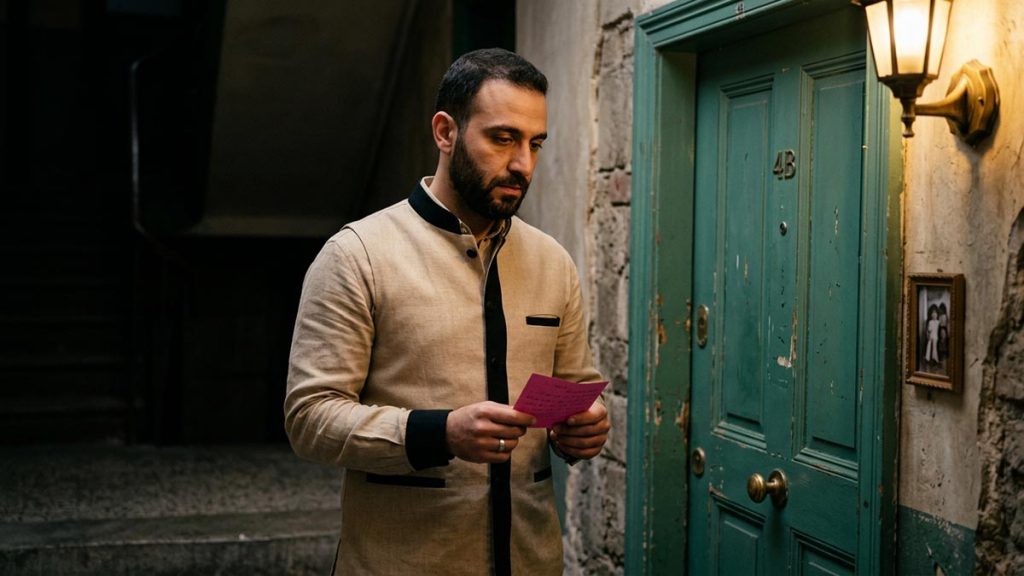
Apologising and making amends takes humility, and before turning to a person they have wronged, the believer turns first to Allah, admitting their fault and seeking His help to make a sincere apology. The Prophet Musa (AS), after a mistake, humbly admitted to Allah that he had wronged himself and asked for forgiveness, giving the believer a beautiful example of owning a fault before Allah. The dua before apologising prepares the heart with this humility, seeking the help of Allah to apologise sincerely and mend what was broken.
A sincere apology requires admitting the wrong, feeling genuine regret, and resolving to make amends, all of which are made easier when the believer first humbles themselves before Allah. This guide explains the dua before apologising and three things to know about admitting fault, so that the believer may approach those they have wronged with a soft and humble heart, seeking the help of Allah to apologise sincerely, to make amends where they can, and to mend the bonds of brotherhood that Allah loves to see restored.
The Humble Admission of Musa
When the Prophet Musa (AS) struck a man and unintentionally caused his death, he turned to Allah with the humble words quoted above, admitting that he had wronged himself and asking for forgiveness, and Allah forgave him. This beautiful example shows the believer how to own a fault: not with excuses or blame, but with a humble admission before Allah and a sincere request for His pardon. Before apologising to a person, the believer first humbles themselves before Allah in this way.
Admitting fault before Allah softens the heart and prepares the believer to make a sincere apology to the person they have wronged. The one who has humbled themselves before their Lord finds it easier to humble themselves before a fellow servant, to say plainly that they were wrong, and to seek pardon without pride. The dua before apologising draws on the example of Musa (AS), helping the believer approach their apology with the humility and sincerity that mend broken bonds.
رَبِّ إِنِّي ظَلَمْتُ نَفْسِي فَاغْفِرْ لِي
Rabbi inni zalamtu nafsi faghfir li
My Lord I have wronged myself so forgive me
Three Things to Know About Admitting Fault
A sincere apology begins with humility before Allah. These three things help the believer admit fault and make amends.
- Admit your fault before Allah humbly, as Musa (AS) did, and ask for His forgiveness.
- Seek the help of Allah to apologise sincerely, without excuses or pride.
- Make amends where you can, returning rights and mending the bond that was broken.
وَلْيَعْفُوا وَلْيَصْفَحُوا
Walya‘fu walyasfahu
Let them pardon and overlook one another
Apologising with a Humble Heart
The dua before apologising prepares the heart with humility, seeking the help of Allah to apologise sincerely and make amends. By admitting fault before Allah as Musa (AS) did, seeking His help to apologise without pride, and making amends where possible, the believer apologises in the best way. The believer who first humbles themselves before Allah finds it easier to humble themselves before a fellow servant, mending the broken bond and restoring the brotherhood and the bond that Allah loves to see whole.
This supplication pairs naturally with the dua for forgiving others and the dua for repentance. Together they help the believer mend relationships and turn back to Allah with a humble heart.
My Lord, I have wronged myself, so forgive me, said Musa (AS), humbly owning his fault before Allah. Learn the duas for life with us on YouTube, where the supplications are recited aloud, on Instagram for a reminder to apologise with humility, and on Threads where readers share how they make amends.
Frequently Asked Questions
The dua before apologising draws on the humble words of Musa (AS): Rabbi inni zalamtu nafsi faghfir li, my Lord I have wronged myself, so forgive me. The believer admits their fault before Allah and seeks His help to apologise sincerely.
Because admitting fault before Allah softens the heart and prepares the believer to make a sincere apology without pride. The one who humbles themselves before Allah finds it easier to humble themselves before a person.
When Musa (AS) unintentionally caused a man death, he turned to Allah saying, my Lord I have wronged myself, so forgive me, and Allah forgave him. He owned his fault humbly rather than making excuses.
A sincere apology requires admitting the wrong plainly, feeling genuine regret, resolving not to repeat it, and making amends where possible, such as returning rights or repairing harm. Sincerity is shown in both words and action.
Yes, where the wrong involved the rights of a person, the believer returns those rights or repairs the harm alongside the apology. Making amends shows the sincerity of the apology and helps restore the broken bond.
Allah loves to see the bonds between the believers whole and encourages pardoning and overlooking. Reconciling broken relationships, forgiving one another, and mending ties are beloved to Allah and bring great reward.