
Dua Against Sadness
3 Comforts in the Words of Allah
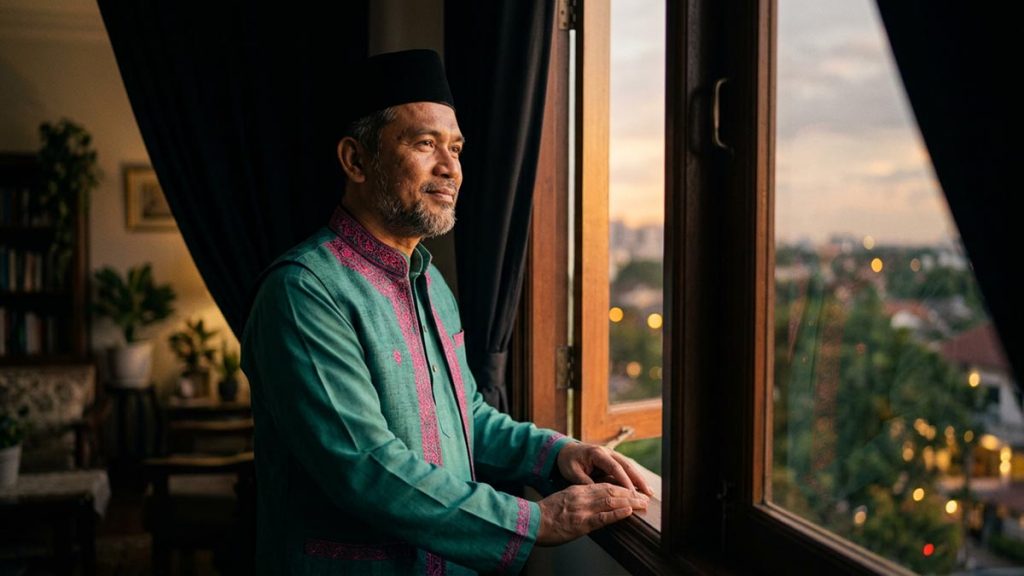
Sadness is part of the human experience, a sorrow that can settle over the heart and dim the light of the day. The dua against sadness draws on the words the Prophet Muhammad (pbuh) spoke to comfort his companion in their darkest hour, hidden in a cave with enemies close by: do not grieve, indeed Allah is with us. These few words turn the heart away from despair and toward the nearness of Allah, the truest comfort for any sorrow.
This guide explains the dua against sadness, the meaning of being reassured that Allah is with us, and three comforts in the words of Allah, so that the believer carrying sadness may find solace in the nearness of Allah, while also being gentle with themselves and reaching for support when sorrow weighs heavy on the heart.
The Meaning of the Dua Against Sadness
The dua against sadness comes from Surah At-Tawbah, recalling the moment when the Prophet (pbuh) and his companion Abu Bakr hid in a cave during their migration, with their enemies searching just outside. When Abu Bakr grew fearful and sorrowful, the Prophet (pbuh) comforted him with words that have brought solace to believers ever since: do not grieve, indeed Allah is with us. In that moment of danger and sadness, the reminder of the nearness of Allah was the greatest comfort of all.

These words speak to every heart weighed down by sorrow. Sadness often makes a person feel alone, as though no one understands or can help. The reminder that Allah is with us cuts through this loneliness, affirming that the believer is never truly alone, for Allah is near, aware of their sorrow, and able to bring relief. The dua against sadness turns the heart from dwelling on grief to resting in the nearness of Allah.
لَا تَحْزَنْ إِنَّ اللَّهَ مَعَنَا
La tahzan innallaha ma‘ana
Do not grieve indeed Allah is with us and He helps us
Three Comforts in the Words of Allah
The words of Allah bring deep comfort to a sorrowful heart. These three comforts, rooted in the dua against sadness, ease a heart weighed down by sadness.
- Allah is with us, so the believer is never truly alone in their sorrow.
- Allah is near and aware, knowing every grief and able to bring relief.
- Hardship gives way to ease, for Allah has promised that with hardship comes ease.
وَلَا تَيْأَسُوا مِنْ رَوْحِ اللَّهِ
Wa la tay’asu min rawhillah
And do not lose hope in the relief of Allah and His mercy
Finding Solace in the Nearness of Allah
Sadness can make the heart feel alone in its sorrow, but the believer is reminded that Allah is always near. The dua against sadness turns the heart away from despair and toward the nearness of Allah, the comfort the Prophet (pbuh) gave in his hardest hour. Resting in the knowledge that Allah is with us brings solace to a grieving heart, while the believer is also gentle with themselves and reaches for support, for sharing sorrow and seeking help are part of caring for the heart that Allah has graciously entrusted to us.
This supplication pairs naturally with the dua for relief from worry that seeks ease in Allah, and the dua for emotional healing. Together they bring the sorrowful heart toward the comfort and nearness of Allah, who is never far from those who turn to Him.
Sadness can make the heart feel alone, but the believer is reminded that Allah is always near. Learn the healing duas with us on YouTube, where the supplications are recited aloud, on Instagram for a gentle reminder that Allah is with us, and on Threads where readers share how they find solace in His nearness.
Frequently Asked Questions
The dua against sadness is the Quranic reassurance La tahzan inna Allaha ma‘ana, do not grieve, indeed Allah is with us. The Prophet (pbuh) spoke it to comfort Abu Bakr in the cave during their migration.
Say it whenever sorrow weighs on your heart, reminding yourself of the nearness of Allah and that you are never truly alone. It turns the heart from despair toward the comfort of Allah.
It reminds the believer that Allah is with them, near and aware of their sorrow and able to bring relief, cutting through the loneliness that sadness brings. Resting in His nearness brings solace.
No, sadness is a natural human experience, and even the Prophet (pbuh) and his companions felt it, as did the prophets before him. Islam meets sorrow with gentleness and the comfort of the nearness of Allah.
No, the dua brings spiritual comfort while the believer is also gentle with themselves and reaches for support when sorrow weighs heavy. Sharing sorrow and seeking help are part of caring for the heart.
The dua for emotional healing brings the heart to rest in the remembrance of Allah, and the dua for relief from worry seeks ease in Him. Together they bring the sorrowful heart toward the comfort of Allah.