
What Does Habibi Mean?
حَبِيبِي
“My love.”
Habibi is one of the most heartfelt words in the Arabic language — a warm “my love” or “my dear” heard everywhere Arabic is spoken. It passes between friends, family, and even strangers, carrying affection in a single breath. But what does the word actually mean, where does it come from, and when is it said? This guide explains.
A Word of Love and Affection
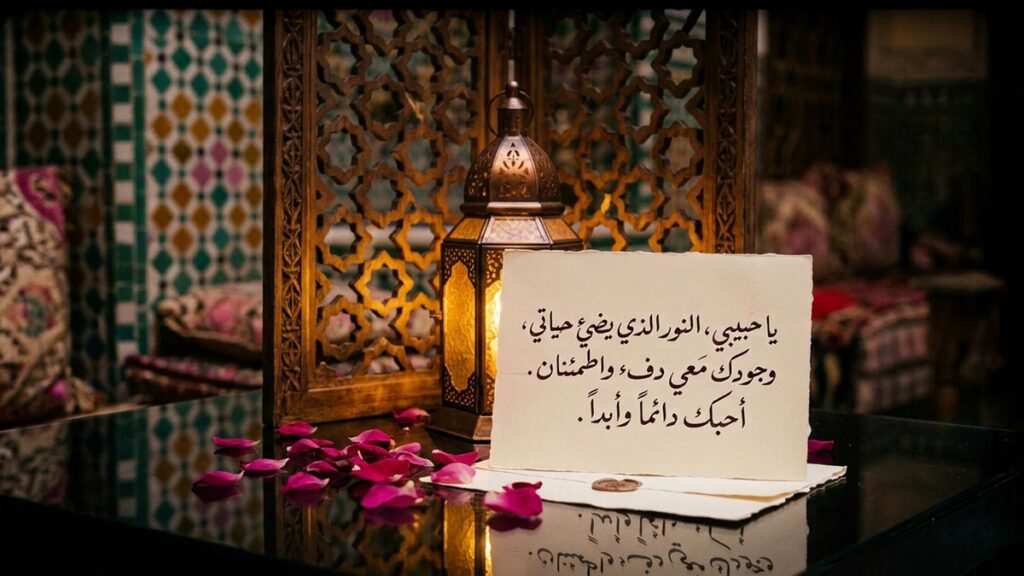
At its simplest, Habibi (حَبِيبِي) means “my love,” “my dear,” or “my darling.” It is a term of endearment used to show warmth and affection toward someone close.
Yet despite its tender literal meaning, it is most often said casually and warmly — between brothers, friends, and companions, and not only between loved ones in a romantic sense. It is the sound of closeness in everyday Arabic speech.
More than a casual word, habibi literally means my beloved a term of pure affection.
Breaking Down Habibi
To feel the warmth the word carries, it helps to unpack it:
- Habib — حَبِيب — “beloved” or “darling,” from the Arabic root hubb, meaning love.
- The ending “-i” — ـِي — means “my,” turning “beloved” into “my beloved.”
Together the word says, in two short syllables, “my beloved” — a warmth that flows from the same love Islam places at the heart of faith, named in Allah’s beautiful name Al-Wadud, the Most Loving.
Habibi grows from hubb the Arabic word for love so it means my beloved.
The Love at the Heart of the Faith
Though habibi is a word of everyday affection rather than a sacred phrase, the love it expresses sits at the very centre of Islam. The Prophet Muhammad (pbuh) is known across the Muslim world as al-Habib — “the Beloved” — out of the deep love believers hold for him.
That love is not only a feeling but a teaching. The Prophet (pbuh) said that none of us truly believes until we love for our brother what we love for ourselves, and that spreading warmth and love is part of faith itself — the very spirit of brotherhood among Muslims that a word like this helps to carry.
When Do Muslims Say Habibi?
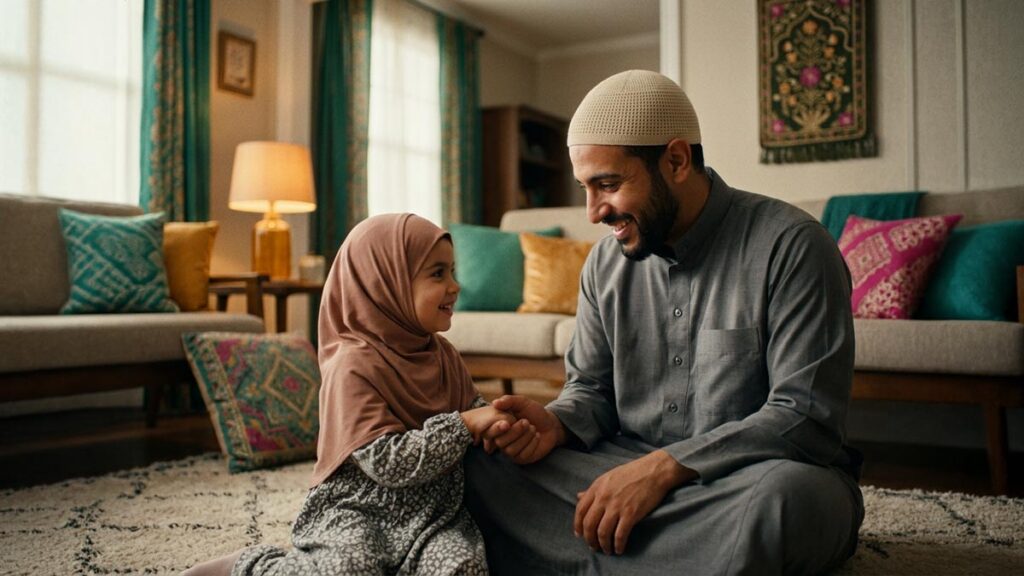
The word belongs to warm, everyday moments. It is said between close friends, from a parent to a child, among brothers and companions, and often to soften a request or show someone they are cared for.
It is also heard between strangers as a friendly gesture — a shopkeeper, a driver, or a passer-by might use it with a stranger to put them at ease. Said to a woman, the word becomes habibti. Wherever affection is being shown, this is the word that carries it.
Though it means my love, habibi is said warmly between friends, family, and even strangers.
5 Warm Ways Muslims Use Habibi
Like many words of affection, the word comes in several forms. Here are five:
- Habibi. “My love” or “my dear,” said to a man or boy — the everyday form heard most often.
- Habibti. “My love,” the feminine form, said to a woman or girl.
- Ya Habibi. “O my love,” the ya adding a note of calling and extra warmth — the same ya that opens Ya Allah.
- Habaybi. “My loved ones,” the plural form, used warmly to address a whole group.
- Habib albi. “Love of my heart,” a deeper, more tender form for someone especially dear.
Whichever form it takes, the word does the same thing: it wraps a little affection around whoever it is spoken to.
To a woman, habibi becomes habibti the ending softly changing for her.
How Abdul El-Sayed Took Habibi Global
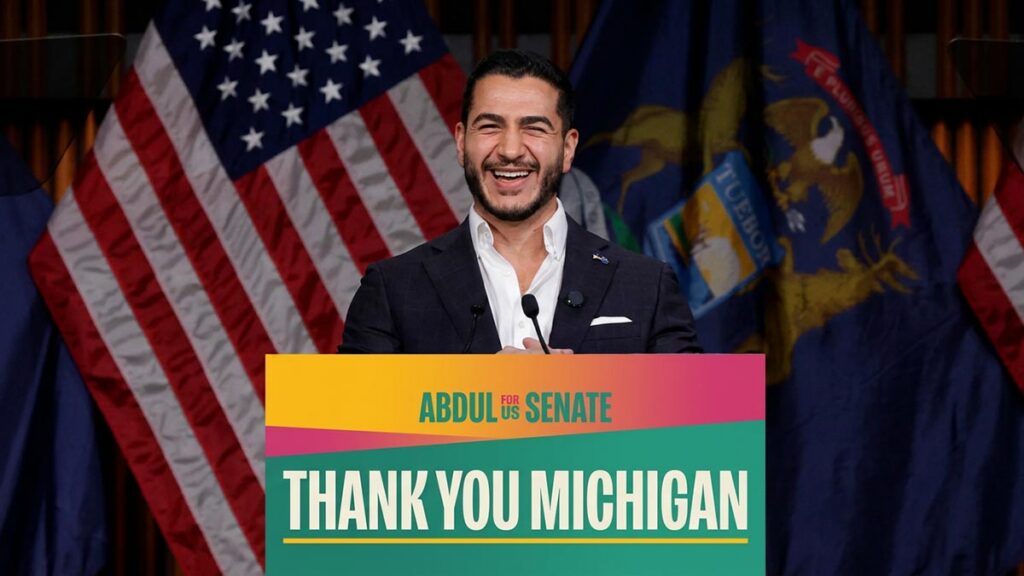
In November 2026, the word reached a far wider audience when Abdul El-Sayed, the Egyptian-American politician celebrated as the first Muslim American elected to the United States Senate, used it in his victory speech. Addressing his political rival, US Vice President JD Vance, he delivered a pointed “JD, habibi” — an affectionate term turned, with a smile, into a gentle jab.
The clip spread quickly across social media, and Arabic speakers delighted in seeing a word so dear to them reach such a stage, many answering with their favourite “habibi” songs. As one Egyptian academic put it, “Habibi is the sweetest word.” The moment captured just what the term carries: warmth, familiarity, and a flash of playful wit, all in a single breath.
Habibi and Related Expressions
Warmth runs through many Islamic expressions. A greeting of peace, As-Salamu Alaikum, and a welcome such as Marhaban open a meeting with kindness, while BarakAllahu Feek, “may Allah bless you,” and JazakAllahu Khayran, “may Allah reward you,” return affection as a prayer.
Where those phrases call on Allah, habibi speaks heart to heart — a plain, human word of love that sits easily alongside them in everyday Muslim speech.
Why This Word Matters
It is easy to pass it off as a throwaway word. But a language that reaches so readily for “my love” is a language shaped by warmth — and small words of affection, said often, keep hearts soft and close.
To call someone habibi is to remind them, in a breath, that they are cared for. In a faith that makes loving one another part of belief, even an everyday word of endearment carries a little of that light.
If this made you smile or taught you something new, come and learn with us. Follow It’s About Islam on YouTube, Instagram and Threads for daily reminders, Quran reflections and the beautiful meanings behind the phrases every Muslim knows by heart.
It means “my love,” “my dear,” or “my darling.” It is a term of endearment showing warmth and affection, used between friends, family and loved ones.
Mostly friendly. Although it literally means “my love,” habibi is used casually and warmly between friends, brothers and family. Tone and context decide whether it carries romantic feeling.
Habibti (حَبِيبَتِي), “my love,” said to a woman or girl. The meaning is the same; only the ending changes.
From the Arabic root hubb, meaning love. Habib means “beloved,” and the “-i” ending means “my,” so habibi literally means “my beloved.”
It is an Arabic term of affection rather than a religious phrase, used by Arabic speakers of every background. Still, the love it expresses is central to Islam, which calls believers to love one another and knows the Prophet (pbuh) as al-Habib, the Beloved.