
Dua Upon Seeing Someone Afflicted
3 Things to Know About Gratitude
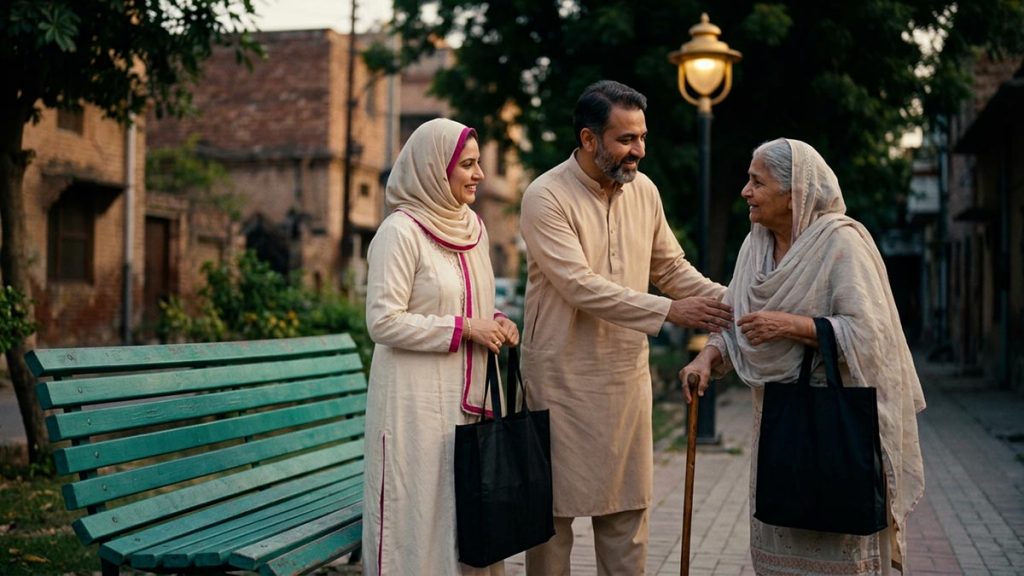
When the believer sees another person tested with an affliction, the Prophet Muhammad (pbuh) taught them to say a quiet prayer of gratitude to Allah for the wellbeing He has granted them, a prayer said gently within oneself and never to belittle the one afflicted. He taught that whoever sees someone afflicted and praises Allah for keeping them safe will be protected from that affliction. The dua upon seeing someone afflicted is this prayer, turning the sight of another trial into gratitude and humility before Allah.
الْحَمْدُ لِلَّهِ الَّذِي عَافَانِي مِمَّا ابْتَلَاكَ بِهِ، وَفَضَّلَنِي عَلَى كَثِيرٍ مِمَّنْ خَلَقَ تَفْضِيلًا
Al-hamdu lillahil-ladhi ‘afani mimma-btalaka bih, wa faddalani ‘ala kathirin mimman khalaqa tafdila.
“All praise is to Allah who has kept me safe from that with which He has afflicted you, and favoured me over much of His creation.”
This prayer is said quietly so as not to hurt the one who is afflicted, and its purpose is to move the heart to thankfulness and humility, never to scorn or look down on anyone. This guide explains the dua upon seeing someone afflicted and three things to know about gratitude, so that the believer may meet the sight of another trial with thankfulness to Allah for their own wellbeing, keep the prayer quiet and gentle out of mercy for the afflicted, and let it humble their heart with the remembrance that wellbeing is a gift of Allah that could be tested at any time.
A Quiet Prayer of Gratitude
The Prophet (pbuh) taught that whoever sees a person afflicted with a trial and says the beautiful prayer of gratitude quoted above, praising Allah for keeping them safe from that affliction, will be protected from being tested with it. This prayer is said quietly within oneself, so that the one who is afflicted does not hear it and is not hurt by it. By saying it gently, the believer turns the sight of another trial into gratitude to Allah for the wellbeing He has granted them.

It is essential that this prayer be said with mercy and never with scorn, for its purpose is to humble the heart with gratitude, not to look down on the afflicted. The Prophet (pbuh) was the most merciful of people, and he taught the believers to feel for those who are tested even as they thank Allah for their own safety. The dua upon seeing someone afflicted reflects this, turning the heart to thankfulness and humility while keeping the prayer quiet out of compassion for the one afflicted.
Three Things to Know About Gratitude
Seeing affliction can move the heart to gratitude. These three things help the believer respond with mercy.
- Praise Allah quietly for the wellbeing He has granted you when you see another afflicted.
- Keep the prayer gentle and unheard, out of mercy for the one who is afflicted.
- Let it humble your heart, remembering that wellbeing is a gift of Allah.
لَئِنْ شَكَرْتُمْ لَأَزِيدَنَّكُمْ
La’in shakartum la’azidannakum
If you are grateful I will increase you
Gratitude with Mercy and Humility
The dua upon seeing someone afflicted turns the sight of another trial into quiet gratitude and humility before Allah. By praising Allah quietly for your wellbeing, keeping the prayer gentle out of mercy, and letting it humble your heart, the believer responds to the sight of affliction in the best way. The prayer is never said to belittle the afflicted, but to move the heart to thankfulness and humility, remembering that wellbeing is a gift of Allah that could be tested at any time, and that mercy for the afflicted is beloved to Him.
This supplication pairs naturally with the dua for good character and the dua against arrogance. Together they help the believer build gratitude and humility while showing mercy to others.
The Prophet (pbuh) taught a quiet prayer of gratitude upon seeing affliction, said gently and never to belittle anyone. Learn the daily duas with us on YouTube, where the supplications are recited aloud, on Instagram for a reminder to meet blessings with gratitude, and on Threads where readers share how they cultivate thankfulness.
Frequently Asked Questions
The dua upon seeing someone afflicted is the prayer the Prophet (pbuh) taught: Al-hamdu lillahil-ladhi afani mimma-btalaka bih, all praise is to Allah who has kept me safe from that with which He has afflicted you, and favoured me over much of His creation.
No, the prayer is said quietly within oneself, so that the one who is afflicted does not hear it and is not hurt by it. Saying it gently is essential, out of mercy and compassion for the afflicted person.
Not at all, its purpose is to humble the heart with gratitude, never to scorn or look down on anyone. The believer feels mercy for those who are tested even as they thank Allah for their own wellbeing.
The Prophet (pbuh) taught that whoever sees a person afflicted and praises Allah for keeping them safe will be protected from being tested with that affliction. It is a prayer of gratitude that draws the protection of Allah.
Because it reminds the believer that their own wellbeing is a gift of Allah, not something they earned, and that they too could be tested at any time. Gratitude and humility are the right response, along with mercy for the afflicted.
The believer may say it upon seeing another tested with illness, hardship or trial, praising Allah quietly for their own wellbeing. It is always said with mercy for the afflicted and humility before Allah, who grants and withholds by His wisdom.