
Dua When Throwing the Jamarat
3 Things to Know About the Takbir
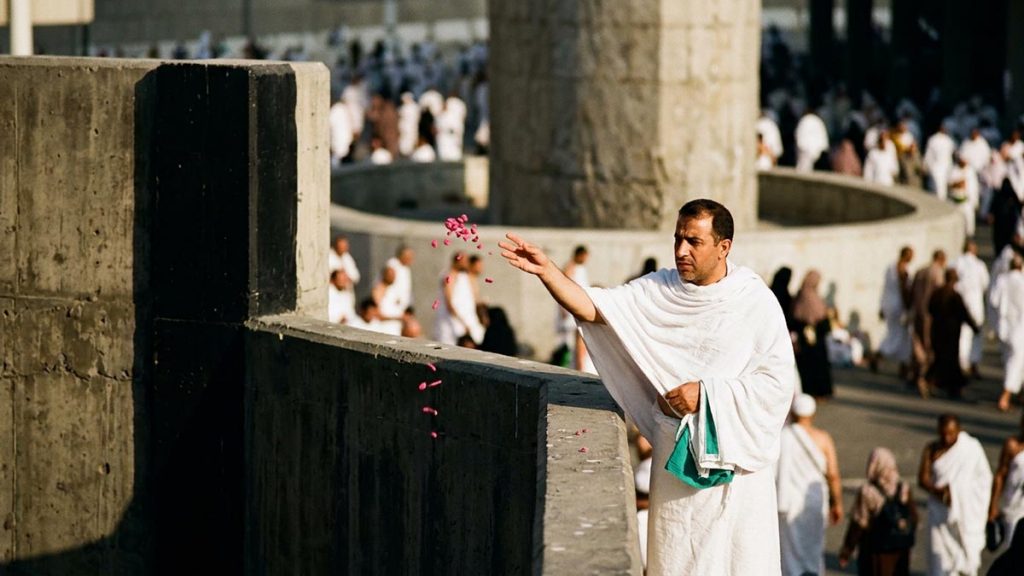
The stoning of the Jamarat, the throwing of pebbles at the three pillars at Mina, is one of the rites of the Hajj, performed during the days of tashriq in remembrance of the Prophet Ibrahim and his rejection of temptation. With each pebble cast, the pilgrim says the takbir, magnifying Allah, so that the rite is filled with His remembrance rather than any superstition. The dua when throwing the Jamarat centres on this takbir, glorifying Allah with each throw.
The stoning commemorates the steadfastness of Ibrahim, who cast away the whisperings of temptation as he obeyed the command of Allah, and the pilgrim follows his example while magnifying Allah. This guide explains the dua when throwing the Jamarat and three things to know about the takbir, so that the pilgrim may perform this rite in the way the Prophet (pbuh) did, saying the takbir with each pebble and filling the act with the remembrance and glorification of Allah.
The Takbir with Each Pebble
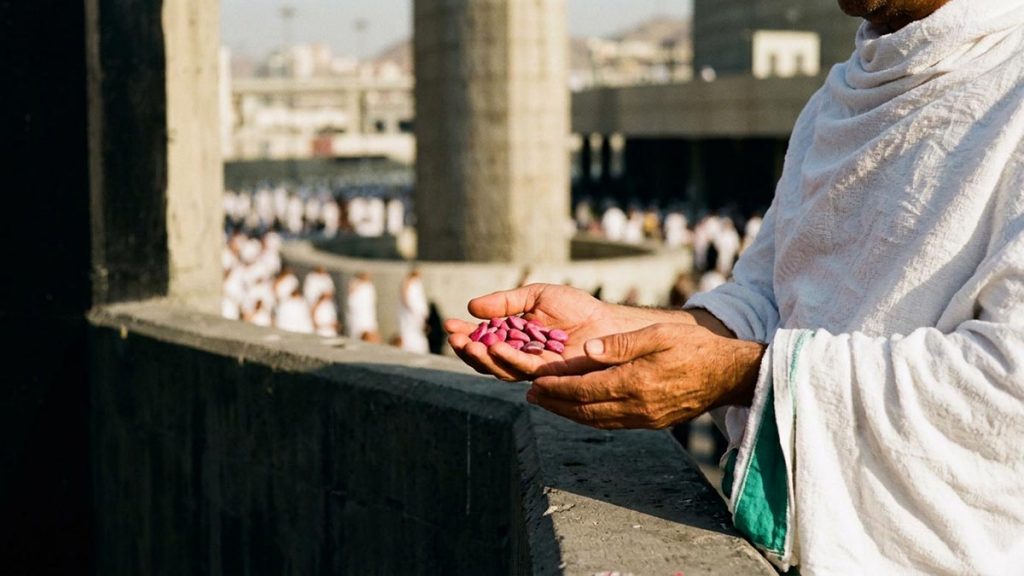
When the Prophet (pbuh) stoned the Jamarat, he cast seven pebbles at each pillar, saying the takbir, Allahu akbar, Allah is the Greatest, with every pebble he threw. The takbir is the remembrance recited at the stoning, filling the rite with the magnification of Allah. By saying the takbir with each pebble, the pilgrim follows the practice of the Prophet (pbuh) and turns the stoning into an act of worship and the glorification of Allah rather than an empty ritual.

The stoning is performed not because the pillars hold any power, for they neither benefit nor harm, but as an act of obedience and remembrance commanded within the Hajj. The pilgrim is not striking at anything that can hear or respond, but is following the rites Allah ordained and the example of Ibrahim, all while magnifying Allah with the takbir. The dua when throwing the Jamarat keeps the heart focused on Allah, ensuring the rite is one of remembrance and not superstition.
Allah is the Greatest with every pebble that is thrown
Three Things to Know About the Takbir
The takbir fills the stoning of the Jamarat with the remembrance of Allah. These three things help the pilgrim perform the rite.
- Say the takbir, Allahu akbar, with each of the pebbles thrown at the Jamarat.
- The stoning follows the example of Ibrahim, who rejected temptation in obedience to Allah.
- The pillars hold no power, so the rite is one of remembrance and obedience, not superstition.
Follow the example of Ibrahim in obeying Allah
Glorifying Allah at the Pillars
The dua when throwing the Jamarat fills the rite with the takbir, glorifying Allah with each pebble cast at the pillars. By saying the takbir with each pebble, following the example of Ibrahim, and understanding that the pillars hold no power, the pilgrim performs the stoning in the best way. The rite is one of remembrance and obedience, commemorating the steadfastness of Ibrahim, and the believer fills the whole of this rite with the magnification of Allah rather than any superstition.
This practice pairs naturally with the dua at Mina and the dua after completing Hajj. Together they help the pilgrim fill the rites of the Hajj with the remembrance of Allah.
At the Jamarat, the pilgrim says the takbir with each pebble, glorifying Allah and following the example of Ibrahim. Learn the duas of Hajj with us on YouTube, where the supplications are recited aloud, on Threads for a reminder of this rite, and on LinkedIn where readers share their experience of the Hajj.
Frequently Asked Questions
The dua when throwing the Jamarat is the takbir, Allahu akbar, Allah is the Greatest, said with each pebble cast at the pillars. The Prophet (pbuh) said the takbir with every pebble he threw, filling the rite with the remembrance of Allah.
The stoning of the Jamarat is the throwing of pebbles at the three pillars at Mina during the days of tashriq, one of the rites of the Hajj. It commemorates the Prophet Ibrahim and his rejection of temptation in obedience to Allah.
The pilgrim says the takbir, Allahu akbar, with each of the seven pebbles thrown at each pillar, following the practice of the Prophet (pbuh). The takbir fills the rite with the magnification and remembrance of Allah.
The stoning commemorates the steadfastness of the Prophet Ibrahim, who cast away the whisperings of temptation as he obeyed the command of Allah. The pilgrim follows his example while magnifying Allah with the takbir.
No, the pillars hold no power and neither benefit nor harm. The stoning is an act of obedience and remembrance commanded within the Hajj, following the example of Ibrahim, not a striking of anything that can hear or respond.
Seven pebbles are thrown at each pillar, the Prophet (pbuh) saying the takbir with each one. The pebbles are gathered at Muzdalifah, and the stoning is performed at the pillars at Mina during the days of the Hajj.