
Dua in Sujood
5 Things to Know About Prostration

Of all the positions in the prayer, none brings the worshipper closer to Allah than sujood, the prostration. The Prophet Muhammad (pbuh) taught that the servant is nearest to their Lord while in sujood, and so he encouraged believers to make abundant supplication in it. The dua in sujood includes the prescribed glorification, Subhana rabbiyal-a‘la, and the worshipper is also encouraged to pour out their heart to Allah in this position of utmost humility and nearness.
In sujood, the worshipper places the highest part of their body, the forehead, on the ground, in complete submission to Allah. This physical lowering reflects an inner humility, and the Prophet (pbuh) described it as the closest a servant can be to Allah. It is a moment to glorify Allah, to ask for forgiveness, and to make whatever supplication the heart desires, certain that one is in the nearest and most beloved state to the Lord.
This guide explains the dua in sujood, its prescribed words, the encouragement to supplicate, and five things to know about prostration, so that the worshipper may fill their sujood with glorification and heartfelt prayer, drawing near to Allah in the most humble and intimate moment of the prayer.
The Closest Moment to Allah
The Prophet Muhammad (pbuh) taught that the closest a servant comes to their Lord is while in sujood, and so he urged believers to make much supplication in it. This is a remarkable honour: in the very moment the worshipper lowers their forehead to the ground in humble submission, they are nearest to Allah. The prostration, which appears to be the lowest position physically, is in fact the highest in nearness to Allah, a moment of profound intimacy and connection. There is deep wisdom in this: the more a servant humbles themselves before Allah, the higher Allah raises them, so the very act that lowers the body to the ground lifts the soul to its closest station with its Lord.
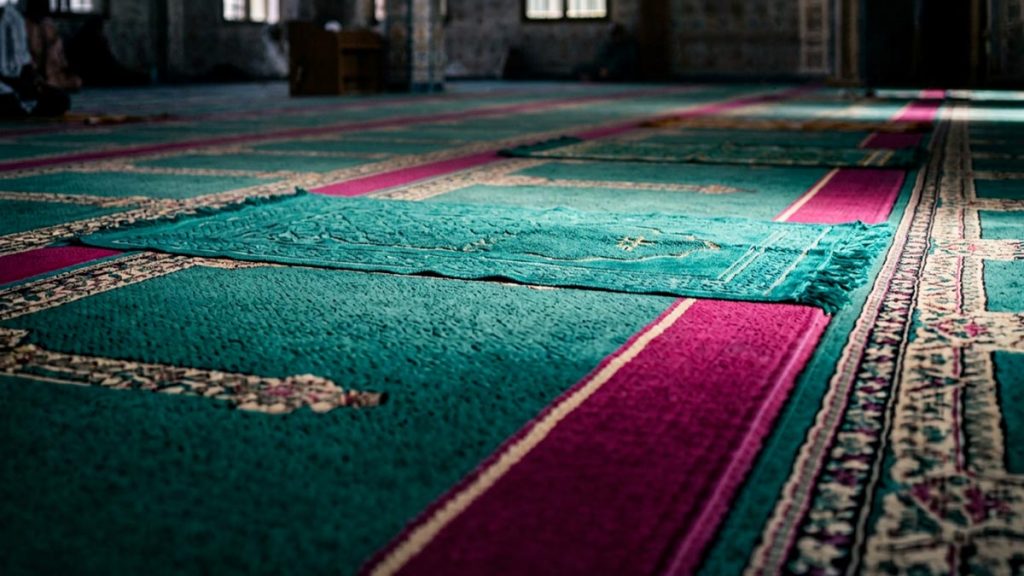
Because of this nearness, sujood is the ideal place to pour out one’s heart to Allah. While the worshipper must recite the prescribed glorification, they are also encouraged to ask Allah for whatever they need, in the obligatory prayers within the limits of the Sunnah, and especially in voluntary prayers and the night prayer. The Prophet (pbuh) himself made long and beautiful supplications in his sujood, seeking forgiveness, mercy and the good of this world and the next. His prostrations were sometimes so long that those praying behind him could have recited a portion of the Quran in the time he remained with his forehead on the ground, pouring out his heart to Allah in the nearest moment of the prayer.
This teaches the worshipper to value the moment of sujood deeply. Rather than rushing through it, the believer should settle into the prostration, glorify Allah with presence of heart, and take the opportunity to make sincere dua. In a world where people seek nearness to Allah, the prayer offers it five times a day in the simple act of placing the forehead on the ground in submission to the Most High. This is the very heart of what it means to be a servant of Allah: to bring the highest part of oneself down to the ground before the One who is higher than all, and to discover in that humble lowering the very nearest closeness to Him of all.
سُبْحَانَ رَبِّيَ الْأَعْلَىٰ
Subhana Rabbiyal-A‘la
Glory be to my Lord the Most High
The Words Recited in Sujood
The prescribed glorification in sujood is Subhana rabbiyal-a‘la, glory be to my Lord, the Most High, recited at least once, and recommended three times or more. This beautiful phrase declares the perfection and exaltedness of Allah while the worshipper is in the lowest physical position, a striking contrast that captures the spirit of worship: the servant humbles themselves completely while glorifying the greatness of their Lord. It is the core remembrance of the prostration. Saying it three times allows the worshipper to settle into the position and feel the meaning of the words, rather than rising the moment the forehead touches the ground.
The Prophet (pbuh) also recited other supplications in sujood. Among them is Subbuhun quddusun rabbul-mala’ikati war-ruh, perfect and holy, Lord of the angels and the spirit, which he would say in his bowing and prostration. He also taught the comprehensive supplication asking Allah to forgive all of one’s sins, the small and the great, the first and the last, the open and the secret. These supplements enrich the sujood with deeper glorification and seeking of forgiveness. The worshipper may learn them gradually, adding to their prostration over time so that this nearest moment of the prayer grows ever richer in remembrance.
Beyond the prescribed words, the worshipper is encouraged to make personal supplication in sujood, asking Allah in their own words for whatever they need. The Prophet (pbuh) said that the servant should strive in supplication during sujood, as it is the most likely time for the dua to be answered. So the worshipper may glorify Allah, seek His forgiveness, and then ask Him for the good of this life and the next, all while in this position of nearness. There is no need to confine the supplication to a fixed form; the worshipper may speak to Allah of whatever weighs on their heart, large or small, certain that in this moment they are as close to Him as a servant can be.
سُبُّوحٌ قُدُّوسٌ رَبُّ الْمَلَائِكَةِ وَالرُّوحِ
Subbuhun quddusun Rabbul-mala’ikati war-ruh
Perfect and holy Lord of the angels and the spirit
Five Things to Know About Prostration
Sujood is the closest and most beloved moment of the prayer. These five points help the worshipper make the most of their prostration.
- It is the closest moment to Allah, when the Prophet (pbuh) urged the most supplication.
- Recite Subhana rabbiyal-a‘la at least once, and recommended three times or more.
- Make personal dua in sujood, asking Allah for whatever you need in your own words.
- Prostrate on seven parts, the forehead with nose, both hands, both knees, and both feet.
- Do not rush, settling into the prostration with calm, presence and heartfelt supplication.
وَاسْجُدْ وَاقْتَرِبْ
Wasjud waqtarib
And prostrate and draw near to Allah
The Reward of Falling into Prostration
Prostration is not only the closest moment to Allah, but a deed of immense reward. The Prophet (pbuh) taught that whenever a servant prostrates to Allah, Allah raises them by a degree and removes a sin from them. So every sujood lifts the worshipper higher in rank and wipes away wrongs, making the prostration a treasure repeated many times in every prayer. The believer who understands this values each prostration as an opportunity to rise nearer to Allah.

The Prophet (pbuh) also encouraged abundant prostration as a means to Paradise. When a companion asked to accompany him in Paradise, the Prophet (pbuh) told him to help himself by prostrating much, for each prostration is beloved to Allah and a means of nearness to Him. This shows that the simple act of placing the forehead on the ground, repeated sincerely, is among the surest paths to the pleasure of Allah and the gardens of the Hereafter.
Prostration is also a mark of the believer that will be honoured on the Day of Judgement. The places of sujood on the body are protected from the Fire, and the faithful will be known by the light and traces of their prostration. This gives the worshipper every reason to prostrate often and well, knowing that each sujood is at once a moment of nearness, a removal of sin, a raising in rank, and a lasting mark of faith. Few acts of worship gather so many blessings into so simple a movement, which is why the people of knowledge treasured their prostrations and lengthened them, unwilling to rush through such a precious moment with their Lord.
عَلَيْكَ بِكَثْرَةِ السُّجُودِ فَإِنَّكَ لَا تَسْجُدُ لِلَّهِ سَجْدَةً إِلَّا رَفَعَكَ اللَّهُ بِهَا دَرَجَةً
‘Alayka bikathratis-sujudi fa’innaka la tasjudu lillahi sajdatan illa rafa‘akallahu biha darajah
Prostrate much for every prostration raises you a degree
Making the Most of Sujood
Sujood is a gift, the closest a servant can be to Allah, offered in every prayer. The dua in sujood begins with glorifying Allah as the Most High, and opens the door to heartfelt personal supplication in the most intimate moment of the prayer. By settling into the prostration with presence of heart, glorifying Allah, and pouring out the needs of the soul, the worshipper draws near to their Lord and makes the most of a moment when dua is most likely to be answered. No worshipper need ever feel far from Allah, for this nearness is offered freely in every prayer, waiting only for a heart willing to bow down and reach for it.

This supplication pairs naturally with the dua between the two sujoods that seeks forgiveness and mercy, and the Dua al-Istiftah that opens the prayer. Together they help the worshipper fill the prayer with humble, beautiful supplication to Allah.
The Prophet (pbuh) taught that the servant is closest to Allah in sujood, urging much supplication in it. Learn the duas of salah with us on YouTube, where the supplications are recited aloud, on Instagram for a reminder to pour out your heart in prostration, and on Threads where readers share how they deepen their prayer.
Frequently Asked Questions
The prescribed dua in sujood is Subhana rabbiyal-a‘la, glory be to my Lord, the Most High, recited at least once and recommended three times. The worshipper is also encouraged to make personal supplication.
The Prophet (pbuh) taught that the servant is closest to Allah while in sujood, making it the most intimate moment of the prayer. He urged believers to make abundant supplication in it.
Yes, the worshipper is encouraged to ask Allah for whatever they need in sujood, especially in voluntary and night prayers, as it is the most likely time for dua to be answered. The Prophet (pbuh) made long supplications in it.
It is recited at least once, and recommended three times or more, with presence of heart. The Prophet (pbuh) would lengthen his sujood with glorification and supplication.
The worshipper prostrates on seven parts: the forehead together with the nose, both hands, both knees, and both feet. The Prophet (pbuh) commanded prostrating on these seven bones.
Besides Subhana rabbiyal-a‘la, the Prophet (pbuh) recited Subbuhun quddusun and supplications seeking forgiveness for all sins. These enrich the prostration with glorification and seeking pardon.