
Dua al-Istiftah
5 Things to Know About the Opening Supplication
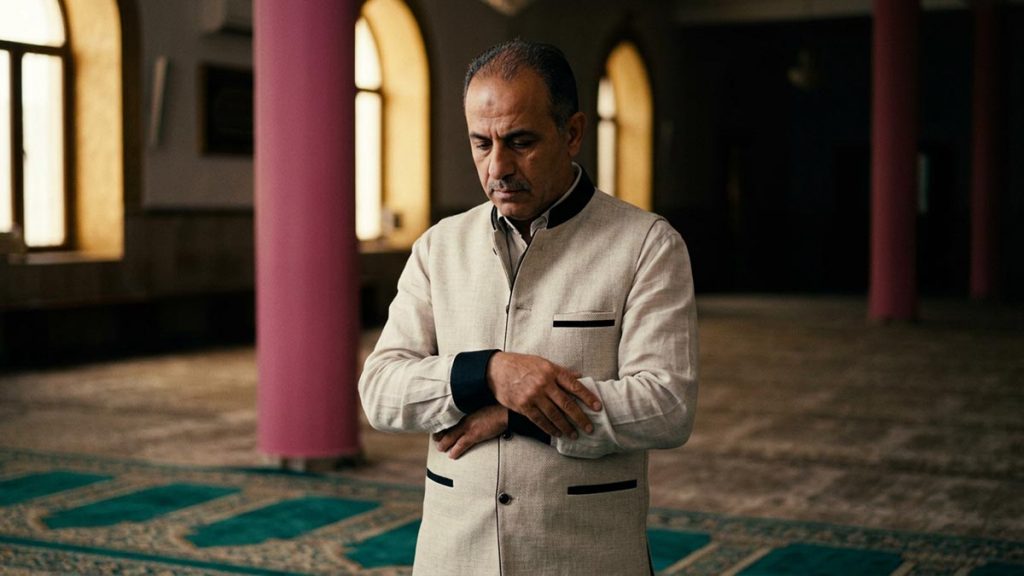
After the worshipper raises their hands and says the opening takbir to begin the prayer, there is a moment of silence before reciting Surah Al-Fatihah. In that moment, the Prophet Muhammad (pbuh) would quietly recite an opening supplication known as Dua al-Istiftah, the supplication of beginning. It is a beautiful private prayer between the worshipper and Allah, asking to be cleansed of sins and prepared to stand before Him, setting the tone for the entire prayer that follows.
اللَّهُمَّ بَاعِدْ بَيْنِي وَبَيْنَ خَطَايَايَ كَمَا بَاعَدْتَ بَيْنَ الْمَشْرِقِ وَالْمَغْرِبِ، اللَّهُمَّ نَقِّنِي مِنْ خَطَايَايَ كَمَا يُنَقَّى الثَّوْبُ الْأَبْيَضُ مِنَ الدَّنَسِ، اللَّهُمَّ اغْسِلْنِي مِنْ خَطَايَايَ بِالْمَاءِ وَالثَّلْجِ وَالْبَرَدِ
Allāhumma bā‘id baynī wa bayna khatāyāya kamā bā‘adta baynal-mashriqi wal-maghrib, Allāhumma naqqinī min khatāyāya kamā yunaqqath-thawbul-abyadu minad-danas, Allāhumma-ghsilnī min khatāyāya bil-mā’i wath-thalji wal-barad.
“O Allah, distance me from my sins as You have distanced the East from the West. O Allah, cleanse me of my sins as a white garment is cleansed of dirt. O Allah, wash away my sins with water, snow and hail.”
There are several authentic versions of Dua al-Istiftah taught by the Prophet (pbuh), and the worshipper may choose any of them. One of the most beautiful asks Allah to distance the worshipper from their sins and to wash them clean, while another, beginning with Subhanaka Allahumma, glorifies and praises Allah. All of them serve the same purpose: to open the heart in humility and readiness before reciting the words of Allah.
This guide explains Dua al-Istiftah, its place in the prayer, its meaning, the different versions, and five things to know about this opening supplication, so that the worshipper may begin their prayer as the Prophet (pbuh) did, with a heart turned humbly to Allah and prepared to stand before Him.
What Is Dua al-Istiftah?
Dua al-Istiftah is the opening supplication recited silently at the very start of the prayer, after the worshipper says the opening takbir and before reciting Surah Al-Fatihah. The word istiftah means opening or beginning, and this supplication opens the prayer with words of humility, praise and seeking purification. It was the consistent practice of the Prophet Muhammad (pbuh), who would pause briefly after the takbir and quietly recite one of these supplications.
When the companions noticed the Prophet (pbuh) staying silent for a moment between the takbir and the recitation, they asked him what he was saying. He told them of this supplication, asking Allah to distance him from his sins and wash him clean, like a white garment cleansed of dirt. This shows that Dua al-Istiftah is a recommended Sunnah, a beautiful way to begin the prayer, though the prayer remains valid even for one who does not recite it. The companions paid close attention to the smallest details of how the Prophet (pbuh) prayed, and their questions preserved for us even the quiet supplications he made between the takbir and the recitation, so that nothing of his beautiful example was lost.
Dua al-Istiftah is recited only once, at the beginning of the prayer, in the first unit. It is said quietly, whether the prayer itself is silent or aloud, for it is a private supplication between the worshipper and Allah. By beginning with these words, the worshipper prepares their heart, seeks to stand before Allah in a state of purity, and enters the recitation of the Quran with humility and presence. This brief pause after the takbir marks the transition from the world outside into the sacred conversation of the prayer, allowing the worshipper to leave their distractions behind and turn fully toward Allah before a single verse is recited.
اللَّهُمَّ بَاعِدْ بَيْنِي وَبَيْنَ خَطَايَايَ كَمَا بَاعَدْتَ بَيْنَ الْمَشْرِقِ وَالْمَغْرِبِ
Allahumma ba‘id bayni wa bayna khatayaya kama ba‘adta baynal-mashriqi wal-maghrib
O Allah distance me from my sins as the East from the West
The Meaning of the Opening Supplication
The version of Dua al-Istiftah quoted above is rich with beautiful imagery. The worshipper asks Allah to place a great distance between them and their sins, as far as the East is from the West, expressing the hope to be completely separated from wrongdoing. They then ask to be cleansed of sins as a white garment is cleansed of dirt, and to be washed with water, snow and hail, images of thorough and complete purification.
These vivid images teach the worshipper to seek a deep cleansing of the soul before standing in conversation with Allah. Just as one would not stand before a king in soiled clothing, the worshipper asks Allah to purify their heart of the stains of sin before reciting His words. It reflects a beautiful humility, acknowledging one’s shortcomings and turning to Allah for the cleansing that prepares the heart for sincere worship. The worshipper begins not by claiming worthiness, but by admitting their need to be purified, and this honest humility is exactly the state in which the heart is most open to the mercy and nearness of Allah.
Another widely recited version begins with Subhanaka Allahumma wa bihamdik, glory be to You, O Allah, and praise be to You; blessed is Your name and exalted is Your majesty, and there is no god but You. This version opens the prayer with the glorification and praise of Allah, declaring His perfection before beginning the recitation. Both versions, and others taught by the Prophet (pbuh), are authentic, and the worshipper may choose whichever they find most meaningful.
وَنَقِّنِي مِنَ الْخَطَايَا كَمَا يُنَقَّى الثَّوْبُ الْأَبْيَضُ مِنَ الدَّنَسِ
Wa naqqini minal-khataya kama yunaqqath-thawbul-abyadu minad-danas
Cleanse me of my sins as a white garment is cleansed of dirt
Five Things to Know About Dua al-Istiftah
Dua al-Istiftah is a beloved Sunnah of beginning the prayer. These five points help the worshipper understand and recite it well.
- It is recited once, at the start of the prayer, after the takbir and before Surah Al-Fatihah.
- It is said silently, whether the prayer is silent or aloud, as a private supplication to Allah.
- There are several authentic versions, and the worshipper may choose any one taught by the Prophet (pbuh).
- It is a recommended Sunnah, beloved and rewarding, though the prayer is valid without it.
- It prepares the heart, opening the prayer with humility, praise and seeking purification.
اللَّهُمَّ اغْسِلْنِي مِنْ خَطَايَايَ بِالْمَاءِ وَالثَّلْجِ وَالْبَرَدِ
Allahummaghsilni min khatayaya bil-ma’i wath-thalji wal-barad
O Allah wash away my sins with water and snow
Choosing a Version of Dua al-Istiftah
Because the Prophet (pbuh) taught several versions of Dua al-Istiftah, the worshipper has a beautiful variety to choose from. Some are short, like the Subhanaka Allahumma version, which is easy to memorise and widely taught to children and new Muslims. Others, like the version asking to be cleansed as a white garment, are a little longer and rich with imagery. The worshipper may settle on one they love, or vary between them in different prayers, following the Sunnah. Each authentic version is a gift, and there is no wrong choice among the supplications the Prophet (pbuh) himself recited at the opening of his prayer.

It is recommended to understand the meaning of whichever version one recites, so that the words are not merely repeated but felt. When the worshipper knows they are asking Allah to distance them from sin, or glorifying His perfect name, the supplication becomes a moment of true connection at the very start of the prayer. This presence of heart is the spirit of Dua al-Istiftah, turning the opening of the prayer into sincere worship.
For those new to the prayer, it is perfectly fine to begin with the shortest version and learn the others gradually. The most important thing is to begin the prayer with humility and focus, turning the heart to Allah. As the worshipper grows in their prayer, they can add the longer supplications and deepen their understanding, enriching this beautiful Sunnah of opening the prayer. What matters most is not the length of the words but the sincerity behind them, for a short supplication said with a present heart is far better than a long one recited absently, and the worshipper grows into the fuller versions naturally over time.
Beginning the Prayer with Humility
Dua al-Istiftah opens the prayer the way the Prophet (pbuh) opened his, with a heart turned humbly to Allah and seeking to be cleansed before Him. Whether the worshipper recites the version asking to be washed white as a clean garment, or the one glorifying the perfect name of Allah, this opening supplication prepares the soul for the conversation with Allah that is the prayer. By making it a regular habit, the worshipper begins each prayer in humility, presence and readiness to stand before their Lord. Over time, this small Sunnah transforms the very start of the prayer from a hurried entry into a deliberate, heartfelt turning toward Allah, setting a tone of focus and devotion that carries through every position that follows.
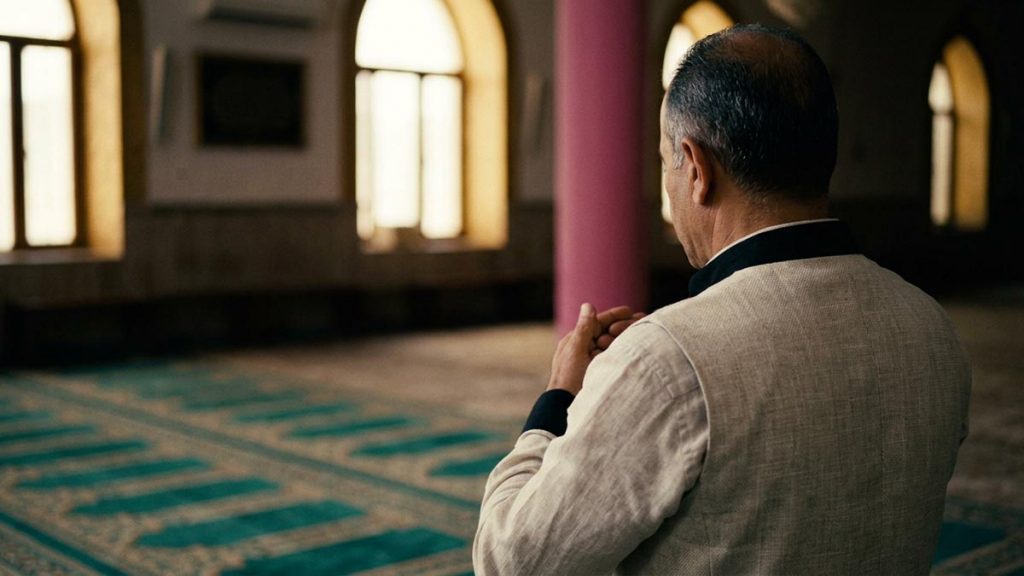
This supplication pairs naturally with the dua before salah as one prepares for prayer, and the dua in sujood at the prayer’s closest moment. Together they help the worshipper fill their prayer with humble, beautiful supplication from beginning to end.
The Prophet (pbuh) opened his prayer with a quiet supplication, asking Allah to cleanse him before standing in worship. Learn the duas of salah with us on YouTube, where the supplications are recited aloud, on TikTok for a reminder to begin your prayer with humility, and on Facebook where readers share how they perfect their prayer.
Frequently Asked Questions
Dua al-Istiftah is the opening supplication recited silently after the takbir and before Surah Al-Fatihah, asking Allah to cleanse the worshipper of sins. It was the practice of the Prophet (pbuh) at the start of the prayer.
It is recited once, at the very beginning of the prayer in the first unit, after the opening takbir and before reciting Surah Al-Fatihah. It is said silently in every prayer.
No, it is a recommended Sunnah, beloved and rewarding, but the prayer remains valid without it. Still, reciting it follows the practice of the Prophet (pbuh) and beautifies the prayer.
There are several authentic versions, including the one asking to be cleansed as a white garment, and the Subhanaka Allahumma version glorifying Allah. The worshipper may choose any taught by the Prophet (pbuh).
No, it is said silently, whether the prayer itself is silent or recited aloud, because it is a private supplication between the worshipper and Allah. Only the worshipper hears it.
In one version it asks Allah to distance the worshipper from sins as far as the East is from the West, and to wash them clean. It opens the prayer with humility and seeking purification before Allah.