
Dua Against Oppression
3 Promises for the Oppressed

Oppression is among the gravest of wrongs, and Islam gives the oppressed a powerful weapon: the supplication that pierces the heavens. The dua against oppression draws on the cry of Prophet Nuh, who, after being rejected and wronged by his people, turned to Allah and said that he was overpowered, asking Allah to help him. The Prophet Muhammad (pbuh) warned that the supplication of the oppressed is answered, for there is no barrier between it and Allah.
This guide explains the dua against oppression, the meaning of crying out to Allah when overpowered, and three promises Allah gives the oppressed, so that those who suffer injustice may find hope and strength in turning to Allah, certain that He hears the cry of the wronged and that justice rests in His hands.
The Meaning of the Dua Against Oppression
The dua against oppression is the cry of Prophet Nuh, recorded in Surah Al-Qamar. After centuries of calling his people to Allah, only to be mocked, rejected and wronged, Nuh turned to Allah and said simply that he was overpowered, and asked Allah to help him. It is a short but profound supplication, the cry of one who has exhausted every means and now places his cause entirely in the hands of Allah, the only one able to bring justice and relief.
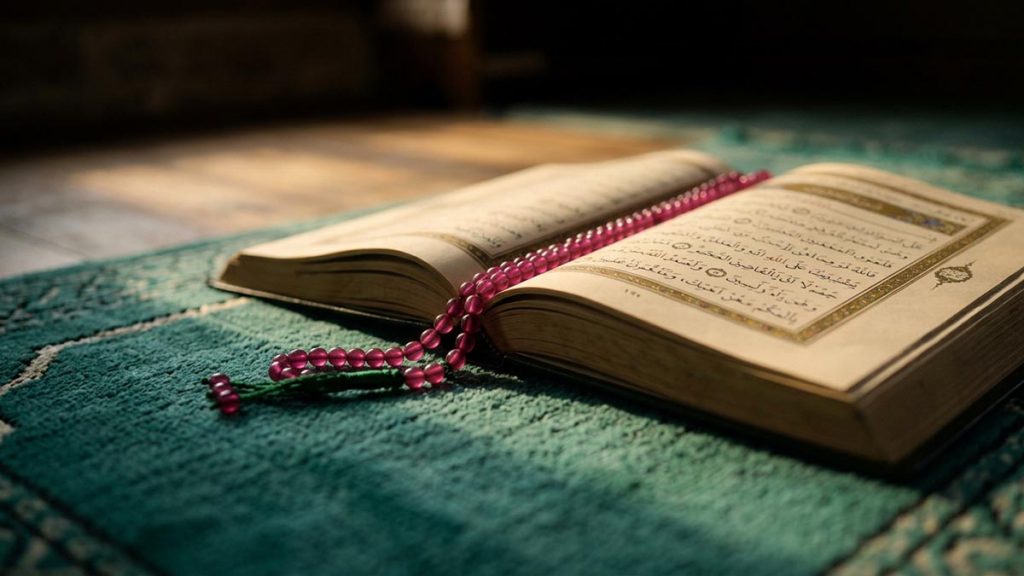
This dua teaches the oppressed where true help lies. When a person is wronged and has no power to defend themselves, they are not helpless, for they have recourse to Allah, before whom the mightiest oppressor is powerless. The Prophet (pbuh) warned about the supplication of the oppressed, saying there is no barrier between it and Allah, and urging the believer to fear it even against a disbeliever. The cry of the wronged reaches Allah directly, and He answers it in His wisdom and time.
أَنِّي مَغْلُوبٌ فَانْتَصِرْ
Anni maghlubun fantasir
My Lord I am overpowered so help me against injustice
Three Promises for the Oppressed
Allah gives the oppressed who turn to Him powerful promises of help and justice. These three bring hope to the wronged.
- The dua of the oppressed is answered, for no barrier stands between it and Allah.
- Allah is the helper of the wronged, and the oppressor will never escape His justice.
- Patience brings reward, as the believer trusts that justice rests in the hands of Allah.
وَلَا تَحْسَبَنَّ اللَّهَ غَافِلًا عَمَّا يَعْمَلُ الظَّالِمُونَ
Wa la tahsabannallaha ghafilan ‘amma ya‘maluz-zalimun
And never think that Allah is unaware of what the wrongdoers do
Turning to Allah Against Injustice
To suffer oppression with no power to resist is one of the hardest of trials, yet the believer is never without recourse. The dua against oppression places the wronged person’s cause in the hands of Allah, who hears the supplication of the oppressed and lets nothing stand between it and Him. While seeking justice through lawful means, the believer turns to Allah with this cry, certain that He is the helper of the wronged and that no oppressor escapes His justice.

This supplication reflects the trust at the heart of patience in Islam, and pairs naturally with the dua for protection from harm. Together they give the oppressed both hope and refuge, placing their cause and their relief in the hands of Allah, who is the most just of all and never forgets the wronged.
The cry of the oppressed reaches Allah directly, for no barrier stands between it and Him. Learn the protection duas with us on YouTube, where the supplications are recited aloud, on Threads for a reminder that Allah helps the wronged, and on LinkedIn where readers share how they find hope in turning to Allah against injustice.
Frequently Asked Questions
The dua against oppression is the Quranic cry of Prophet Nuh, Rabbi inni maghlubun fantasir, My Lord, I am overpowered, so help me. He said it after being wronged by his people, placing his cause in the hands of Allah.
The Prophet (pbuh) taught that the supplication of the oppressed is answered, for there is no barrier between it and Allah, though He answers in His wisdom and time. The cry of the wronged reaches Allah directly.
Say it when you are wronged and have no power to defend yourself, placing your cause in the hands of Allah. It is the recourse of the oppressed, who turn to the One able to bring justice.
The Prophet (pbuh) warned severely against oppression, calling it darkness on the Day of Judgement, and urged fearing the supplication of the oppressed. Allah is the helper of the wronged and no oppressor escapes His justice.
Yes, the believer turns to Allah while also seeking justice through lawful means, as Islam upholds both trust in Allah and the pursuit of justice. The dua strengthens the heart alongside rightful action.
The believer trusts that justice rests in the hands of Allah, who is never unaware of what wrongdoers do and will set every matter right. Patience under oppression brings great reward from Allah.