
What Are Ajwa Dates and Why Are They So Blessed?
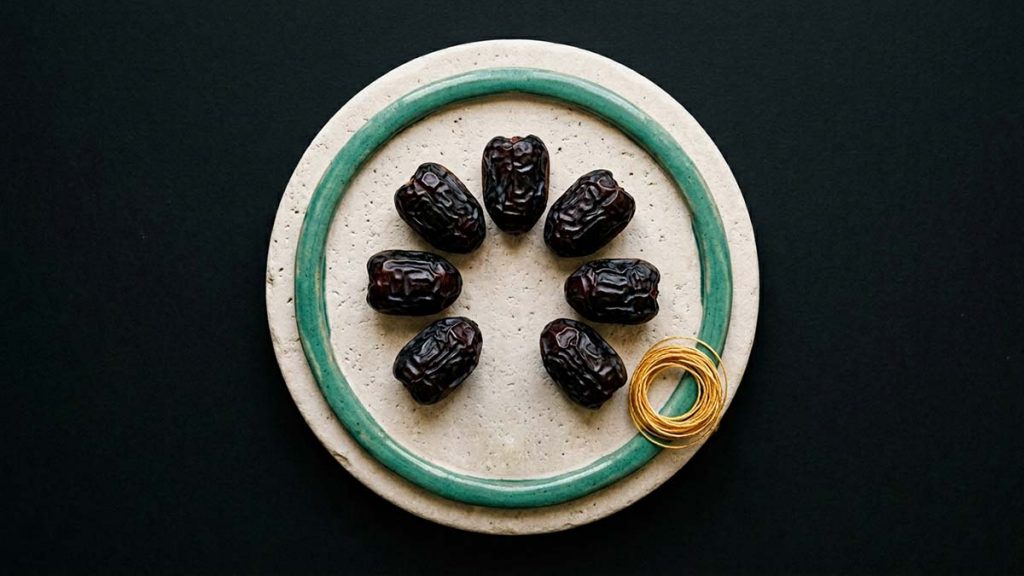
Ajwa dates are among the most treasured foods in all of Islam. Grown in the city of Madinah and beloved by the Prophet Muhammad (pbuh), these soft, dark, mildly sweet dates are far more than a delicacy. They are tied to authentic hadith describing remarkable blessings, which is why Muslims around the world seek them out with such reverence.
Smaller, softer and richer than many other varieties, Ajwa dates carry a unique place in Islamic tradition. In this guide we explain what they are, why they are considered so blessed, the famous hadith of seven dates, their roots in Madinah, their link to breaking the fast, the nutrition behind them and how to choose and enjoy the genuine fruit.
فِي عَجْوَةِ الْعَالِيَةِ شِفَاءٌ أَوَّلَ الْبُكْرَةِ عَلَى رِيقٍ
“In the Ajwa of al-Aliyah there is healing, taken first thing in the morning on an empty stomach.”
What Are Ajwa Dates?
Ajwa dates are a special variety of date grown in and around Madinah in Saudi Arabia. They are small to medium in size, soft and almost jam-like in texture, with a deep brownish-black colour and a gentle, subtle sweetness quite unlike the rich caramel of a Medjool. Among the many varieties of dates, they are perhaps the most revered.

What truly sets them apart is their connection to the Prophet Muhammad (pbuh) and the city he loved. According to tradition, the very first Ajwa palm was planted by his own blessed hands, giving this fruit a closeness to him that no other variety shares.
That single connection has shaped the way Muslims regard them for centuries, lifting a simple date into something approached with quiet reverence and love.
For this reason Ajwa dates are not treated as an everyday snack but as a blessed and slightly luxurious food. Pilgrims returning from Hajj and Umrah often bring them home as treasured gifts, sharing a taste of Madinah with family and friends.
Seven of these dates eaten in the morning guard the one who takes them from harm by poison and magic
Their reputation has spread far beyond Arabia, and today they are sought after by Muslims across the world who long to taste a food so closely tied to the Prophet (pbuh) and the city of his mosque. Few other foods carry such a tender link to a person and a place.
6 Reasons Ajwa Dates Are Treasured
Few foods are held in such high regard. Here are six reasons Ajwa dates are so deeply treasured by Muslims.
Each of these reasons blends faith, history and flavour, which together give them a standing few other foods can match. For many Muslims, simply keeping a box of them at home feels like holding a small piece of Madinah close.
- They were beloved by the Prophet (pbuh) himself
- Authentic hadith describe their protection and healing
- They grow in the blessed city of Madinah
- They are soft, naturally sweet and full of goodness
- They make a cherished gift from Hajj and Umrah
- They are nutritious and rich in essential minerals
The lofty palm trees stand in rows heavy with clustered fruit a provision from the Lord
The Hadith of Seven Ajwa Dates
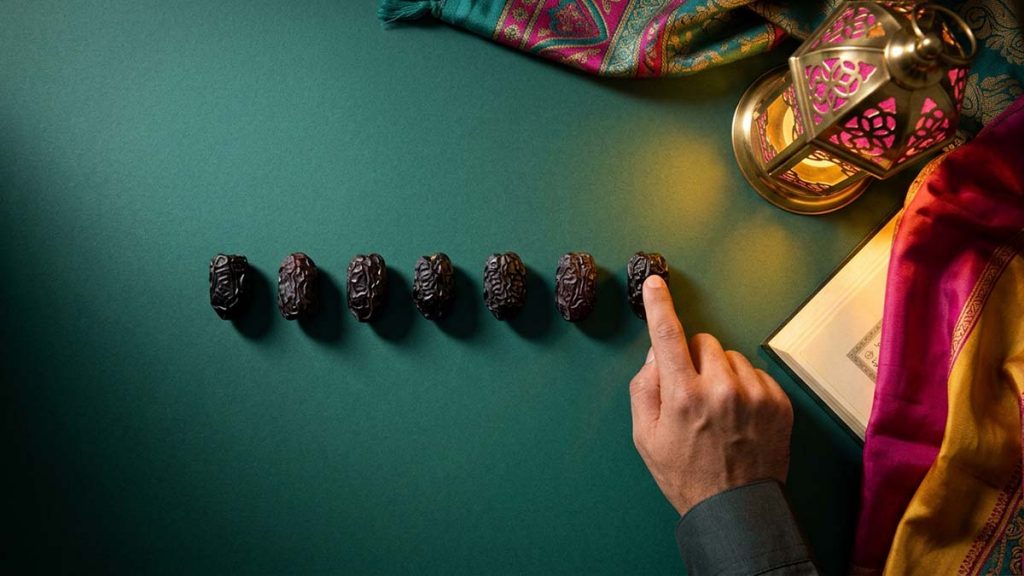
The fame of this fruit rests above all on a famous and authentic hadith. The Prophet Muhammad (pbuh) taught that whoever eats seven Ajwa dates in the morning will not be harmed by poison or magic that day, a blessing Muslims hold in deep respect.
Another narration describes the Ajwa as being from Paradise and containing a cure. Scholars note that such blessings are a mercy from Allah tied to faith and the specific dates of Madinah, rather than a property a believer can claim from any date anywhere.
The scholars explain that the blessing applies most strongly to the genuine Ajwa of Madinah, eaten with sincere faith and trust in Allah. It is a gift of mercy, never a charm, and it never replaces gratitude or sensible care of one’s own health.
These teachings are why the fruit is approached with sincerity and trust in Allah. Muslims eat them hoping for the blessing the Prophet (pbuh) described, while always seeking proper medical care when they are unwell.
The Ajwa is from Paradise a wholesome and blessed food and in it there is a cure for the one who eats with faith
This balance, hoping for the blessing while taking practical steps, reflects the wider teaching of Islam, which joins trust in Allah with sensible action in every part of life.
Rooted in the City of Madinah
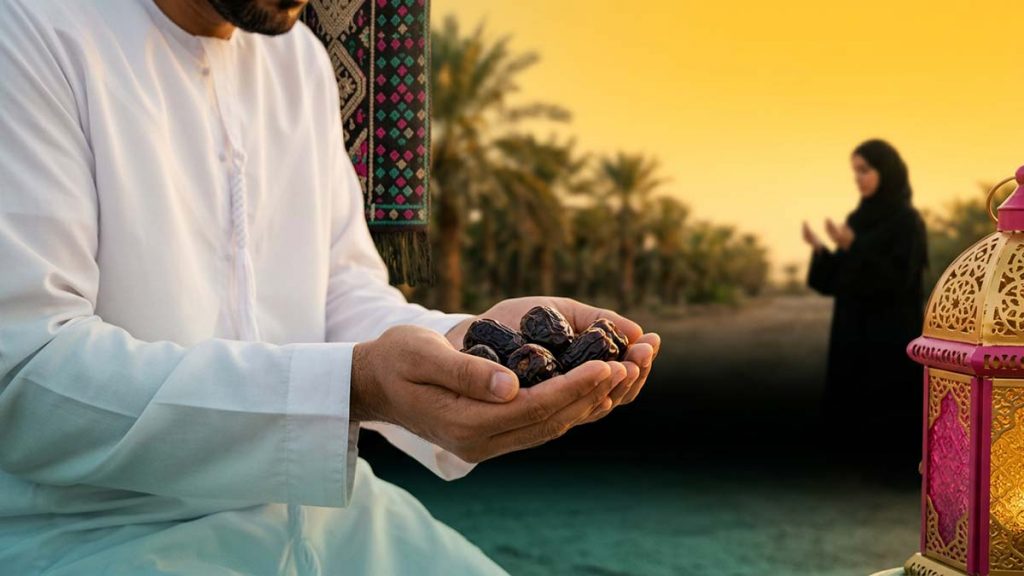
These dates are inseparable from Madinah, the radiant city that was home to the Prophet Muhammad (pbuh) and the heart of the early Muslim community. The palms still grow in its fertile groves, and the fruit carries the air of a place beloved to every believer, near the Prophet’s Mosque.
Because they come from this blessed soil, Ajwa dates feel like a tangible link to the city of the Prophet (pbuh). Eating them is, for many, a way of remembering Madinah and the longing to visit it that lives in so many hearts.
For pilgrims who walk its streets, buying these dates fresh from the local markets is a treasured moment, and carrying them home becomes a way of holding on to the peace of the city a little longer. Each one eaten afterwards brings back the memory of being there.
Breaking the Fast With Ajwa
Like all dates, Ajwa are a beautiful way to break the fast, and many consider it a special blessing to open their fast in Ramadan with this particular variety. Their soft texture and gentle sweetness make them easy on the stomach after a long day.
Beginning the fast with a few of them follows the Sunnah while adding the reverence this fruit inspires. For those fortunate enough to have genuine Ajwa, it turns the nightly moment of breaking the fast into something especially meaningful.
Break your fast upon a date for in it is blessing and ease and goodness for the believer
Some keep a small store of them just for the holy month, savouring the sense of blessing they bring to each evening. Whether eaten alone or shared with family at the table, they make the simple act of breaking the fast feel rich with meaning and gratitude.
The Nutrition Behind Them
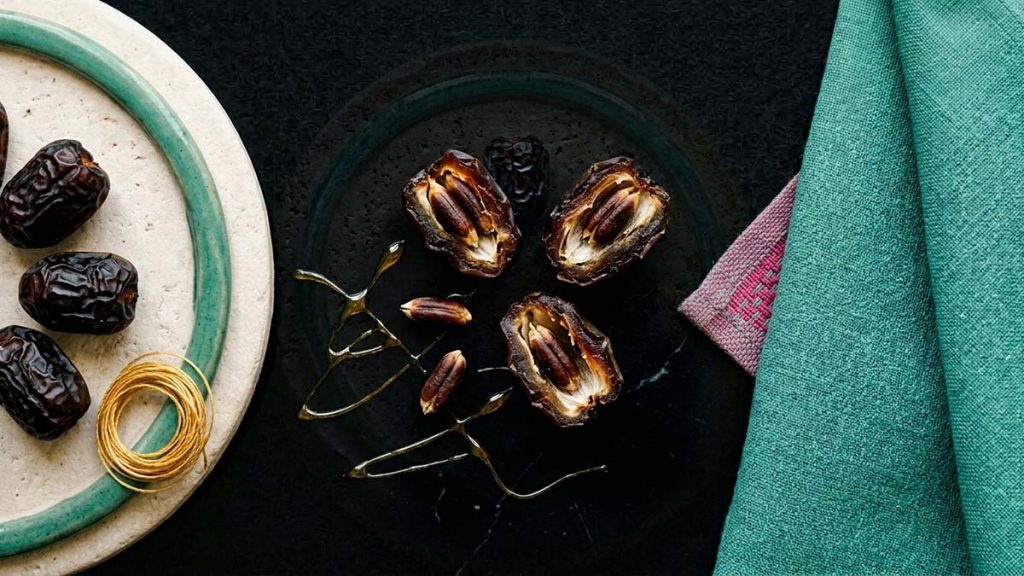
Beyond their spiritual value, these are a genuinely nourishing fruit. Ajwa dates are rich in fibre, potassium, magnesium and natural antioxidants, supporting heart health, digestion and steady energy in the same way other quality dates do.
They are naturally free from cholesterol and fat, and their slow-releasing energy makes them a smart and wholesome choice for anyone needing a gentle lift during a busy or fasting day.
Their natural sugars, cushioned by fibre, make them a wholesome source of quick energy, while their minerals contribute usefully to a balanced diet. Researchers have shown particular interest in their antioxidant content, adding a modern note to their long-celebrated reputation.
Ajwa dates grow in Madinah soft and dark and sweet rich in minerals and antioxidants and prized for centuries
None of this is a substitute for proper medical care, and the wise believer simply enjoys them as a nourishing food while trusting Allah for healing. Seen this way, their nutrition and their blessing sit comfortably side by side.
How to Choose and Enjoy Them
Genuine Ajwa dates are soft, dry to the touch rather than sticky, and a deep brownish-black with fine wrinkles. Because they are prized, it is worth buying from trusted sellers to be sure you are getting the real fruit of Madinah rather than a lookalike. They are lovely presented in a date box as a gift.
Enjoy them simply, a few at a time, ideally in the morning following the Sunnah, or to break the fast at sunset. They pair beautifully with a glass of milk or water and need no embellishment to shine.
It is also lovely to share them at gatherings or to offer to guests, letting others taste a food so closely linked to the Prophet (pbuh) and the blessed city of Madinah. A small dish of them on the table is a quiet act of generosity in itself.
However you eat them, receive them with gratitude to Allah, Ar-Razzaq, the Provider. Each Ajwa carries the memory of Madinah, the love of the Prophet (pbuh) and the blessings he so beautifully described.
Few gifts feel as special as genuine dates from Madinah, and we love sharing their story across our channels. Find us on YouTube, Facebook and X.
Frequently Asked Questions
Ajwa dates are a soft, dark, mildly sweet variety grown in Madinah. Beloved by the Prophet (pbuh) and tied to authentic hadith describing protection and healing, they are among the most treasured foods in Islam.
They are linked to the Prophet (pbuh), who praised them, and tradition holds that the first Ajwa palm was planted by his own hands. Authentic hadith describe blessings in eating them, which is why they are so revered.
The Prophet (pbuh) taught that whoever eats seven Ajwa dates in the morning will not be harmed by poison or magic that day. Scholars note this blessing is a mercy from Allah tied to these dates of Madinah.
They grow in and around the city of Madinah in Saudi Arabia. Pilgrims returning from Hajj and Umrah often bring them home as treasured gifts, sharing a taste of the blessed city.
Yes. Like other quality dates they are rich in fibre, potassium, magnesium and antioxidants, supporting heart health, digestion and steady energy, with researchers showing particular interest in their antioxidant content.
Real Ajwa are soft, dry rather than sticky, and deep brownish-black with fine wrinkles. Because they are prized and often imitated, it is best to buy from trusted, reputable sellers.