
Dua for Ramadan
5 Ways to Welcome the Blessed Month
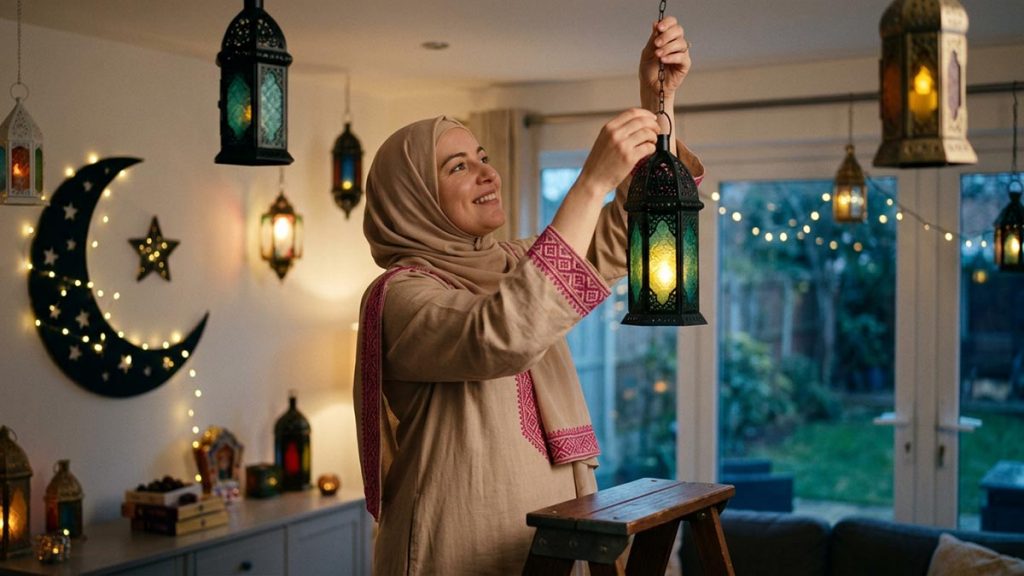
Ramadan, the blessed month of fasting, is the most beloved season of the year for the believer, a month of mercy, forgiveness and freedom from the Fire. As its crescent appears, the heart fills with joy and longing, and the believer turns to Allah with a beautiful supplication, asking that the month be brought over them with security, faith, peace and Islam. The dua for Ramadan welcomes this sacred month with hope, preparing the heart to receive the mercy and blessings that Allah pours out within it. Just as a host prepares for a noble guest, the believer prepares for Ramadan, clearing away distractions and readying the heart so that nothing stands between them and the goodness of the month.
اللَّهُمَّ أَهِلَّهُ عَلَيْنَا بِالْأَمْنِ وَالْإِيمَانِ، وَالسَّلَامَةِ وَالْإِسْلَامِ، رَبِّي وَرَبُّكَ اللَّهُ
Allāhumma ahillahu ‘alaynā bil-amni wal-īmān, was-salāmati wal-Islām, rabbī wa rabbukal-lāh.
“O Allah, bring it over us with security and faith, with peace and Islam. My Lord and your Lord is Allah.”
The Prophet Muhammad (pbuh) gave glad tidings of Ramadan, teaching that its arrival opens the gates of Paradise, closes the gates of the Fire, and chains the devils, while a caller invites the seekers of good to come forward. To greet such a month with the right supplication and intention is the way of the believer who longs to make the most of it. The dua for Ramadan turns to Allah at the very start, asking for a blessed and accepted month. Beginning with supplication rather than rushing into the routine of fasting sets the tone for everything that follows, anchoring the whole month in a conscious turning toward Allah and a clear intention to seek His pleasure.
This guide explains the dua for Ramadan, its meaning, and five ways to welcome the blessed month, so that the believer may prepare their heart for the days of fasting and the nights of prayer, entering Ramadan with sincere intention, joyful longing, and hope in the boundless mercy and forgiveness that Allah grants to those who fast and stand in faith.
Welcoming Ramadan with Faith and Peace
When the Prophet (pbuh) saw the new crescent, he would recite a beautiful supplication, the words quoted above, asking Allah to bring the new month over the believers with security and faith, with peace and Islam. Though recited for any new month, this dua is especially beloved at the sighting of the Ramadan crescent, when the believer asks that the blessed month be a time of safety, strengthened faith, and submission to Allah. It sets the heart in a state of hope and longing. There is a beautiful humility in greeting the month with a request rather than mere celebration, for the believer acknowledges that even the ability to fast and worship is a gift that must be asked for from Allah.
Each quality in this supplication is precious. The believer asks for security, that the month be free of harm and fear; for faith, that it strengthen their belief and certainty; for peace, that it bring tranquillity and well-being; and for Islam, that it deepen their submission to Allah. By asking for all of these at the start of the month, the believer prepares to receive Ramadan in the best state, ready to fast, pray and draw near to Allah with a heart filled with faith. The one who enters Ramadan having asked for these qualities approaches the month not anxiously but with trust, knowing that the One who brought the month over them will also help them to honour it.
اللَّهُمَّ أَهِلَّهُ عَلَيْنَا بِالْأَمْنِ وَالْإِيمَانِ
Allahumma ahillahu ‘alayna bil-amni wal-iman
Bring it over us with faith and with peace
The Glad Tidings of the Blessed Month
The Prophet (pbuh) would give his companions glad tidings of the coming of Ramadan, teaching that it is a blessed month in which Allah has made fasting obligatory. He taught that when Ramadan begins, the gates of Paradise are opened, the gates of the Fire are closed, and the devils are chained, so that the believer finds it easier to do good and harder to fall into sin. These glad tidings fill the heart with eagerness to welcome the month. The chaining of the devils does not remove all temptation, but it weakens the pull toward sin, so that the believer who strives finds the path of obedience smoother and the sweetness of worship easier to taste than at any other time of the year.
He also taught that a caller calls out each night of Ramadan: O seeker of good, come forward, and O seeker of evil, hold back, while Allah frees servants from the Fire every night. Knowing the immense mercy that pours down in Ramadan, the believer welcomes it not as a burden, but as a beloved guest and a precious opportunity. The dua for Ramadan expresses this joy, turning to Allah to make the most of the blessed days and nights. Every night that a servant is freed from the Fire is a night of immense mercy, and the believer who knows this counts the nights of Ramadan as treasures, fearful of letting a single one slip by in heedlessness.
فُتِّحَتْ أَبْوَابُ الْجَنَّةِ
Futtihat abwabul-jannah
The gates of Paradise are opened
A Month of the Quran
Ramadan is the month in which the Quran was first revealed, a guidance for humankind and a criterion between truth and falsehood. Allah describes it in His Book as the month of the Quran, and the believer honours this by drawing closer to the Quran during Ramadan, reciting it, reflecting on its meanings, and living by its guidance. The Prophet (pbuh) would review the Quran with the angel Jibril each Ramadan, showing the special bond between this month and the Book of Allah. This nightly review reminds the believer that Ramadan is not only a month of restraint from food and drink, but above all a month of returning to the Quran, drawing from it the guidance and light that the fasting heart is most ready to receive.
Welcoming Ramadan therefore includes renewing the relationship with the Quran, setting an intention to recite it generously and to act upon what it teaches. Many believers complete the recitation of the entire Quran during the blessed month, while others read with reflection and study. By making the Quran a central part of Ramadan, the believer connects with the very purpose for which the month was honoured, filling the days of fasting with the light and guidance of the words of Allah. The hunger of the body sharpens the attention of the soul, so that the verses recited in Ramadan often touch the heart more deeply than at other times, making the month a precious season for reflection and change.
شَهْرُ رَمَضَانَ الَّذِي أُنْزِلَ فِيهِ الْقُرْآنُ
Shahru Ramadanal-ladhi unzila fihil-Qur’an
The month of Ramadan in which the Quran was revealed
Five Ways to Welcome the Blessed Month
Welcoming Ramadan well sets the heart for a blessed and rewarding month. These five ways help the believer prepare for the blessed month so that none of its precious days are wasted and every one becomes a step toward the mercy of Allah.
- Recite the dua for the new month, asking Allah to bring Ramadan over you with faith and peace.
- Make a sincere intention to fast for the sake of Allah and to seek His forgiveness and reward.
- Renew your bond with the Quran, planning to recite it generously and reflect on its guidance.
- Prepare your heart and habits, turning from idle pursuits toward worship, charity and good character.
- Resolve to seek the Night of Decree, intending to intensify worship in the last ten nights.
Entering Ramadan with a Longing Heart
The dua for Ramadan welcomes the blessed month with faith, peace and joyful longing, the way the believer should greet such a beloved season. By reciting the supplication for the new month, making a sincere intention, renewing the bond with the Quran, preparing the heart and habits, and resolving to seek the Night of Decree, the believer enters Ramadan in the best state. The Prophet (pbuh) gave glad tidings of a month whose gates of Paradise are opened, and the believer welcomes it with eagerness to make the most of every day and night. There is no surer sign of a heart that loves Allah than its joy at the arrival of a season of worship, and the believer who greets Ramadan this way has already taken the first step toward a fruitful and blessed month.

This supplication pairs naturally with the dua for suhoor as the days of fasting begin, and the dua for Laylat al-Qadr for the most blessed night. Together they help the believer fill the blessed month with fasting, prayer and the remembrance of Allah.
As the crescent of Ramadan appears, the believer welcomes the blessed month with faith, peace and joyful longing. Learn the duas of Ramadan with us on YouTube, where the supplications are recited aloud, on Instagram for a reminder to prepare your heart for the blessed month, and on Threads where readers share how they welcome Ramadan.
Frequently Asked Questions
The dua for Ramadan is the supplication for the new month: Allahumma ahillahu alayna bil-amni wal-iman, was-salamati wal-Islam, O Allah bring it over us with security and faith, with peace and Islam. It welcomes the blessed month with hope.
It is recited upon sighting the new crescent of Ramadan, welcoming the blessed month. Though the Prophet (pbuh) recited it for any new month, it is especially beloved at the start of Ramadan.
Because in Ramadan the gates of Paradise are opened, the gates of the Fire are closed, the devils are chained, and Allah frees servants from the Fire every night. It is a month of mercy, forgiveness and the Quran.
Recite the dua for the new month, make a sincere intention to fast, renew your bond with the Quran, prepare your heart and habits, and resolve to seek the Night of Decree. These prepare the believer for a blessed Ramadan.
Because the Quran was first revealed in Ramadan as a guidance for humankind. The Prophet (pbuh) reviewed the Quran with Jibril each Ramadan, and believers draw closer to the Quran throughout the blessed month.
The best intention is to fast purely for the sake of Allah, seeking His forgiveness and reward, and to make the most of the month in worship, charity and good character. A sincere intention earns the promise of forgiveness.