
Dua for Forgiveness After Salah
3 Ways to Seek Allah’s Pardon
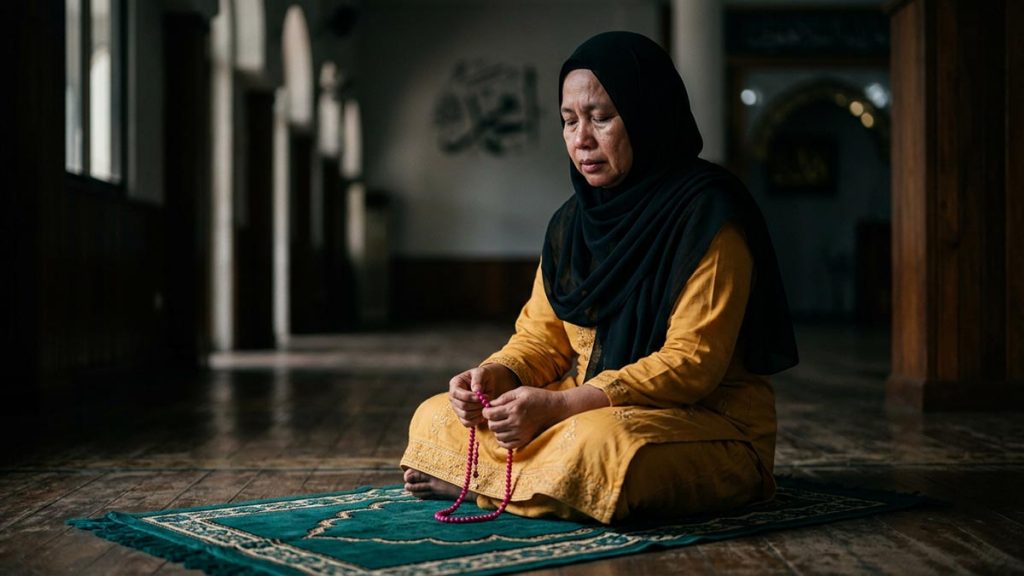
After completing the prayer, the believer turns to Allah seeking His forgiveness, for no act of worship is free of shortcoming and the heart longs to be pardoned. The Prophet Muhammad (pbuh) would seek the forgiveness of Allah immediately after finishing his prayer, saying astaghfirullah, and he taught beautiful supplications of repentance to recite often. The dua for forgiveness after salah is this turning to Allah at the close of the prayer, asking Him to pardon any shortcoming and accept the repentance of His servant.
رَبِّ اغْفِرْ لِي وَتُبْ عَلَيَّ إِنَّكَ أَنْتَ التَّوَّابُ الرَّحِيمُ
Rabbi-ghfir lī wa tub ‘alayya innaka antat-tawwābur-rahīm.
“My Lord, forgive me and accept my repentance; indeed You are the Acceptor of repentance, the Merciful.”
Seeking forgiveness after worship is a beautiful humility, acknowledging that even our prayer falls short of the majesty of Allah and depends on His mercy for acceptance. This guide explains the dua for forgiveness after salah and three ways to seek Allah’s pardon, so that the believer may complete every prayer by turning to Allah in repentance, asking for His forgiveness and trusting in His boundless mercy to accept and pardon.
Seeking Pardon at the Close of Prayer
When the Prophet (pbuh) finished his prayer, the first thing he would do was seek the forgiveness of Allah, saying astaghfirullah three times before continuing with the remembrances after the prayer. He also taught beautiful supplications of repentance to recite often, including the words quoted above: my Lord, forgive me and accept my repentance; indeed You are the Acceptor of repentance, the Merciful. This shows the beauty of sealing the prayer with the seeking of forgiveness.

It may seem surprising that the Prophet (pbuh) sought forgiveness right after worship, but it teaches a profound humility: that no prayer fully matches the majesty of Allah, and the believer always stands in need of His pardon. By seeking forgiveness after salah, the believer acknowledges their shortcomings and depends on the mercy of Allah for acceptance. The dua for forgiveness after salah completes the prayer with repentance, turning to the Acceptor of repentance.
رَبِّ اغْفِرْ لِي وَتُبْ عَلَيَّ إِنَّكَ أَنْتَ التَّوَّابُ الرَّحِيمُ
Rabbighfir li wa tub ‘alayya innaka antat-Tawwabur-Rahim
My Lord forgive me and accept my repentance
Three Ways to Seek Allah’s Pardon
Sealing the prayer with forgiveness completes it with humility. These three ways help the believer seek the pardon of Allah after salah.
- Say astaghfirullah three times after the prayer, as the Prophet (pbuh) did at the close of his salah.
- Recite a supplication of repentance, asking Allah to forgive you and accept your turning to Him.
- Acknowledge your shortcomings, depending on the mercy of Allah to accept and pardon your prayer.
Completing the Prayer in Repentance
The dua for forgiveness after salah completes the prayer by turning to Allah in repentance, asking Him to pardon any shortcoming. By saying astaghfirullah three times, reciting a supplication of repentance, and acknowledging our need for the mercy of Allah, the believer seals the prayer with humility. The Prophet (pbuh) sought forgiveness immediately after his salah, teaching that no prayer fully matches the majesty of Allah and that the believer always depends on His pardon and acceptance. There is a quiet beauty in ending an act of worship by asking forgiveness for it, for it keeps the heart humble and free of the pride that creeps in when one imagines their prayer was perfect.
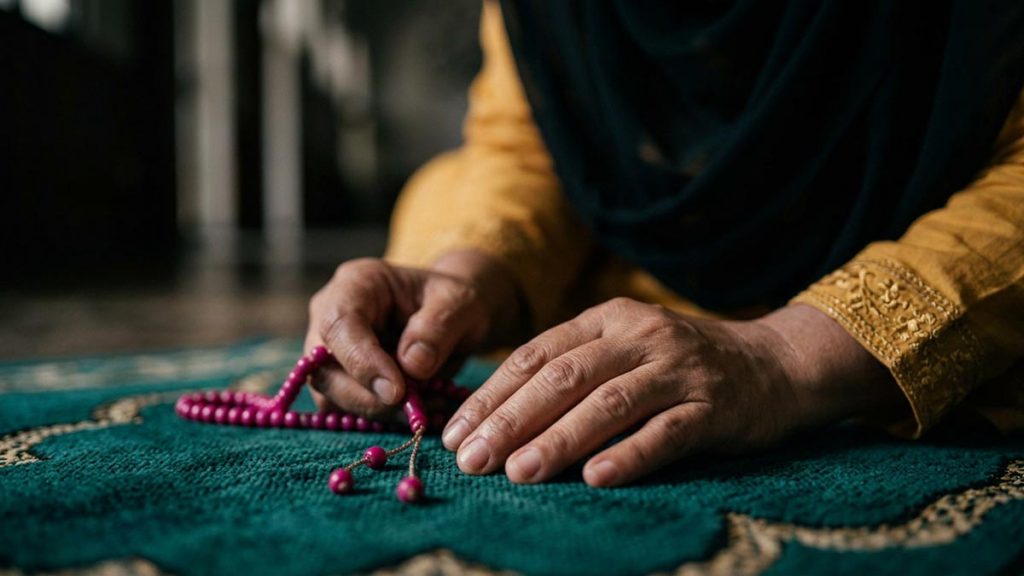
This supplication pairs naturally with the dua after salah and the dua for forgiveness. Together they help the believer complete the prayer seeking the pardon and mercy of Allah.
The first thing the Prophet (pbuh) did after his prayer was seek the forgiveness of Allah, teaching a beautiful humility. Learn the duas of salah with us on YouTube, where the supplications are recited aloud, on TikTok for a reminder to seek pardon after salah, and on Facebook where readers share how they complete their prayer.
Frequently Asked Questions
The dua for forgiveness after salah includes saying astaghfirullah three times and reciting a supplication of repentance such as Rabbi-ghfir li wa tub alayya innaka antat-tawwabur-rahim, my Lord forgive me and accept my repentance; You are the Acceptor of repentance, the Merciful.
Yes, when the Prophet (pbuh) finished his prayer, the first thing he would do was seek the forgiveness of Allah, saying astaghfirullah three times before the remembrances after the prayer.
Because no prayer fully matches the majesty of Allah, and the believer always stands in need of His pardon. Seeking forgiveness after salah is a beautiful humility, depending on the mercy of Allah for acceptance.
Say astaghfirullah three times, recite a supplication of repentance, and acknowledge your shortcomings while depending on the mercy of Allah. These seal the prayer with humility and the seeking of forgiveness.
It asks Allah for forgiveness and to accept the repentance of the believer, affirming that He is the Acceptor of repentance, the Merciful. It turns to Allah hopeful in His boundless mercy and pardon.
Yes, following the example of the Prophet (pbuh), the believer seeks forgiveness after every prayer, acknowledging shortcomings and depending on the mercy of Allah. It is a beautiful way to complete the salah.