
Dua After Reading the Quran
3 Etiquettes of a Blessed Ending
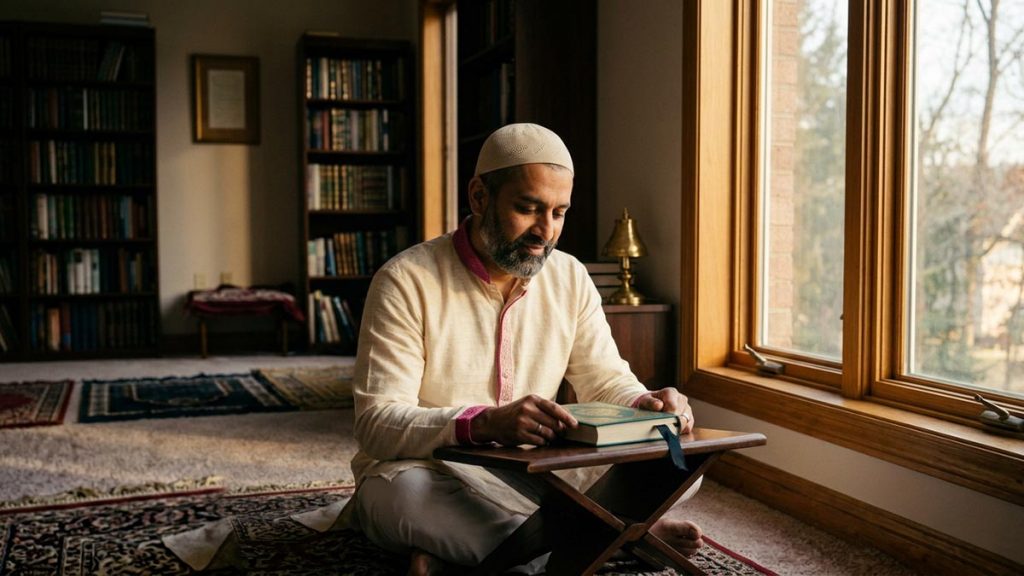
Just as the believer seeks refuge in Allah before opening the Quran, he closes his recitation with remembrance too. The dua after reading the Quran seals the session in the glory of Allah and the seeking of His forgiveness, covering any slip of the tongue or wandering of the heart. The Prophet Muhammad (pbuh) taught a beautiful supplication for the end of any gathering, including a sitting with the book of Allah.
سُبْحَانَكَ اللَّهُمَّ وَبِحَمْدِكَ، أَشْهَدُ أَنْ لَا إِلَهَ إِلَّا أَنْتَ، أَسْتَغْفِرُكَ وَأَتُوبُ إِلَيْكَ
Subhānaka-llāhumma wa bihamdika, ashhadu an lā ilāha illā anta, astaghfiruka wa atūbu ilayk.
“Glory be to You, O Allah, and all praise. I bear witness that there is no god but You. I seek Your forgiveness and turn to You in repentance.”
This guide explains the dua after reading the Quran, the wisdom of ending in remembrance, and three etiquettes of concluding the recitation, so that every session with the words of Allah is closed with the same reverence with which it was opened.
The Meaning of the Dua After Reading the Quran
The dua after reading the Quran is the supplication known as the expiation of the gathering, in which the believer glorifies Allah, bears witness that there is no god but Him, and seeks His forgiveness. The Prophet (pbuh) taught that whoever says it at the end of a sitting will have whatever occurred in that gathering forgiven, making it the perfect way to seal a recitation of the book of Allah. It humbly admits that no one can honour the Quran as it deserves, and so the believer ends by asking the pardon of Allah.
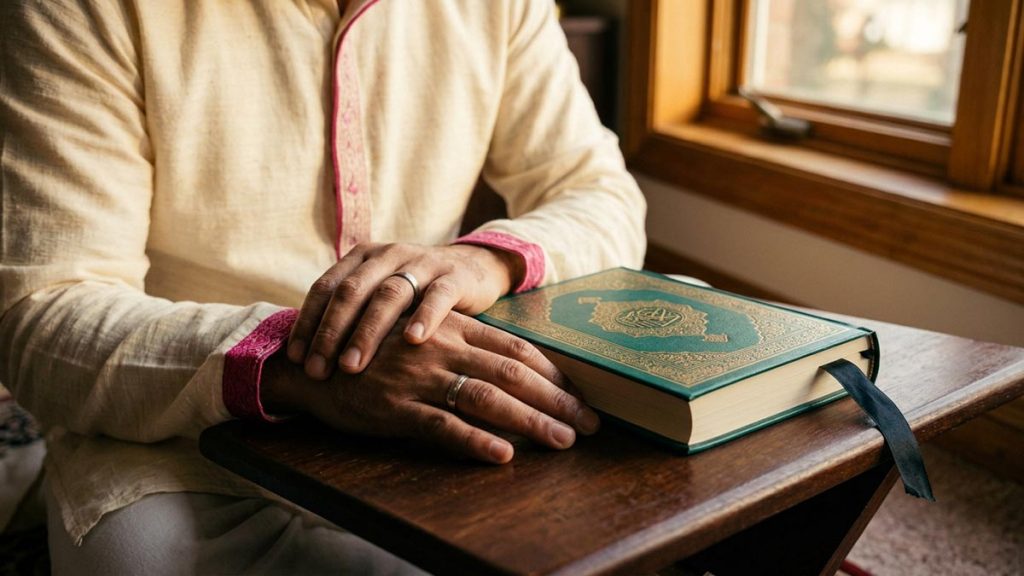
To close a session with the Quran by glorifying Allah is to acknowledge that the words just recited are His speech, far above the one reciting them. The believer rises from the recitation not in pride at what he has read, but in humility before the One who revealed it.
Three Etiquettes of Concluding Your Recitation
The Prophet (pbuh) and the early believers treated the Quran with the highest reverence from the first word to the last. These three etiquettes help the believer close every recitation in a way that honours the book of Allah.
- Seal the session with the expiation of the gathering, seeking the forgiveness of Allah.
- Reflect on what you have read, carrying at least one lesson away into your day.
- Resolve to act on the guidance you received, for the Quran was revealed to be lived.
وَهَٰذَا كِتَابٌ أَنْزَلْنَاهُ مُبَارَكٌ فَاتَّبِعُوهُ
Wa hadha kitabun anzalnahu mubarakun fattabi‘uh
This is a Book We have revealed full of blessing so follow it
Honouring the Book of Allah to the Last Word
The way a believer ends his time with the Quran says much about how he received it. The dua after reading the Quran ensures that the recitation is sealed in remembrance and humility, not closed carelessly as the book is set down. By glorifying Allah and seeking His forgiveness, the believer leaves the session having honoured the speech of his Lord from beginning to end.
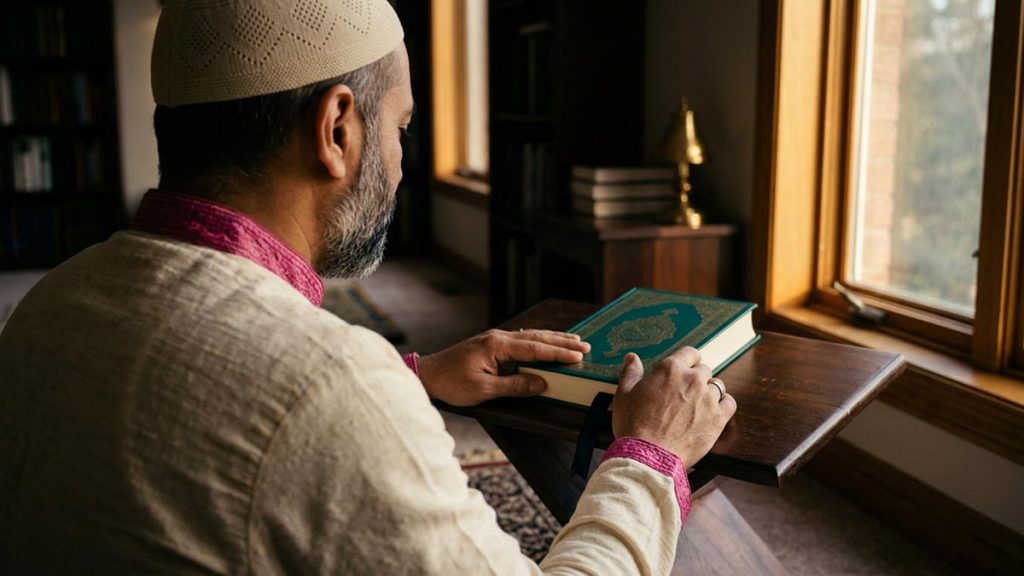
This supplication pairs naturally with the dua before reading the Quran that opens the recitation in the seeking of refuge, so that the whole session is wrapped in reverence. Together they teach the believer to treat the book of Allah as the greatest of gifts, approached with care and parted from with gratitude.
Closing your time with the Quran in remembrance honours the speech of Allah from the first word to the last. Learn the daily duas with us on YouTube, where the recitations are shared aloud, on Instagram for a reminder as you finish reading, and on Threads where readers share how they keep the Quran at the heart of their day.
Frequently Asked Questions
The dua after reading the Quran is the expiation of the gathering, Subhanaka Allahumma wa bihamdika, glorifying Allah, bearing witness to Him, and seeking His forgiveness. The Prophet (pbuh) taught it to seal any sitting, including a recitation of the Quran.
The completion of the entire Quran, the khatm, has its own honoured tradition of supplication in which the believer asks Allah for mercy and guidance. For everyday reading, the expiation of the gathering is the supplication the Prophet (pbuh) taught to close a sitting.
The believer admits that he cannot honour the Quran as it deserves and may have erred or been distracted while reciting. Sealing the session by seeking the forgiveness of Allah covers these slips and ends the recitation in humility.
Say it when you finish your recitation and are about to close the book or leave the sitting. It marks the end of your time with the words of Allah and seals the session in remembrance.
It is best to learn the short Arabic, since it is brief and its words carry the reward the Prophet (pbuh) described. Understanding the meaning in English while you memorise it helps the heart engage with the glorification of Allah.
Before reading, the believer seeks refuge in Allah from the rejected devil and begins with the basmalah, as Allah commands in Surah An-Nahl. Opening in refuge and closing in glorification frames the whole recitation in reverence.