
Dua During Court Proceedings
3 Things to Know About Seeking a Just Outcome
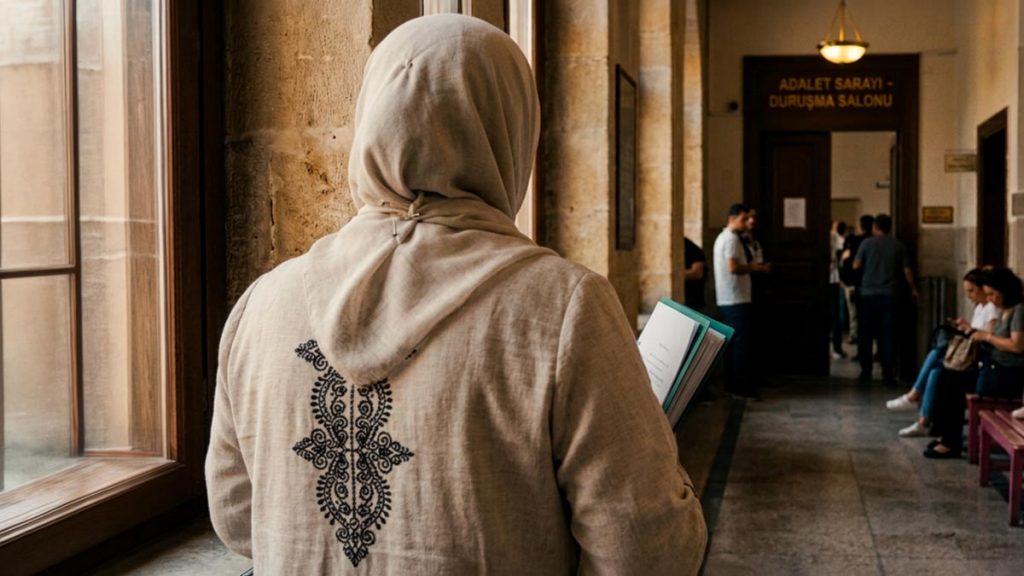
Facing a court case or legal dispute can be a time of great worry, and the believer turns to Allah, the most just of judges, asking Him to bring about a just outcome and to make the truth prevail. The prophets, when their people opposed them, prayed for Allah to decide between them in truth, for He is the best of those who judge. The dua during court proceedings draws on this prayer, placing the matter before Allah and trusting in His perfect justice while pursuing the lawful process.
رَبَّنَا افْتَحْ بَيْنَنَا وَبَيْنَ قَوْمِنَا بِالْحَقِّ وَأَنْتَ خَيْرُ الْفَاتِحِينَ
Rabbana-ftah baynana wa bayna qawmina bil-haqq, wa anta khayrul-fatihin.
“Our Lord, decide between us and our people in truth, and You are the best of those who decide.”
Turning to Allah in a legal matter is a source of strength and calm, though it does not replace seeking proper legal counsel and following the lawful process. This guide explains the dua during court proceedings and three things to know about seeking a just outcome, so that the believer may face a dispute with a heart anchored in Allah, asking Him to decide in truth, committing to honesty in their own testimony, and trusting that the justice of Allah is perfect, whatever the outcome of the proceedings may be.
Asking Allah to Decide in Truth
When the Prophet Shuayb (AS) and the believers with him faced the opposition of their people, he turned to Allah with the beautiful prayer quoted above, asking Him to decide between them and their people in truth, affirming that Allah is the best of those who decide. This prayer places a dispute in the hands of Allah, the most just of all judges, and seeks an outcome based on truth. When facing a legal matter, the believer prays in this way, asking Allah to bring about justice.

Turning to Allah to decide in truth reminds the believer that, beyond every earthly court, there is the perfect justice of Allah, who knows the full truth of every matter. This gives the believer calm and strength, for they know that the truth is never hidden from Allah, even if it is unclear to people. The dua during court proceedings draws on this trust, asking Allah to make the truth prevail and to bring about a just outcome through the lawful process.
رَبَّنَا افْتَحْ بَيْنَنَا وَبَيْنَ قَوْمِنَا بِالْحَقِّ وَأَنْتَ خَيْرُ الْفَاتِحِينَ
Rabbanaftah baynana wa bayna qawmina bil-haqqi wa anta khayrul-fatihin
Decide between us in truth You are the best to decide
Three Things to Know About Seeking a Just Outcome
A just outcome is sought from Allah, the most just of judges. These three things help the believer in a legal matter.
- Ask Allah to decide in truth, for He is the best of those who judge and knows the full truth.
- Commit to honesty in your own testimony, for Allah commands justice even against oneself.
- Seek proper legal counsel and follow the lawful process alongside turning to Allah.
Trusting the Justice of Allah
The dua during court proceedings places the matter before Allah, asking Him to decide in truth and trusting His perfect justice. By asking Allah to decide in truth, committing to honesty in your own testimony, and seeking proper counsel and following the lawful process, the believer faces a dispute in the best way. Beyond every earthly court is the perfect justice of Allah, who knows the full truth, and the believer who trusts in Him faces the proceedings with calm, whatever their outcome may be.

This supplication pairs naturally with the dua for justice and the dua during difficulty. Together they help the believer face hardship and disputes with trust in the justice of Allah.
Our Lord, decide between us in truth, prayed the prophets, for Allah is the best of those who judge. Learn the duas for life with us on YouTube, where the supplications are recited aloud, on TikTok for a reminder to trust the justice of Allah, and on Facebook where readers share how they find calm in hardship.
Frequently Asked Questions
The dua during court proceedings is the prayer of the prophets: Rabbana-ftah baynana wa bayna qawmina bil-haqq, wa anta khayrul-fatihin, our Lord decide between us and our people in truth, and You are the best of those who decide.
No, turning to Allah is a source of strength and calm, but it does not replace seeking proper legal counsel and following the lawful process. The believer pursues their case properly while trusting in the justice of Allah.
The believer commits to honesty in their testimony, upholds justice even against their own interest, and avoids false claims or deception. Allah commands the believers to be maintainers of justice and witnesses for the sake of Allah.
The believer trusts that the justice of Allah is perfect, even if an earthly court errs, for the full truth is never hidden from Allah. They take comfort that Allah will set every matter right, in this life or the next.
Because beyond every earthly court is the perfect justice of Allah, who knows the full truth of every matter. Turning to Him brings the believer calm and strength, and asks Him to make the truth prevail and bring about justice.
Yes, the believer may pursue their rights and defend themselves through lawful and honest means, for seeking justice is encouraged in Islam. They do so truthfully, avoiding wronging others, while trusting the outcome to Allah.