
Durood Ibrahim
5 Blessings of Sending Salawat in Prayer
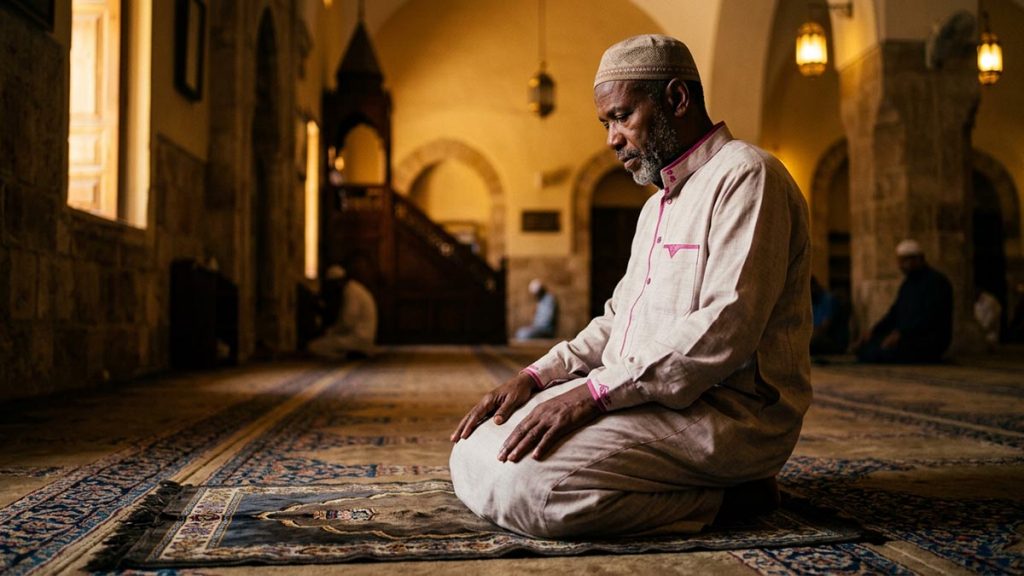
In the final sitting of every prayer, after the Tashahhud, the worshipper sends blessings upon the Prophet Muhammad (pbuh) with a beautiful supplication known as Durood Ibrahim. In it, the worshipper asks Allah to send His blessings upon the Prophet (pbuh) and his family, just as He blessed Prophet Ibrahim (AS) and his family. It is the most complete and beloved form of salawat, taught by the Prophet (pbuh) himself, and a cherished part of the prayer that honours the messenger who brought the guidance of Allah.
اللَّهُمَّ صَلِّ عَلَى مُحَمَّدٍ وَعَلَى آلِ مُحَمَّدٍ، كَمَا صَلَّيْتَ عَلَى إِبْرَاهِيمَ وَعَلَى آلِ إِبْرَاهِيمَ، إِنَّكَ حَمِيدٌ مَجِيدٌ، اللَّهُمَّ بَارِكْ عَلَى مُحَمَّدٍ وَعَلَى آلِ مُحَمَّدٍ، كَمَا بَارَكْتَ عَلَى إِبْرَاهِيمَ وَعَلَى آلِ إِبْرَاهِيمَ، إِنَّكَ حَمِيدٌ مَجِيدٌ
Allāhumma salli ‘alā Muhammadin wa ‘alā āli Muhammad, kamā sallayta ‘alā Ibrāhīma wa ‘alā āli Ibrāhīm, innaka hamīdun majīd, Allāhumma bārik ‘alā Muhammadin wa ‘alā āli Muhammad, kamā bārakta ‘alā Ibrāhīma wa ‘alā āli Ibrāhīm, innaka hamīdun majīd.
“O Allah, send blessings upon Muhammad and the family of Muhammad, as You sent blessings upon Ibrahim and the family of Ibrahim. You are indeed Praiseworthy, Glorious. O Allah, bless Muhammad and the family of Muhammad, as You blessed Ibrahim and the family of Ibrahim. You are indeed Praiseworthy, Glorious.”
Sending blessings upon the Prophet (pbuh), known as salawat or durood, is a command of Allah in the Quran and one of the most rewarding acts of worship. Allah Himself, and His angels, send blessings upon the Prophet (pbuh), and the believers are commanded to do the same. Durood Ibrahim is the form the Prophet (pbuh) taught his companions to use, especially in the prayer, making it the finest way to fulfil this beautiful command.
This guide explains Durood Ibrahim, its place in the prayer, its meaning, the connection to Prophet Ibrahim (AS), and five blessings of sending salawat upon the Prophet (pbuh), so that the worshipper may honour the Prophet (pbuh) in every prayer with the very words he loved, drawing the blessings and intercession that come from sending salawat.
What Is Durood Ibrahim?
Durood Ibrahim is the salawat upon the Prophet Muhammad (pbuh) recited in the final sitting of the prayer, after the Tashahhud and before the closing salam. The word durood is the Persian and Urdu term for salawat, the sending of blessings upon the Prophet (pbuh). It is called Durood Ibrahim because it mentions Prophet Ibrahim (AS), asking Allah to bless the Prophet (pbuh) and his family as He blessed Ibrahim (AS) and his family.
This salawat was taught directly by the Prophet (pbuh). When his companions asked how they should send blessings upon him, having already been taught how to send peace in the Tashahhud, he taught them these very words. This direct teaching makes Durood Ibrahim the most authentic and complete form of salawat, recited by Muslims around the world in their prayers and beloved as the finest way to honour the Prophet (pbuh). That it was given directly by the Prophet (pbuh), in answer to his companions asking how to send blessings upon him, means the worshipper recites it with full confidence that these are the words he himself chose and approved for this very purpose.
In the prayer, Durood Ibrahim follows the Tashahhud in the final sitting. The worshipper first recites the testimony, greeting Allah and bearing witness to His oneness and the messengership of the Prophet (pbuh), and then sends blessings upon the Prophet (pbuh) with this durood. After it, the worshipper may make personal supplications before concluding the prayer with the salam to the right and the left. This placement is beautiful: having borne witness to the oneness of Allah and sent peace upon the Prophet (pbuh) in the Tashahhud, the worshipper now asks Allah to bless him, joining testimony with love for the messenger before turning to their own private needs.
The Meaning of Durood Ibrahim
In Durood Ibrahim, the worshipper asks Allah to send His blessings, salah, upon the Prophet (pbuh) and his family. When Allah sends salah upon someone, it means He praises them before the angels and shows them His mercy and honour. So the worshipper is asking Allah to raise the mention of the Prophet (pbuh), to honour him, and to show him mercy, the greatest gifts that can be sought for the most beloved of creation.
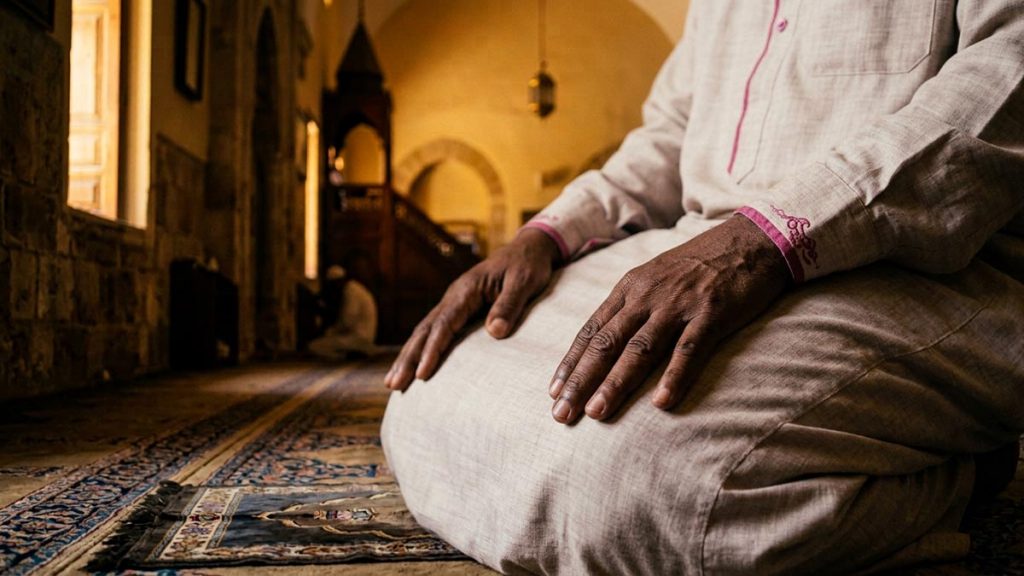
The supplication then asks Allah to bless the Prophet (pbuh) and his family, just as He blessed Ibrahim (AS) and his family. The word barakah means lasting, increasing good, so the worshipper asks for the goodness sent upon the Prophet (pbuh) to be abundant and ever-growing. By comparing it to the blessings upon Ibrahim (AS), the durood connects the final prophet to the great patriarch whose line carried prophethood through the ages.
The durood concludes by praising Allah as Hamid and Majid, Praiseworthy and Glorious. This beautiful ending acknowledges that the One being asked to bless the Prophet (pbuh) is Himself worthy of all praise and full of glory and majesty. It reminds the worshipper that the source of all blessing is Allah, and that He, in His glory, is fully able to grant the honour and mercy sought for His beloved Prophet (pbuh). Every word of the durood is therefore both a request and an act of love, asking the Most Generous to elevate the one who guided humanity to Him, and trusting that the Praiseworthy and Glorious Lord will answer such a prayer in full.
كَمَا بَارَكْتَ عَلَىٰ إِبْرَاهِيمَ وَعَلَىٰ آلِ إِبْرَاهِيمَ
Kama barakta ‘ala Ibrahima wa ‘ala ali Ibrahim
As You blessed Ibrahim and his family
The Command to Send Salawat
Sending blessings upon the Prophet (pbuh) is not merely recommended; it is commanded by Allah in the Quran. Allah declares that He and His angels send blessings upon the Prophet (pbuh), and then commands the believers to send blessings and greetings of peace upon him. This makes salawat a direct command of Allah, and one of the few acts of worship that Allah describes Himself as performing, showing its immense status and honour.
Because of this command, the believers send salawat upon the Prophet (pbuh) throughout their worship and daily life, and especially in the prayer through Durood Ibrahim. The Prophet (pbuh) taught that whoever sends one blessing upon him, Allah sends ten blessings upon them in return. This generous reward makes salawat one of the most beneficial acts a believer can perform, multiplying the mercy of Allah upon them with every blessing they send.
The Prophet (pbuh) also taught the great value of sending salawat abundantly, especially on Fridays, and described the one who sends the most blessings upon him as the closest to him on the Day of Judgement. He further taught that the miser is the one who hears his name mentioned yet does not send blessings upon him. So the believer keeps salawat on their tongue, fulfilling the command of Allah and drawing near to the Prophet (pbuh). Beyond the prayer, the believer may send blessings upon him when his name is mentioned, in the morning and evening, and abundantly on Fridays, weaving this beloved act of worship through the whole of their day and reaping its endless reward.
إِنَّ اللَّهَ وَمَلَائِكَتَهُ يُصَلُّونَ عَلَى النَّبِيِّ
Innallaha wa mala’ikatahu yusalluna ‘alan-Nabiyy
Indeed Allah and His angels send blessings upon the Prophet
Five Blessings of Sending Salawat in Prayer
Sending salawat upon the Prophet (pbuh) in the prayer brings great reward and blessing. These five blessings flow from reciting Durood Ibrahim.
- It fulfils a command of Allah, who instructs the believers to send blessings upon the Prophet (pbuh).
- It brings tenfold reward, for Allah sends ten blessings upon whoever sends one upon the Prophet (pbuh).
- It honours the Prophet (pbuh), asking Allah to raise his mention and show him mercy in every prayer.
- It draws nearness to the Prophet (pbuh), bringing the believer closer to him on the Day of Judgement.
- It completes the prayer, joining the testimony of faith with blessings upon the messenger of Allah.
مَنْ صَلَّىٰ عَلَيَّ صَلَاةً صَلَّى اللَّهُ عَلَيْهِ بِهَا عَشْرًا
Man salla ‘alayya salatan sallallahu ‘alayhi biha ‘ashra
Whoever sends one blessing upon me Allah sends him ten
Honouring the Prophet in Every Prayer
Durood Ibrahim allows the worshipper to honour the Prophet (pbuh) in every prayer with the very words he taught, asking Allah to bless him as He blessed Ibrahim (AS). It fulfils a command of Allah, brings abundant reward, and draws the believer near to the Prophet (pbuh) they love. By reciting it with presence and sincerity in the final sitting, the worshipper joins their testimony of faith with blessings upon the beloved messenger of Allah, completing the prayer in the most beautiful and honourable way that a believer can.
This salawat follows the Tashahhud dua in the final sitting, and pairs naturally with the dua after salah. Together they complete the prayer with testimony, blessings upon the Prophet (pbuh), and supplication to Allah.
In every prayer, the worshipper sends blessings upon the Prophet (pbuh) with the durood he himself taught. Learn the duas of salah with us on YouTube, where the supplications are recited aloud, on Threads for a reminder to send salawat upon the Prophet (pbuh), and on LinkedIn where readers share how they honour him in prayer.
Frequently Asked Questions
Durood Ibrahim is the salawat upon the Prophet (pbuh) recited in the final sitting of the prayer after the Tashahhud, asking Allah to bless him and his family as He blessed Ibrahim (AS) and his family. The Prophet (pbuh) taught it directly.
It is recited in the final sitting of the prayer, after the Tashahhud and before the closing salam. The worshipper may then make personal supplications before ending the prayer.
Because it mentions Prophet Ibrahim (AS), asking Allah to bless the Prophet (pbuh) and his family as He blessed Ibrahim (AS) and his family. Durood is the term for salawat, the sending of blessings upon the Prophet (pbuh).
Yes, Allah declares that He and His angels send blessings upon the Prophet (pbuh), and commands the believers to send blessings and greetings of peace upon him. This makes salawat a direct command of Allah.
The Prophet (pbuh) taught that whoever sends one blessing upon him, Allah sends ten blessings upon them in return. The one who sends the most salawat is closest to him on the Day of Judgement.
It asks Allah to send His blessings and mercy upon the Prophet (pbuh) and his family, and to grant them lasting, abundant good, as He did for Ibrahim (AS). It concludes by praising Allah as Praiseworthy and Glorious.