
Tashahhud Dua
5 Things to Know About the Testimony in Prayer
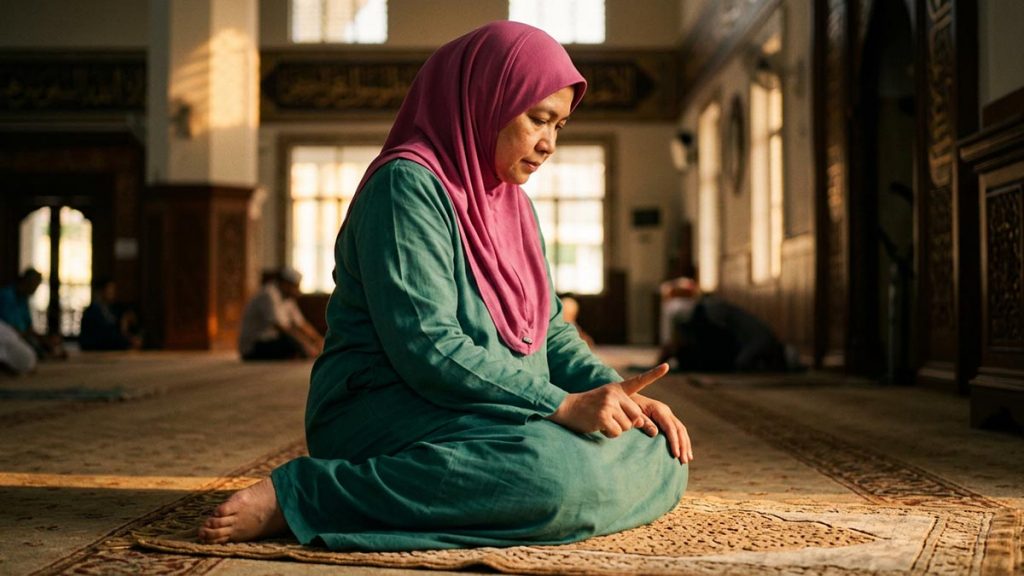
In every prayer, the worshipper sits and recites the Tashahhud, a beautiful testimony that greets Allah, sends peace upon the Prophet (pbuh) and the righteous, and bears witness to the oneness of Allah and the messengership of Muhammad (pbuh). The Tashahhud dua is an essential part of the prayer, taught by the Prophet (pbuh) to his companions with great care, and recited in the sitting position after every two units of prayer.
التَّحِيَّاتُ لِلَّهِ وَالصَّلَوَاتُ وَالطَّيِّبَاتُ، السَّلَامُ عَلَيْكَ أَيُّهَا النَّبِيُّ وَرَحْمَةُ اللَّهِ وَبَرَكَاتُهُ، السَّلَامُ عَلَيْنَا وَعَلَى عِبَادِ اللَّهِ الصَّالِحِينَ، أَشْهَدُ أَنْ لَا إِلَهَ إِلَّا اللَّهُ وَأَشْهَدُ أَنَّ مُحَمَّدًا عَبْدُهُ وَرَسُولُهُ
At-tahiyyātu lillāhi was-salawātu wat-tayyibāt, as-salāmu ‘alayka ayyuhan-nabiyyu wa rahmatullāhi wa barakātuh, as-salāmu ‘alaynā wa ‘alā ‘ibādillāhis-sālihīn, ashhadu an lā ilāha illallāh wa ashhadu anna Muhammadan ‘abduhu wa rasūluh.
“All greetings, prayers and good things are for Allah. Peace be upon you, O Prophet, and the mercy of Allah and His blessings. Peace be upon us and upon the righteous servants of Allah. I bear witness that there is no god but Allah, and I bear witness that Muhammad is His servant and messenger.”
The word tashahhud comes from shahada, meaning testimony, because at its heart this supplication contains the declaration of faith. But it begins with something even more remarkable: a greeting offered to Allah Himself, followed by peace upon the Prophet (pbuh) and upon all the righteous servants of Allah. It is a rich and meaningful prayer that gathers greeting, blessing and testimony into a few profound lines.
This guide explains the Tashahhud dua, its place in the prayer, its meaning, the greeting and the shahada it contains, and five things to know about this testimony, so that the worshipper may recite it with understanding and presence, bearing witness to their faith in the heart of the prayer.
What Is the Tashahhud Dua?
The Tashahhud dua is the testimony recited while sitting in the prayer, after every two units. It opens by declaring that all greetings, prayers and good words and deeds belong to Allah, then sends peace upon the Prophet (pbuh), upon the worshipper, and upon all the righteous servants of Allah, before bearing witness to the oneness of Allah and the messengership of Muhammad (pbuh). It is an essential pillar of the prayer that every Muslim learns and recites.
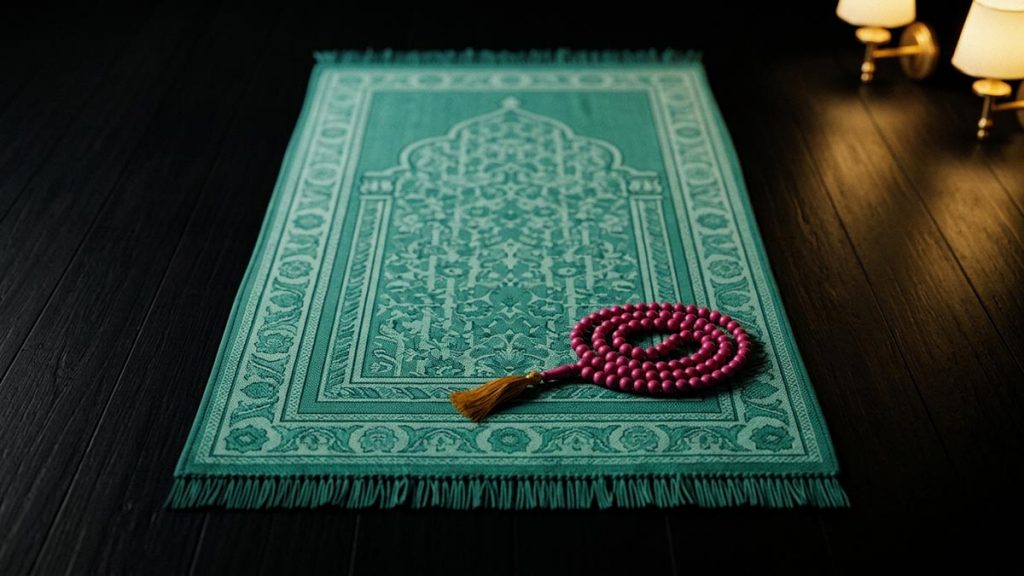
The Prophet (pbuh) taught the Tashahhud to his companions with the same care that he taught them a chapter of the Quran. His companion Ibn Mas‘ud narrated that the Prophet (pbuh) took his hand and taught him these words directly. This careful transmission shows the importance of the Tashahhud, and the version narrated by Ibn Mas‘ud, quoted above, is among the most widely recited, though other authentic versions were also taught. That the Prophet (pbuh) took his companion by the hand to teach him word by word reveals how essential this testimony is, treated with the same care as the teaching of a chapter of the Quran itself.
The Tashahhud is recited in the sitting position, called the julus, after the prostrations. In a prayer of two units, it is recited once at the end. In prayers of three or four units, there is a first sitting after the second unit, where the Tashahhud is recited before standing again, and a final sitting at the end, where the Tashahhud is followed by sending blessings upon the Prophet (pbuh) and then the closing supplications and salam. This structure means the worshipper sits and recites the testimony at least once in every prayer, and often twice, weaving the declaration of faith through the fabric of their daily worship.
التَّحِيَّاتُ لِلَّهِ وَالصَّلَوَاتُ وَالطَّيِّبَاتُ
At-tahiyyatu lillahi was-salawatu wat-tayyibat
All greetings prayers and good things are for Allah
The Meaning of the Testimony
The Tashahhud begins with at-tahiyyatu lillah, all greetings are for Allah, affirming that every form of honour, reverence and good belongs to Him alone. It then adds was-salawatu wat-tayyibat, and prayers and pure good things, dedicating all worship and all that is good to Allah. This opening sets the tone, directing every honour and goodness to the Lord before whom the worshipper sits. It is a profound way to begin the sitting, for before mentioning anything else, the worshipper acknowledges that all praise, all worship and all that is pure belong to Allah alone, placing Him above everything in the very first words of the testimony.
Next comes the greeting of peace: peace be upon you, O Prophet, and the mercy and blessings of Allah, followed by peace upon the worshipper and upon all the righteous servants of Allah. This beautiful greeting connects the worshipper to the Prophet (pbuh) and to every righteous servant across time. The Prophet (pbuh) taught that when one says peace upon the righteous servants of Allah, it reaches every righteous servant in the heavens and the earth.
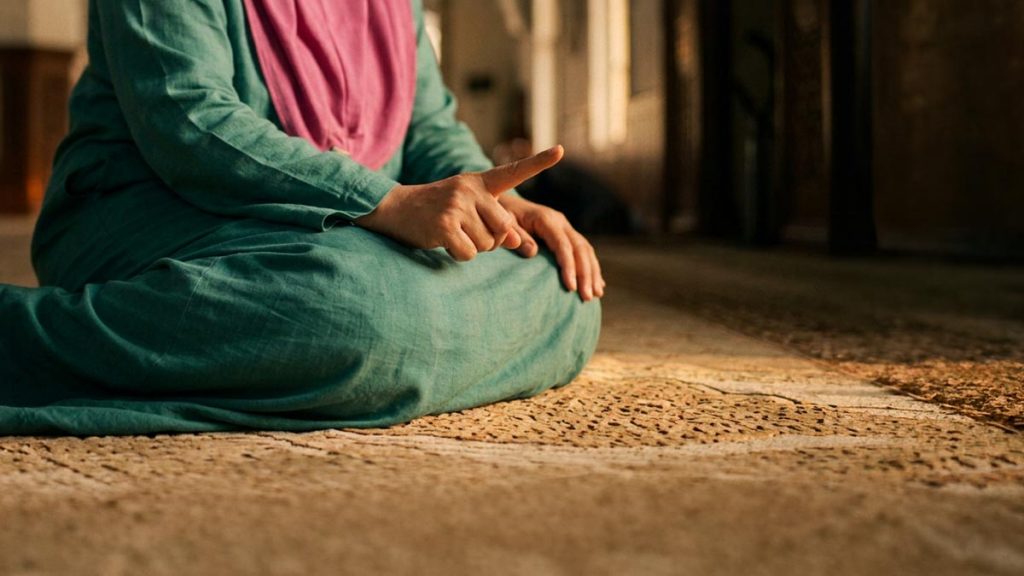
The Tashahhud concludes with the two testimonies of faith: I bear witness that there is no god but Allah, and I bear witness that Muhammad is His servant and messenger. This is the shahada, the foundation of Islam, declared in the heart of every prayer. By reciting it, the worshipper renews their faith multiple times a day, affirming the oneness of Allah and the messengership of the Prophet (pbuh) in the most central act of worship. This constant renewal keeps the foundation of Islam fresh in the heart, so that the believer never drifts from the core of their faith but reaffirms it with conviction in every prayer they offer.
Five Things to Know About the Tashahhud
The Tashahhud is a testimony recited in every prayer. These five points help the worshipper understand and recite it well.
- It is recited while sitting, after every two units of the prayer.
- It contains the shahada, renewing the declaration of faith in the heart of the prayer.
- It greets Allah and sends peace upon the Prophet (pbuh) and the righteous servants.
- There are authentic versions, including the widely recited one narrated by Ibn Mas‘ud.
- In the final sitting, it is followed by blessings upon the Prophet (pbuh) before the salam.
السَّلَامُ عَلَيْنَا وَعَلَىٰ عِبَادِ اللَّهِ الصَّالِحِينَ
As-salamu ‘alayna wa ‘ala ‘ibadillahis-salihin
Peace be upon us and the righteous servants of Allah
Sending Peace Upon the Prophet
One of the most beautiful parts of the Tashahhud is the greeting of peace sent upon the Prophet (pbuh): peace be upon you, O Prophet, and the mercy of Allah and His blessings. In every prayer, the worshipper remembers the Prophet (pbuh) and sends him a greeting of peace, honouring the messenger who conveyed the guidance of Allah. This keeps the love and remembrance of the Prophet (pbuh) alive in the heart of the believer throughout their daily worship.
The greeting then extends outward: peace be upon us and upon the righteous servants of Allah. The Prophet (pbuh) explained that when the worshipper says this, the greeting reaches every righteous servant in the heavens and the earth. So in a single phrase, the worshipper sends peace upon themselves, upon all the prophets, and upon every righteous believer who has ever lived, binding the community of faith together in a beautiful bond within the prayer.
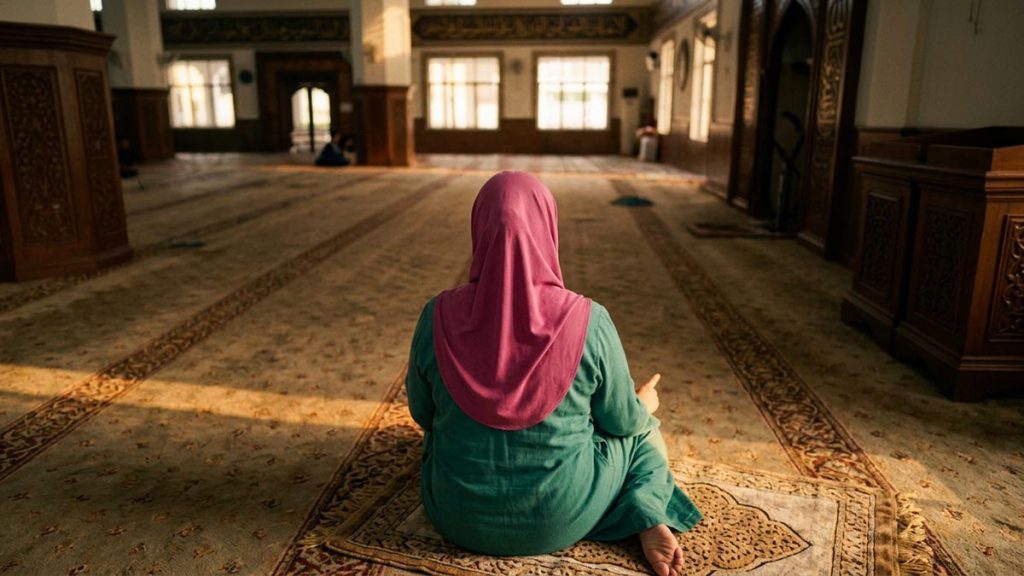
This part of the Tashahhud teaches the worshipper that worship is never isolated. Even when praying alone, the believer is connected to the Prophet (pbuh) and to the entire community of the righteous through this shared greeting of peace. It nurtures love for the Prophet (pbuh), care for fellow believers, and an awareness of belonging to a vast community of faith that stretches across the heavens and the earth and through all of time. In a single sitting, the lonely worshipper is reminded that they pray as part of a great family of believers, joined in spirit to the prophets and the righteous who offered the very same words before them.
السَّلَامُ عَلَيْكَ أَيُّهَا النَّبِيُّ وَرَحْمَةُ اللَّهِ
As-salamu ‘alayka ayyuhan-Nabiyyu wa rahmatullah
Peace be upon you O Prophet and the mercy of Allah
Reciting the Tashahhud with Presence
The Tashahhud is far more than words to be repeated; it is a testimony of faith and a greeting of peace at the centre of the prayer. By understanding its meaning, the worshipper recites it with presence: directing all honour to Allah, sending peace upon the Prophet (pbuh) and the righteous, and renewing the shahada with conviction. Recited with awareness, the Tashahhud becomes a powerful affirmation of faith, lifting the prayer from routine into living worship. The difference between a Tashahhud recited absently and one recited with a present heart is immense, for the same words that can pass the lips unnoticed can also renew a believer’s whole commitment to Allah when spoken with understanding and a sincere, attentive heart. This is why learning the meaning of the testimony is so valuable for every worshipper.
This testimony is followed in the final sitting by Durood Ibrahim, the blessings upon the Prophet (pbuh), and pairs naturally with the dua after salah. Together they complete the prayer with testimony, blessing and supplication.
In the heart of every prayer, the worshipper greets Allah and renews the shahada in the Tashahhud. Learn the duas of salah with us on YouTube, where the supplications are recited aloud, on Facebook for a reminder to recite the testimony with presence, and on X where readers share how they perfect their prayer.
Frequently Asked Questions
The Tashahhud dua is the testimony recited while sitting in the prayer, greeting Allah, sending peace upon the Prophet (pbuh) and the righteous, and bearing witness to the oneness of Allah and the messengership of Muhammad (pbuh). It is recited after every two units.
It is recited in the sitting position after every two units of the prayer. In longer prayers there is a first sitting after the second unit and a final sitting at the end.
It contains greetings dedicated to Allah, peace upon the Prophet (pbuh) and the righteous servants, and the two testimonies of faith. The shahada is declared in the heart of every prayer.
The widely recited version was narrated by Ibn Mas‘ud, who said the Prophet (pbuh) took his hand and taught him these words directly. Other authentic versions were also taught by the Prophet (pbuh).
The final Tashahhud is an essential part of the prayer that every Muslim recites while sitting. It is taught with great care and recited in every prayer.
In the final sitting, the Tashahhud is followed by blessings upon the Prophet (pbuh), known as Durood Ibrahim, and then closing supplications before the salam. This completes the prayer.