
Dua for Forgiveness
5 Keys to Allah’s Pardon

Every human being sins and falls short, but Allah has opened wide the door of forgiveness for all who turn to Him. The dua for forgiveness draws on the prayer of the righteous believers in the Quran, who declare their faith and ask Allah to forgive their sins and protect them from the Fire. It is a beautiful, simple supplication that gathers the essence of seeking pardon: affirming belief, admitting sin, and asking the Most Forgiving for His mercy.
رَبَّنَا إِنَّنَا آمَنَّا فَاغْفِرْ لَنَا ذُنُوبَنَا وَقِنَا عَذَابَ النَّارِ
Rabbanā innanā āmannā faghfir lanā dhunūbanā wa qinā ‘adhāban-nār.
“Our Lord, we have believed, so forgive us our sins and protect us from the punishment of the Fire.”
Seeking forgiveness, known as istighfar, is among the most beloved acts of worship in Islam. The Prophet Muhammad (pbuh) himself, though sinless, would seek the forgiveness of Allah many times each day, teaching that the believer should constantly return to Allah. No sin is too great for the mercy of Allah, and no one who turns to Him sincerely is ever turned away. The dua for forgiveness is the believer’s constant companion in this lifelong return to Allah.
This guide explores the dua for forgiveness, its meaning, the boundless mercy of Allah, five keys to His pardon, and how to seek forgiveness throughout life, so that the believer may return to Allah with hope, certain that the Most Forgiving loves to pardon those who sincerely seek Him.
The Meaning of the Dua for Forgiveness
The dua for forgiveness comes from Surah Aal-Imran, where Allah describes the righteous believers and quotes their prayer: our Lord, we have believed, so forgive us our sins and protect us from the punishment of the Fire. The dua begins by affirming faith, then asks for two connected gifts: the forgiveness of sins, and protection from the Fire. It captures the believer’s deepest hope, to have their record cleared and to be saved from the consequences of their wrongs. In just a few words, it expresses what every soul longs for: a clean slate before the One who sees all, and safety from the only punishment truly worth fearing, sought not in despair but in the quiet confidence of a believer who knows the door is always standing open and ready before them.
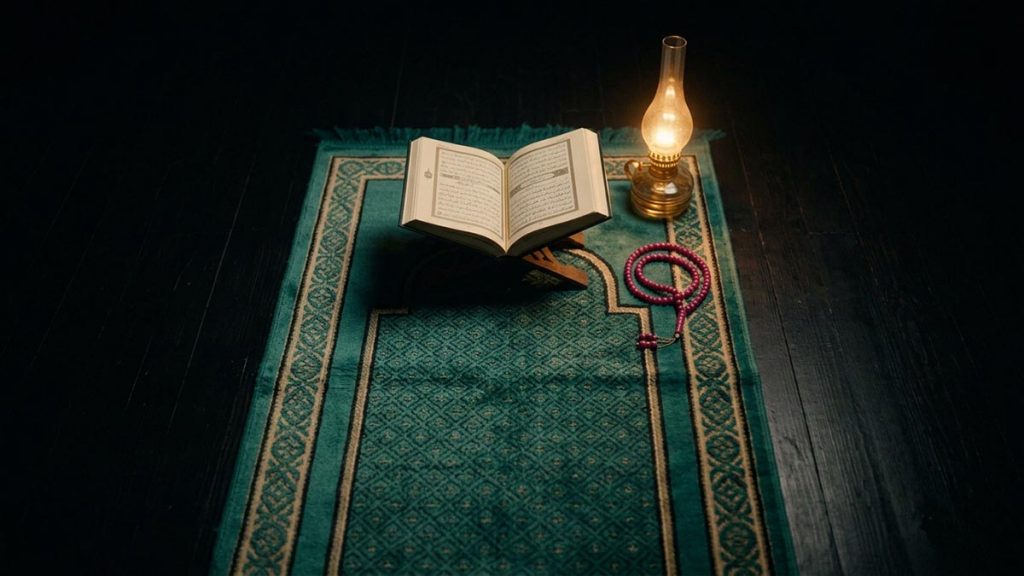
Notice the order of this prayer. The believers first declare, we have believed, before asking for forgiveness. This teaches that faith is the foundation upon which forgiveness is sought; the one who turns to Allah does so as a believer, trusting in His mercy. Then they ask Allah to forgive their sins, acknowledging that they have sinned and need His pardon, and to protect them from the Fire, the ultimate consequence they seek to avoid. It is a complete and humble plea.
This dua is among the prayers Allah praises in the believers who are patient, truthful, obedient, and who seek forgiveness in the last hours before dawn. It shows that seeking the pardon of Allah is a mark of the righteous, not a sign of weakness. The best of people are not those who never sin, but those who, when they sin, turn back to Allah and ask His forgiveness with sincerity and hope. This is why the dua for forgiveness is placed in the mouths of the righteous in the Quran, not as a confession of failure, but as a mark of those who know their Lord and trust His mercy enough to keep returning to Him whenever they slip into wrong.
رَبَّنَا إِنَّنَا آمَنَّا فَاغْفِرْ لَنَا ذُنُوبَنَا وَقِنَا عَذَابَ النَّارِ
Rabbana innana amanna faghfir lana dhunubana wa qina ‘adhaban-nar
Our Lord forgive us our sins and save us from the Fire
Allah’s Boundless Mercy and Forgiveness
The mercy of Allah is greater than any sin a person could commit. The Prophet (pbuh) conveyed the words of Allah that whoever comes to Him with sins nearly filling the earth, but meets Him without associating partners with Him, Allah will meet them with forgiveness nearly as vast. This astonishing assurance shows that no sin, however great or many, is beyond the forgiveness of Allah for the one who turns to Him in sincere faith.

Allah loves to forgive. The Prophet (pbuh) taught that Allah is more joyful at the repentance of His servant than a person who loses their camel in the desert, with all their provisions, and then suddenly finds it again. Allah is not reluctant to pardon; He rejoices when His servant returns to Him. He calls out, inviting His servants who have wronged themselves not to despair of His mercy, for He forgives all sins. The door of forgiveness never closes until the final moments.
The Prophet (pbuh) himself, the most beloved to Allah and free of sin, would say the dua for forgiveness more than seventy times a day in one narration, and would teach his companions the prayer for seeking forgiveness, calling it the master of seeking pardon. If the best of creation sought forgiveness so constantly, the believer understands that istighfar is not only for great sins, but a continual turning to Allah that keeps the heart polished, humble and close to Him. Far from burdening the believer with guilt, this constant seeking of forgiveness lightens the heart, for each istighfar is a fresh return to a Lord who is delighted to receive it, washing away the small stains that gather on the soul through an ordinary day.
Five Keys to Allah’s Pardon
True forgiveness comes with sincere repentance. These five keys, joined with the dua for forgiveness, open the door to the pardon of Allah.
- Admit the sin, taking honest responsibility before Allah without excuse.
- Feel sincere regret, for genuine remorse over the wrong is the heart of repentance.
- Resolve to leave it, making a firm intention not to return to the sin.
- Seek forgiveness often, keeping istighfar on your tongue as the Prophet (pbuh) did.
- Hope in His mercy, returning to Allah with confidence that He loves to forgive.
وَمَنْ يَعْمَلْ سُوءًا أَوْ يَظْلِمْ نَفْسَهُ ثُمَّ يَسْتَغْفِرِ اللَّهَ يَجِدِ اللَّهَ غَفُورًا رَحِيمًا
Wa man ya‘mal su’an aw yazlim nafsahu thumma yastaghfirillaha yajidillaha ghafuran rahima
And whoever does evil then seeks forgiveness of Allah will find Him Forgiving
Seeking Forgiveness Throughout Life
Seeking forgiveness is not a one-time act, but a lifelong practice that keeps the believer close to Allah. Because we sin daily in ways large and small, the believer returns to Allah daily, keeping istighfar on the tongue in the morning and evening, after prayers, and whenever a wrong is committed. The Prophet (pbuh) made it a constant habit, and the believer who follows him finds their heart kept soft, humble and aware of its need for Allah.
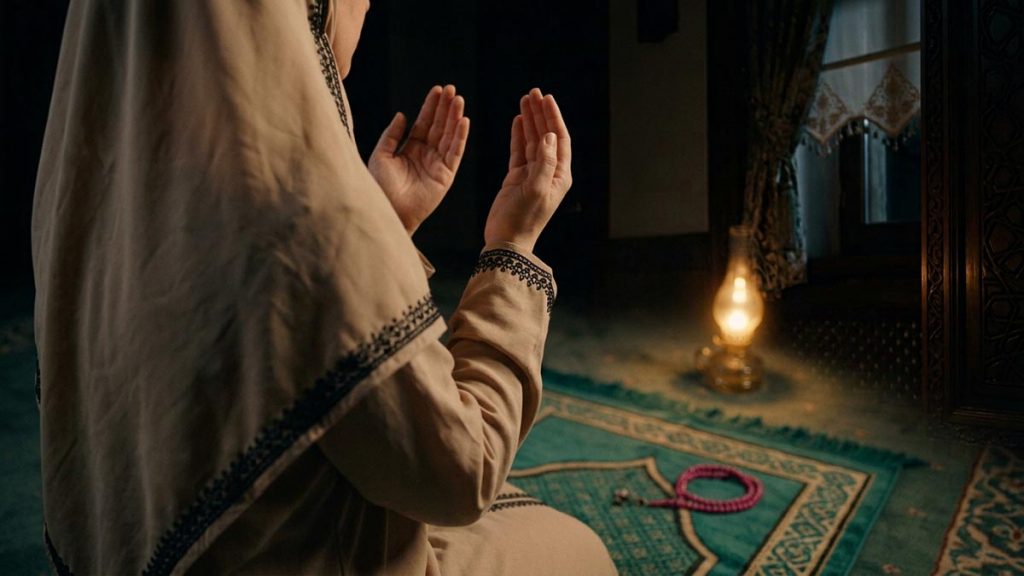
Beyond the dua for forgiveness, Islam offers many beautiful ways to seek pardon. The simple word astaghfirullah, I seek the forgiveness of Allah, can be repeated throughout the day. The master prayer of seeking forgiveness, Sayyidul-Istighfar, brings great reward to the one who says it with conviction. And sincere repentance, turning back to Allah with regret and resolve, wipes away sins entirely. The believer has no shortage of doors to the pardon of Allah.
Importantly, seeking forgiveness brings benefits in this life too. The Quran teaches that those who seek forgiveness are granted rain, wealth, children, gardens and rivers, and that istighfar removes distress and opens provision. So the believer who makes the dua for forgiveness a regular habit not only cleanses their record for the Hereafter, but invites the mercy, relief and blessings of Allah into their worldly life as well. In this way, istighfar is one of the most rewarding habits a believer can build, costing nothing but a few sincere words, yet drawing down forgiveness for the Hereafter and mercy, provision and relief for this life at the very same time.
اسْتَغْفِرُوا رَبَّكُمْ إِنَّهُ كَانَ غَفَّارًا
Istaghfiru Rabbakum innahu kana ghaffara
Seek forgiveness of your Lord indeed He is ever Most Forgiving
Returning to the Most Forgiving
No matter how far a person has strayed or how many times they have fallen, the door of the forgiveness of Allah remains open. The dua for forgiveness teaches the believer to return to Allah with faith, admitting their sins and asking His pardon, certain that His mercy is greater than any wrong. By making istighfar a constant companion and repenting sincerely, the believer keeps their heart close to Allah, the Most Forgiving, who loves nothing more than to pardon a servant who turns back to Him. However heavy the past may feel, a single sincere return can wipe the slate clean, for the One the believer turns to is not a harsh judge counting faults, but the Most Forgiving, whose mercy was placed before His wrath and whose door of pardon stays open until the very last breath.
This supplication pairs naturally with the dua of Prophet Adam, the first repentance, and the dua for mercy. Together they teach the believer to return to Allah in hope, seeking the forgiveness and mercy He loves to give.
No sin is too great for the mercy of Allah, who loves to pardon all who turn back to Him. Learn the Quranic duas with us on YouTube, where the supplications are recited aloud, on X for a reminder to seek forgiveness daily, and on Pinterest where readers share how they return to the Most Forgiving.
Frequently Asked Questions
The dua for forgiveness is Rabbana innana amanna faghfir lana dhunubana wa qina ‘adhaban-nar, our Lord, we have believed, so forgive us our sins and protect us from the Fire. It is in Surah Aal-Imran.
Say it whenever you seek the pardon of Allah, and make istighfar a daily habit in the morning and evening, after prayers, and after any sin. The Prophet (pbuh) sought forgiveness many times each day.
Yes, the mercy of Allah is greater than any sin, and He forgives all sins for the one who turns to Him sincerely without associating partners with Him. No sin is too great for His pardon.
Admit the sin, feel sincere regret, resolve to leave it, seek forgiveness often, and hope in the mercy of Allah. These are the keys to sincere repentance and His pardon.
Yes, the Quran teaches that istighfar brings rain, wealth, children and provision, and removes distress, so seeking forgiveness benefits both this life and the Hereafter. It invites the mercy and blessings of Allah.
You can repeat astaghfirullah throughout the day, say the master prayer of seeking forgiveness, and make sincere repentance with regret and resolve. The believer has many doors to the pardon of Allah.