
Dua of Prophet Yusuf
3 Lessons in Gratitude and Faith
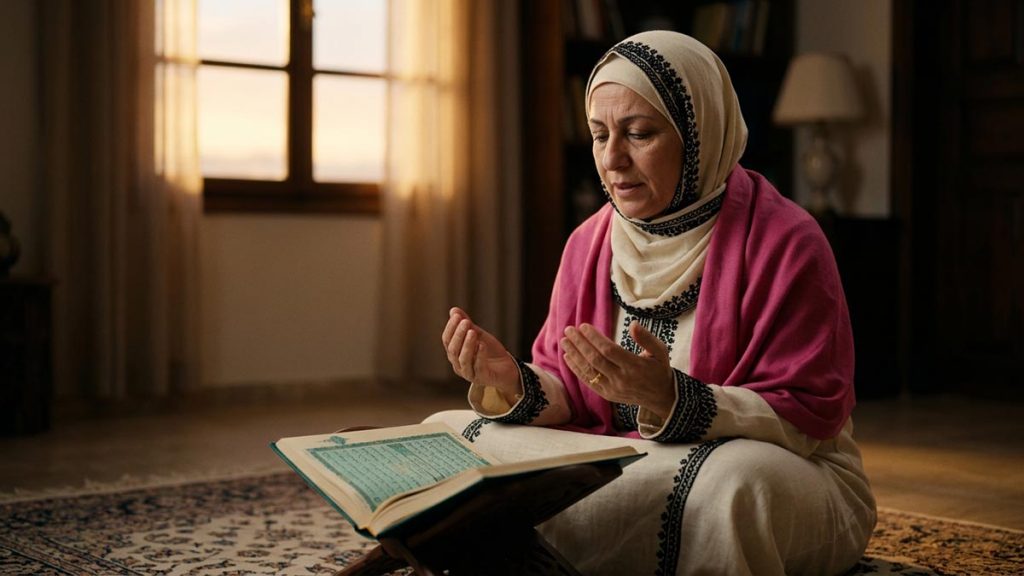
The story of Prophet Yusuf (AS) is one of the most moving in the Quran, a journey from the bottom of a well and the depths of prison to the height of honour in Egypt. At the very moment his trials ended and his family was reunited, Yusuf (AS) did not boast of his success, but turned to Allah in gratitude. The dua of Prophet Yusuf thanks Allah for His favours, affirms Him as his only protector in both worlds, and asks for the greatest gift of all: to die as a Muslim and be joined with the righteous.
فَاطِرَ السَّمَاوَاتِ وَالْأَرْضِ أَنْتَ وَلِيِّي فِي الدُّنْيَا وَالْآخِرَةِ تَوَفَّنِي مُسْلِمًا وَأَلْحِقْنِي بِالصَّالِحِينَ
Fātiras-samāwāti wal-ard, anta waliyyī fid-dunyā wal-ākhirah, tawaffanī musliman wa alhiqnī bis-sālihīn.
“Creator of the heavens and the earth, You are my protector in this world and the Hereafter. Cause me to die as a Muslim, and join me with the righteous.”
This guide explains the dua of Prophet Yusuf, the gratitude and faith behind it, and three lessons in gratitude and faith, so that the believer, in moments of success and blessing, may turn to Allah as Yusuf (AS) did, thanking Him for His favours and asking to remain faithful until the very end.
The Story Behind the Dua of Prophet Yusuf
The dua of Prophet Yusuf (AS) comes at the end of Surah Yusuf, after the long and remarkable story of his life. Betrayed by his brothers and thrown into a well as a boy, sold into slavery, imprisoned despite his innocence, and finally raised to great authority in Egypt, Yusuf (AS) at last reunited with his parents and brothers. Standing at the summit of worldly success, with his trials behind him, he turned to Allah and made this prayer of pure gratitude and faith.

What is striking is what Yusuf (AS) asked for in his moment of triumph. He did not pray for more power, wealth or honour, but acknowledged Allah as the Creator and his only protector in both worlds, and asked to die as a Muslim and join the righteous. At the peak of his success, his deepest concern was to remain faithful and to end his life in submission to Allah. It teaches that the believer’s greatest hope, even in times of blessing, is a good ending upon faith.
Three Lessons in Gratitude and Faith
The dua of Prophet Yusuf teaches the believer to meet success with gratitude and faith. These three lessons flow from his prayer.
- Thank Allah in success, attributing your blessings to Him rather than to yourself.
- Remember Allah is your only protector, in this world and the next, in all conditions.
- Ask to die in faith, making a good ending upon Islam your greatest hope.
تَوَفَّنِي مُسْلِمًا وَأَلْحِقْنِي بِالصَّالِحِينَ
Tawaffani musliman wa alhiqni bis-salihin
Cause me to die as a Muslim and join me with the righteous
Meeting Success with Gratitude and Faith
At the height of worldly triumph, a prophet turned not to pride but to gratitude, asking only to remain faithful to the end. The dua of Prophet Yusuf teaches the believer to thank Allah in success, to remember Him as their only protector, and to make a good ending upon faith their greatest hope. By following his example, the believer keeps their heart attached to Allah in times of blessing as much as in hardship, asking the Creator of the heavens and the earth to keep them faithful until they meet Him.
This supplication pairs naturally with the dua of Prophet Sulayman in gratitude for blessings, and the gratitude in Islam. Together they teach the believer to meet success with thankfulness and to ask Allah for steadfast faith.
At the height of success, Yusuf (AS) turned not to pride but to gratitude and faith. Learn the Quranic duas with us on YouTube, where the supplications are recited aloud, on TikTok for a reminder to thank Allah in success, and on Pinterest where readers share how they meet blessings with gratitude.
Frequently Asked Questions
The dua of Prophet Yusuf (AS) is Fatiras-samawati wal-ard, anta waliyyi fid-dunya wal-akhirah, tawaffani musliman wa alhiqni bis-salihin, asking Allah to cause him to die as a Muslim and join the righteous. It is in Surah Yusuf.
Say it in moments of success and blessing, thanking Allah and asking to remain faithful until the end. It teaches turning to Allah in gratitude rather than pride.
At the height of his success, after long trials and reunion with his family, he turned to Allah in gratitude rather than pride, asking only to die in faith. His greatest concern was a good ending upon Islam.
He did not ask for more power or wealth, but acknowledged Allah as his only protector and asked to die as a Muslim and join the righteous. He sought faithfulness above worldly gain.
It teaches meeting success with gratitude rather than pride, remembering Allah as one’s only protector, and making a good ending upon faith the greatest hope. The believer stays attached to Allah in blessing.
The dua of Prophet Sulayman gives thanks for blessings, and gratitude in Islam reflects the heart of this prayer. Together with the dua of Prophet Yusuf, they teach gratitude and steadfast faith.