
Dua of Prophet Adam
3 Lessons in Seeking Forgiveness

The dua of Prophet Adam (AS) is among the most important supplications in the Quran, for it is the very first prayer of repentance, taught by Allah to the first human being. After Adam (AS) and his wife ate from the forbidden tree, they did not despair or make excuses, but turned to Allah with humble words admitting their wrong and begging for His forgiveness and mercy. These words became the model for how every believer should return to Allah after a mistake.
رَبَّنَا ظَلَمْنَا أَنْفُسَنَا وَإِنْ لَمْ تَغْفِرْ لَنَا وَتَرْحَمْنَا لَنَكُونَنَّ مِنَ الْخَاسِرِينَ
Rabbanā zalamnā anfusanā wa in lam taghfir lanā wa tarhamnā lanakūnanna minal-khāsirīn.
“Our Lord, we have wronged ourselves, and if You do not forgive us and have mercy upon us, we will surely be among the losers.”
This guide explains the dua of Prophet Adam, its place as the first repentance, and three lessons in seeking forgiveness, so that the believer who falls into error may turn back to Allah as Adam (AS) did, with humility, hope and a sincere plea for the mercy that Allah loves to give.
The Story Behind the Dua of Prophet Adam
The dua of Prophet Adam (AS) comes from Surah Al-A’raf, after Adam (AS) and his wife were tempted by Shaytan to eat from the one tree Allah had forbidden them in Paradise. The moment they did, they realised their mistake. Unlike Shaytan, who responded to his own disobedience with arrogance and refused to repent, Adam (AS) turned immediately to Allah in humility, admitting that he had wronged himself and pleading for forgiveness and mercy. Allah accepted his repentance and guided him.
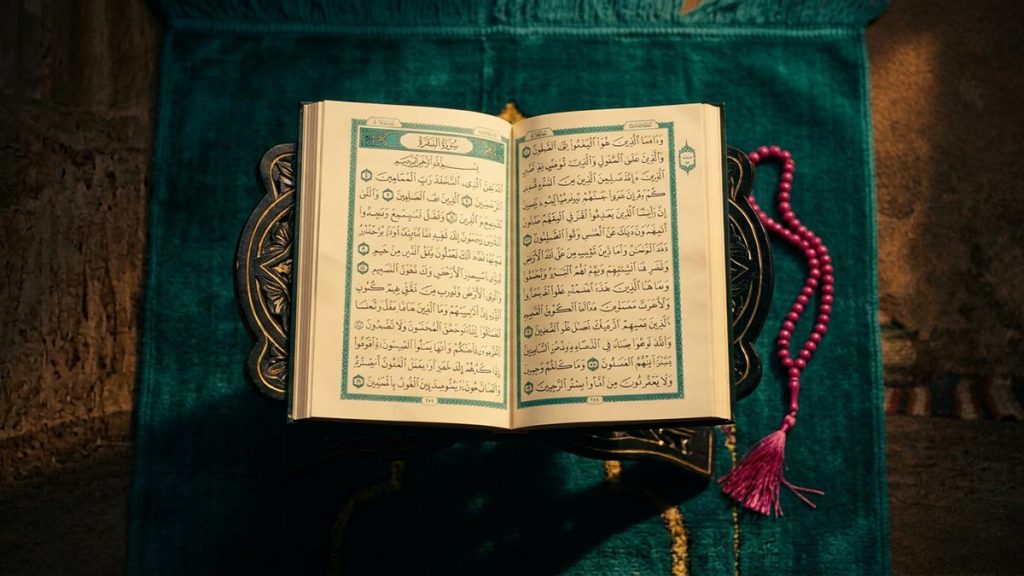
Every word of this dua is full of meaning. Adam (AS) said that he had wronged his own self, taking full responsibility without blaming anyone else. He then declared that without the forgiveness and mercy of Allah, he would surely be among the losers, showing his complete dependence on the grace of Allah. This is the essence of repentance: admitting the wrong, taking responsibility, and turning to Allah with hope in His mercy rather than despair over the sin.
Three Lessons in Seeking Forgiveness
The dua of Prophet Adam teaches the believer how to return to Allah after a mistake. These three lessons guide the seeking of forgiveness.
- Take responsibility, admitting your wrong without blame or excuse, as Adam (AS) did.
- Turn to Allah with hope, depending on His forgiveness and mercy rather than despairing.
- Repent at once, hastening back to Allah the moment you realise your mistake.
قُلْ يَا عِبَادِيَ الَّذِينَ أَسْرَفُوا عَلَىٰ أَنْفُسِهِمْ لَا تَقْنَطُوا مِنْ رَحْمَةِ اللَّهِ
Qul ya ‘ibadiyal-ladhina asrafu ‘ala anfusihim la taqnatu min rahmatillah
Say my servants do not despair of the mercy of Allah
Returning to Allah After a Mistake
Every human being errs, but the believer is taught how to return, in the very first prayer of repentance. The dua of Prophet Adam shows the way: admitting the wrong, taking responsibility, and turning to Allah with hope in His forgiveness and mercy. By following this example, the believer who falls into error does not sink into despair, but rises again through repentance, certain that Allah, who accepted the repentance of Adam (AS), loves to forgive those who sincerely return to Him.
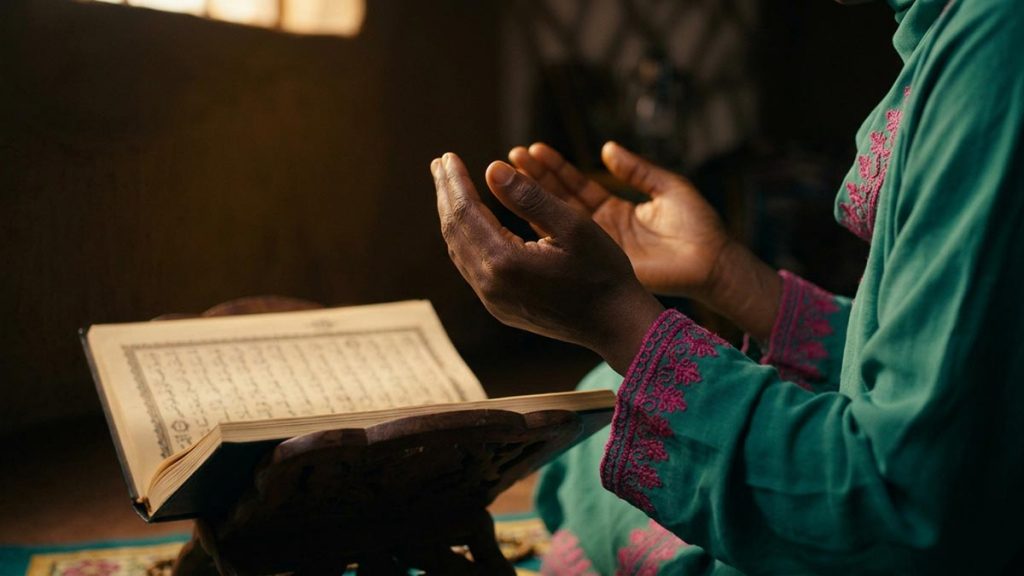
This supplication pairs naturally with the dua for forgiveness that seeks the pardon of Allah, and the dua of Prophet Yunus in his distress. Together they teach the believer to turn back to Allah in humility and hope, following the prophets in seeking His mercy.
The first prayer of repentance teaches every believer how to return to Allah after a mistake. Learn the Quranic duas with us on YouTube, where the supplications are recited aloud, on TikTok for a reminder to turn back to Allah in hope, and on Pinterest where readers share how they seek His forgiveness.
Frequently Asked Questions
The dua of Prophet Adam (AS) is Rabbana zalamna anfusana wa in lam taghfir lana wa tarhamna lanakunanna minal-khasirin, our Lord, we have wronged ourselves, and if You do not forgive us we will be among the losers. It is in Surah Al-A’raf.
Say it after any mistake or sin, turning to Allah in repentance with humility and hope. It is the first prayer of repentance and a model for returning to Allah.
It is the very first prayer of repentance, taught by Allah to the first human being, and it models how every believer should return to Allah. It shows admitting the wrong and hoping in the mercy of Allah.
Adam (AS) responded to his mistake with humility and repentance, while Shaytan responded to his own disobedience with arrogance and refused to repent. The dua teaches us to follow the way of Adam (AS).
It teaches taking responsibility without excuse, depending on the forgiveness and mercy of Allah, and repenting at once rather than despairing. This is the essence of true repentance.
The dua for forgiveness seeks the pardon of Allah, and the dua of Prophet Yunus turns to Him in distress. Together with the dua of Prophet Adam, they teach the believer to return to Allah in hope.