
Dua in Islam
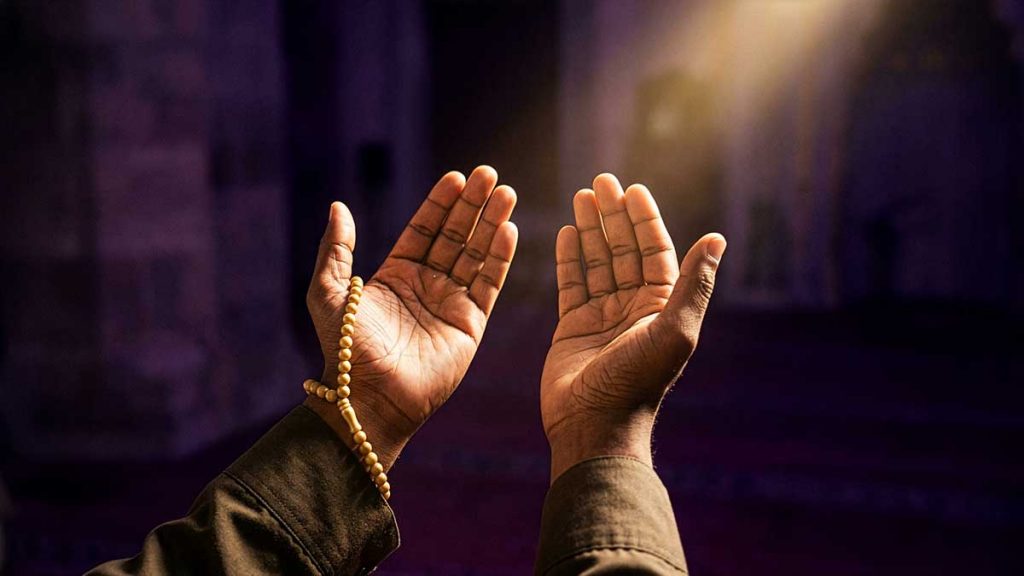
Call upon Me, and I will answer you
Dua in Islam is the most direct and most powerful act of worship a believer has. The Prophet Muhammad (pbuh) called it the essence of worship and said that Allah is too generous to let raised hands return empty. No intermediary. No appointment. No limit. Read on to understand when and how to make dua, why it is never wasted, and how it shaped the Prophet’s daily life.
What the Prophet Taught About Dua
The Prophet (peace be upon him) did not treat dua as a last resort or an act of desperation. He made it the centrepiece of his relationship with Allah. He made dua when he woke, when he ate, when he travelled, when he was happy, when he was afraid, and when he stood alone in the last third of the night. He taught the Ummah not only what to ask for, but how to ask, when to ask, and why Allah always responds.
The Etiquette of Dua
Begin with praise of Allah and send blessings upon the Prophet before asking. Face the Qiblah and raise your hands with palms facing upward. Be specific and detailed in what you ask for. Ask with certainty that Allah hears you and has the power to respond. Be persistent and never give up, for Allah loves the one who keeps asking.
The Best Times for Dua
The last third of the night when Allah descends to the lowest heaven and asks: “Who is calling Me?” In sujood (prostration) when the servant is closest to their Lord. Between the Adhan and Iqamah when dua is not rejected. At the time of breaking the fast for the fasting person’s dua is accepted. On Friday during the special hour before Maghrib.
The Prophetic Teachings on Dua
Dua Is the Essence of Worship
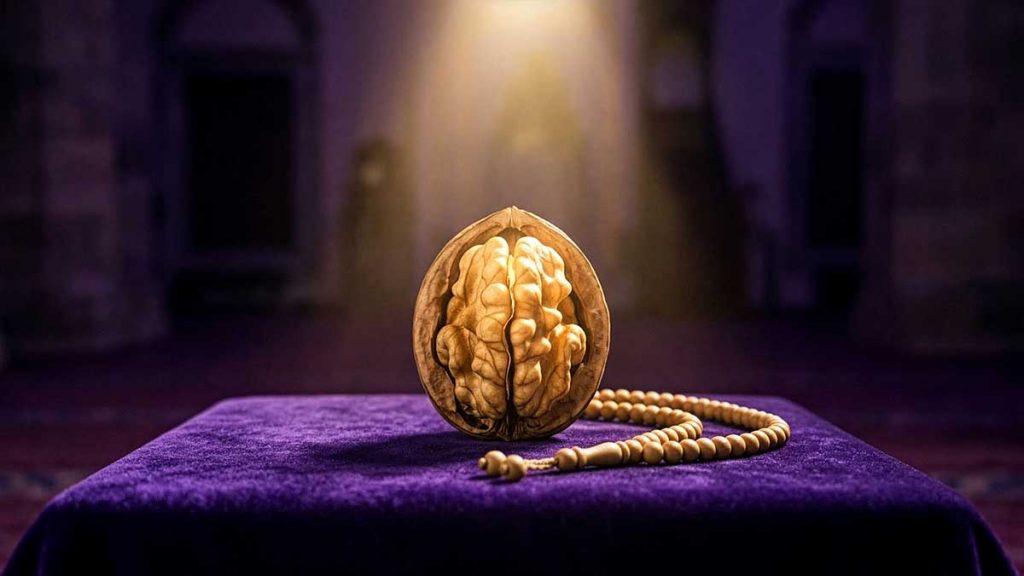
The Prophet (peace be upon him) said: “Dua is worship itself” (Abu Dawud, Tirmidhi). In another narration, he said: “Dua is the essence of worship” (Tirmidhi). The Arabic word used in the second hadith is “mukh”, which means brain or marrow, the innermost and most essential part of something. Just as the brain is the organ without which the body cannot function, dua is the act without which worship loses its soul. A person can pray five times a day, fast every Ramadan, and give charity generously, but if they never speak to Allah from their heart, something fundamental is missing. Dua is the moment when the mask of formality drops and the servant stands before their Lord with nothing but need, hope, and sincerity.
“Dua is the essence of worship”
Allah Is Too Generous to Return Empty Hands
The Prophet (peace be upon him) said: “Your Lord is Generous and Shy. If His servant raises his hands to Him in supplication, He becomes shy to return them empty” (Ahmad, Abu Dawud, Tirmidhi). This hadith reveals something extraordinary about the nature of Allah. The Creator of the universe, who needs nothing from anyone, feels a kind of divine generosity that will not allow Him to turn away a servant who asks. Every raised hand receives something. The Prophet also explained: “There is no Muslim who makes a dua that does not contain sin or the severing of family ties, except that Allah gives him one of three things: either He answers his dua, or He stores it for him in the Hereafter, or He diverts from him an equivalent harm” (Ahmad). The companions said: “Then we will make much dua.” The Prophet replied: “Allah has even more.”
“Your Lord is Generous He becomes shy to return raised hands empty”
The Closest You Will Ever Be
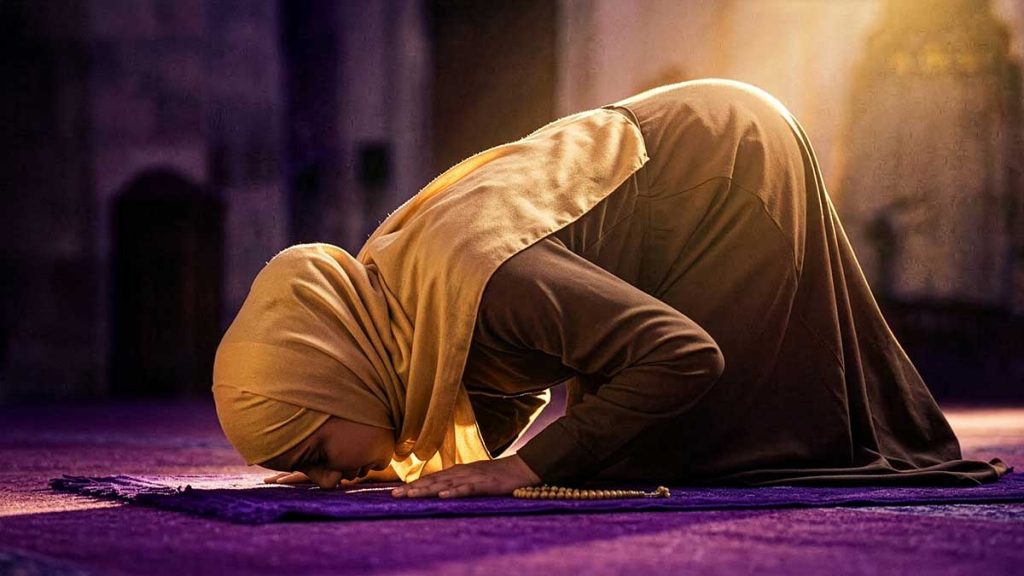
The Prophet (peace be upon him) said: “The closest a servant can be to his Lord is while he is in prostration, so increase your dua in it” (Muslim). This hadith pinpoints the single position in which a human being is physically closest to Allah: sujood. Your forehead is on the ground, your ego is lowered, your body is in its most humble posture, and in that moment the door between you and your Lord is wide open. The Prophet did not say “increase your praise” or “increase your recitation” in sujood. He said increase your dua. This is when you ask. This is when you pour out what is in your heart. This is when the King of all kings is listening most closely.
When Allah Descends to Answer
Abu Hurairah (may Allah be pleased with him) narrated that the Prophet (peace be upon him) said: “Our Lord descends every night to the lowest heaven in the last third of the night and says: ‘Who is calling Me, that I may answer him? Who is asking Me, that I may give him? Who is seeking My forgiveness, that I may forgive him?'” (Bukhari, Muslim). This is a hadith qudsi, the words of Allah Himself as reported by the Prophet. Every single night, without exception, there is a window of time in which Allah is actively inviting His servants to ask. He does not wait to be approached. He calls out. The question for every Muslim is not whether Allah will answer. The question is whether we will bother to wake up and ask.
“Who is calling Me that I may answer him? Who is asking Me that I may give him?”
The Prophet’s Most Frequent Dua: A Prayer for Both Worlds
Anas ibn Malik (may Allah be pleased with him) narrated that the dua the Prophet (peace be upon him) made most often was breathtaking in its simplicity: “Rabbana atina fid-dunya hasanatan, wa fil-akhirati hasanatan, wa qina adhab an-nar” (Our Lord, give us good in this world and good in the Hereafter, and protect us from the punishment of the Fire) (Bukhari and Muslim).
This was not a dua reserved for extraordinary moments. It was the dua the Prophet said most often. Not the longest. Not the most elaborate. But the most comprehensive. In one sentence, it covers every possible need a human being could have: good in this life, good in the next, and protection from the worst outcome imaginable. Aisha (may Allah be pleased with her) said that the Prophet liked concise, comprehensive duas and would leave aside what was besides them (Abu Dawud).
There is a lesson here for every Muslim who feels they do not know the “right” words to use in dua. The Prophet, the most eloquent man who ever lived, made this short dua more than any other. Allah does not require lengthy speeches. He requires sincerity. A single sentence spoken from the heart of a desperate servant is worth more than a thousand rehearsed phrases spoken from habit. The companions understood this. They used to ask Allah for everything, even salt for their food. The Prophet encouraged them: “Let one of you ask his Lord for everything he needs, even a lace for his shoe if it breaks” (Tirmidhi).
Why Dua Seems Unanswered
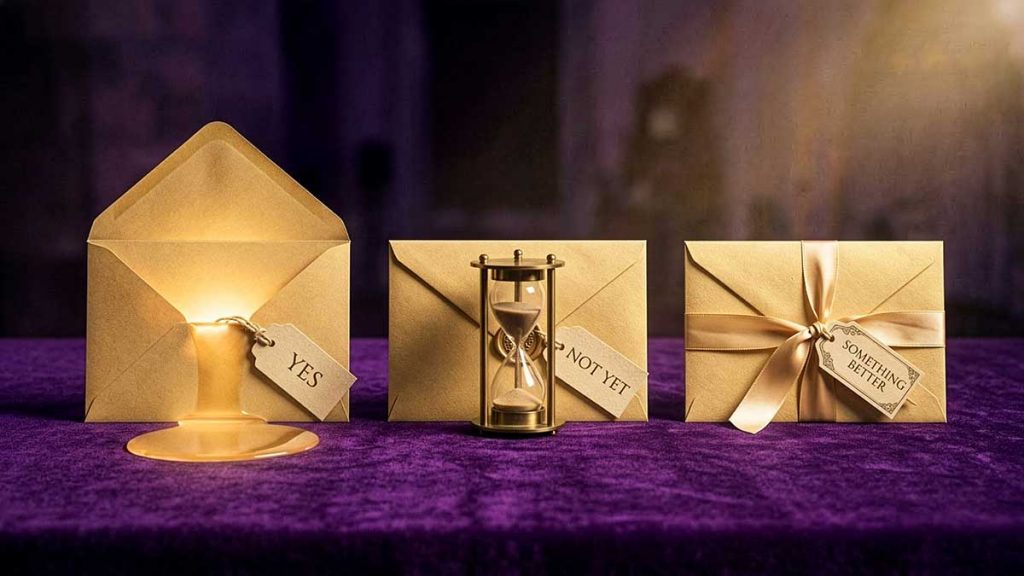
One of the most common struggles believers face is the feeling that their dua has not been answered. The Prophet addressed this directly. He said: “The servant’s dua will continue to be answered as long as he does not ask for something sinful or for the severing of family ties, and as long as he does not become impatient.” They asked: “O Messenger of Allah, what does impatience mean?” He said: “That he says: ‘I made dua and I made dua, and I have not seen it answered,’ and he becomes frustrated and gives up making dua” (Muslim).
The Prophet is teaching something essential here: giving up is the only way dua fails. As long as you keep asking, Allah keeps responding, even if the response takes a form you do not immediately recognise. Sometimes the answer is “yes.” Sometimes it is “not yet.” Sometimes it is “I have something better.” And sometimes the dua you made today will protect you from a harm tomorrow that you never even knew was coming. The believer’s job is to keep asking. Allah’s promise is to keep giving.
“Ask your Lord for everything you need even a lace for your shoe”
Islam’s Answer to Modern Life
The prophetic teachings on dua address needs that the modern world has left unmet.
The Loneliness of Being Unheard
In a world of constant noise, many people feel profoundly unheard. They post online and receive no engagement. They speak at home and feel ignored. They carry burdens that no one asks about. Islam’s answer is absolute: Allah hears you. Not sometimes. Not when you are worthy. Always. The Quran says: “And when My servants ask you concerning Me, indeed I am near. I respond to the invocation of the supplicant when he calls upon Me” (Quran 2:186). There is no condition attached. No “if you are good enough.” No “if your Arabic is fluent.” He is near, and He responds.
Anxiety and the Need for Control
Modern anxiety is often rooted in the illusion of control. People feel anxious because they believe they must manage every outcome, fix every problem, and anticipate every threat. Dua is the antidote because it is an act of surrender. When you make dua, you are admitting that you cannot do it alone. You are placing the outcome in the hands of the One who controls all outcomes. The Prophet taught his followers to say: “O Allah, I have submitted my affairs to You” (Bukhari). This is not passivity. It is the ultimate strategic move: handing the unsolvable to the Only One who can solve it, while continuing to do your best with the means you have been given.
Dua as a Conversation, Not a Transaction
Many people approach dua like a vending machine: insert the words, expect the result. The Prophet’s approach was entirely different. He made dua in joy and in hardship. He made dua when he had everything and when he had nothing. He praised Allah before asking and thanked Him after receiving. Dua was not a transaction for the Prophet. It was a relationship. It was the way he stayed connected to His Lord through every moment of the day. The morning dua. The evening dua. The dua before eating, after eating, before sleeping, upon waking, when entering the home, when leaving it. Every transition was marked by a word to Allah. This is the life Islam invites every Muslim to live: a life in which you are never alone, because you are always in conversation with your Creator.
A Reflection from the Quran
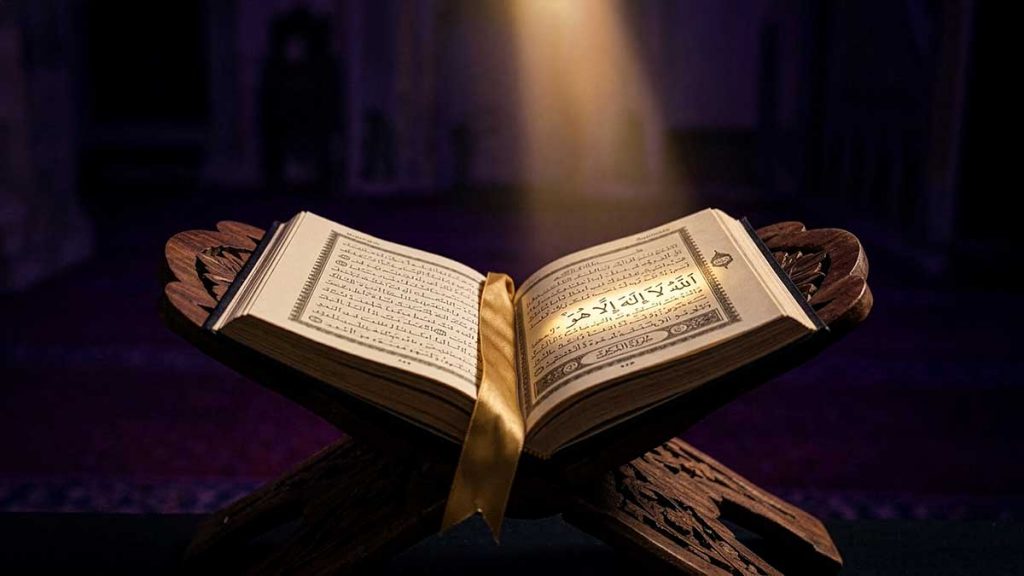
Allah says in Surah Ghafir of the Quran:
وَقَالَ رَبُّکُمُ ادۡعُوۡنِیۡۤ اَسۡتَجِبۡ لَکُمۡ ؕ اِنَّ الَّذِیۡنَ یَسۡتَکۡبِرُوۡنَ عَنۡ عِبَادَتِیۡ سَیَدۡخُلُوۡنَ جَہَنَّمَ دٰخِرِیۡنَ
“And your Lord said: Call upon Me, and I will answer you. Indeed, those who are too arrogant to worship Me will enter Hell in humiliation.”
This is one of the most powerful verses in the entire Quran about dua. Allah gives a direct, unconditional promise: call upon Me, and I will answer you. There is no asterisk, no fine print, no condition of worthiness. Then, in the second half of the verse, He reveals something startling: refusing to make dua is a form of arrogance. The person who does not call upon Allah is not being self-sufficient. They are being proud. They are saying, in effect, “I do not need You.” And for that arrogance, the consequence is severe. This verse reframes dua entirely. It is not a favour we do for Allah. It is a lifeline He extends to us. And the only person who refuses a lifeline is the one who does not believe they are drowning.
Frequently Asked Questions
Dua is the act of calling upon Allah directly to ask for something, seek protection, express gratitude, or simply speak to Him from the heart. The Prophet called it “the essence of worship” (Tirmidhi) and “worship itself” (Abu Dawud). Unlike formal prayer (salah), dua can be made at any time, in any place, in any language, and without wudu.
The Prophet identified several special times: the last third of the night when Allah descends to the lowest heaven (Bukhari), during sujood in prayer (Muslim), between the Adhan and Iqamah (Tirmidhi), when breaking the fast (Tirmidhi), and on Friday before Maghrib. However, dua can and should be made at all times.
Yes. While learning the Prophet’s duas in Arabic is recommended and carries extra reward, Allah understands all languages. A sincere dua spoken in English, Urdu, Malay, Turkish, or any other language is heard by Allah. What matters most is the sincerity of the heart, not the fluency of the tongue. Speak to Allah in whatever language allows you to express your deepest needs.
The Prophet said that no dua is ever wasted. Allah responds in one of three ways: He answers it directly, He stores the reward for the Hereafter, or He diverts an equivalent harm (Ahmad). The Prophet warned against impatience, saying that the only way dua fails is when a person gives up and says “I made dua and it was not answered” (Muslim). Keep asking. Allah’s timing is always perfect.
Anas ibn Malik reported that the dua the Prophet made most often was: “Rabbana atina fid-dunya hasanatan, wa fil-akhirati hasanatan, wa qina adhab an-nar” (Our Lord, give us good in this world and good in the Hereafter, and protect us from the punishment of the Fire) (Bukhari and Muslim). It is short, comprehensive, and covers every possible need in both worlds.
No. Unlike salah, dua does not require wudu. You can make dua at any time and in any state. However, being in a state of purity is recommended as it reflects respect and readiness before Allah. The Prophet also encouraged making dua while facing the Qiblah and with hands raised, though none of these are strict requirements. The door of dua is always open.
Dua is the believer’s superpower. It requires no equipment, no qualification, no appointment, and no mediator. It is available at every moment to every person in every condition. The Prophet built his entire life around it, from his first words at dawn to his last words before sleep. He taught us that Allah is not distant, not indifferent, and not too busy. He is near, He is listening, and He is waiting for us to ask. The only question is whether we will open our mouths and speak to the One who already knows what is in our hearts.
As Allah, Al-Mujib (The Responsive), promises to answer every sincere call and never turns away a servant who reaches out to Him, may we never tire of calling upon Him, never doubt that He hears us, and never stop asking for His mercy in this world and the next.
May Allah accept our duas, answer them in the way that is best for us, and make us among those who never cease calling upon Him in gratitude, in need, and in love. Ameen.
Dua is the weapon of the believer and the most direct line to Allah. If this article reminded you of that, share it with someone who might be struggling in silence. Watch our dua series on YouTube, follow us on TikTok for short powerful reminders, and join our Facebook community where believers lift each other up.