
What Does Ramadan Mubarak Mean?
Ramadan Mubarak is the warm greeting Muslims share as the holy month of fasting begins — a wish of a blessed Ramadan. It fills homes, mosques, and messages as believers welcome the most sacred month of the year. But what does this greeting mean, where does it come from, and when is it said? This guide explains.
Wishing a Blessed Ramadan
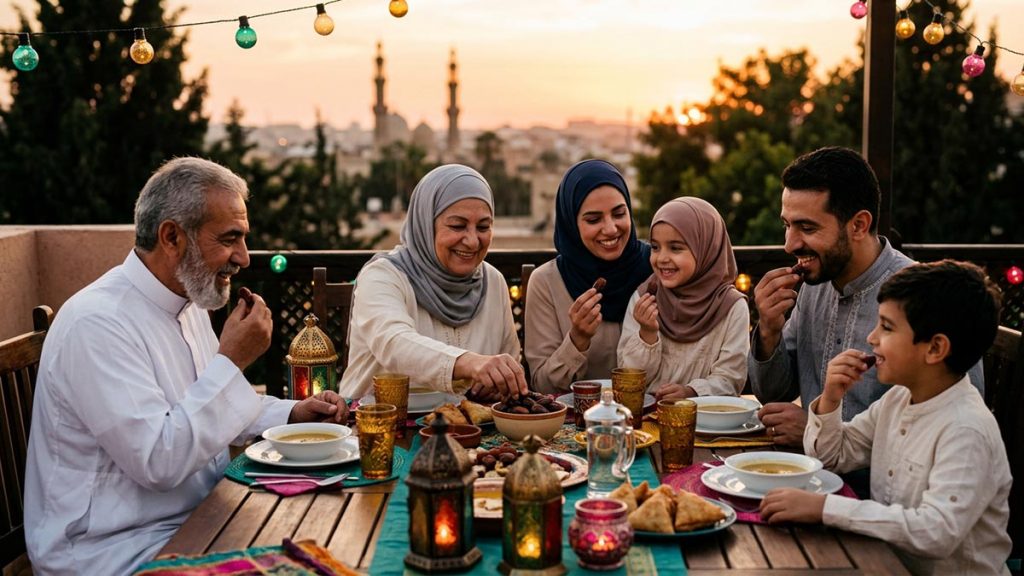
At its simplest, Ramadan Mubarak (رَمَضَان مُبَارَك) means “blessed Ramadan” or “may your Ramadan be blessed.” It is the greeting exchanged as the holy month arrives, wishing one another its blessing.
The word mubarak means “blessed.” The greeting asks Allah to fill the month with barakah — His lasting goodness — so that a believer’s fasting, prayer, and charity are accepted and rewarded.
It asks Allah to fill the month with His lasting goodness — so worship is accepted and rewarded.
Breaking Down Ramadan Mubarak
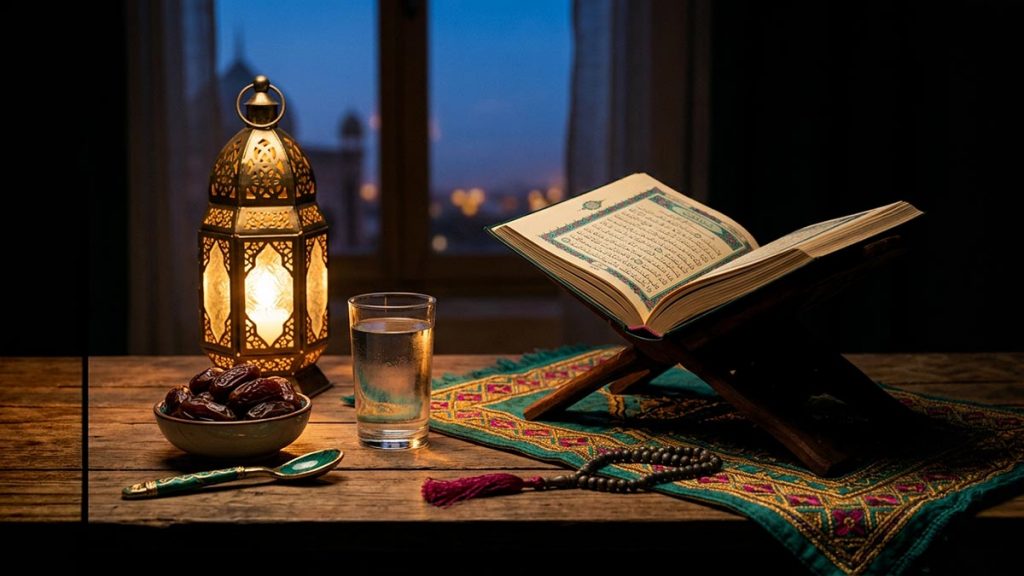
To feel the full weight of the phrase, it helps to unpack it word by word:
- Ramadan — رَمَضَان — the ninth month of the Islamic calendar, the month of fasting.
- Mubarak — مُبَارَك — “blessed,” from barakah — may your month be filled with it.
Together the words wish a blessed month — the holy season of fasting that opens with the first day of Ramadan.
Ramadan is the month of fasting, Mubarak means blessed.
Welcoming the Holiest Month
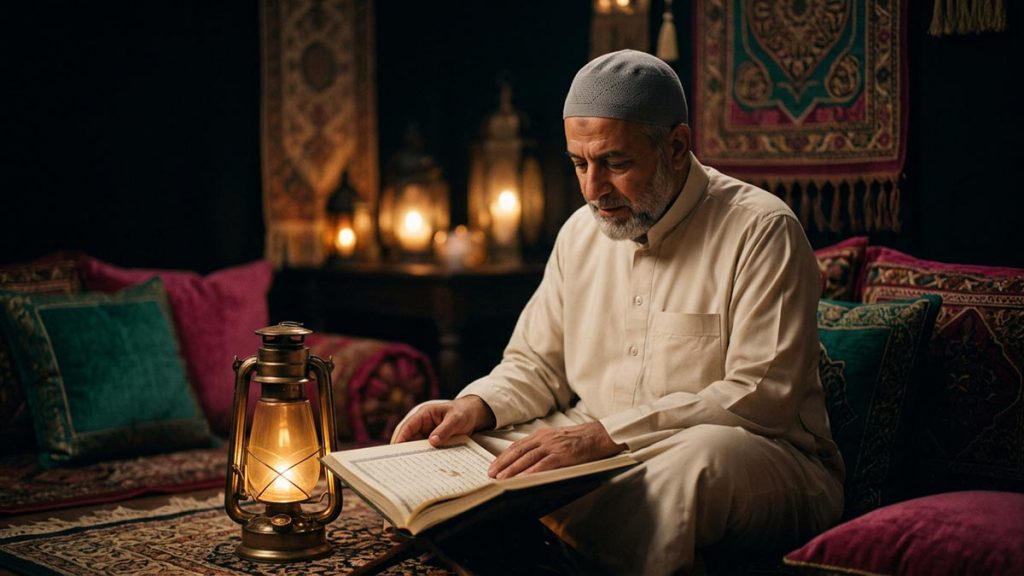
Ramadan is the most sacred month in Islam, in which the Quran was revealed and in which Muslims fast from dawn to sunset. It is a time of mercy, forgiveness, and drawing closer to Allah, when the community’s days are shaped by worship and its evenings by gathering.
The blessing of the month deepens toward its end, in the last ten nights of Ramadan and the Night of Decree. To greet it with Ramadan Mubarak is to welcome all of this — a whole month in which a believer hopes their worship will be blessed and their sins forgiven.
In Ramadan the Quran was revealed — a month of mercy and forgiveness.
When Do Muslims Say Ramadan Mubarak?
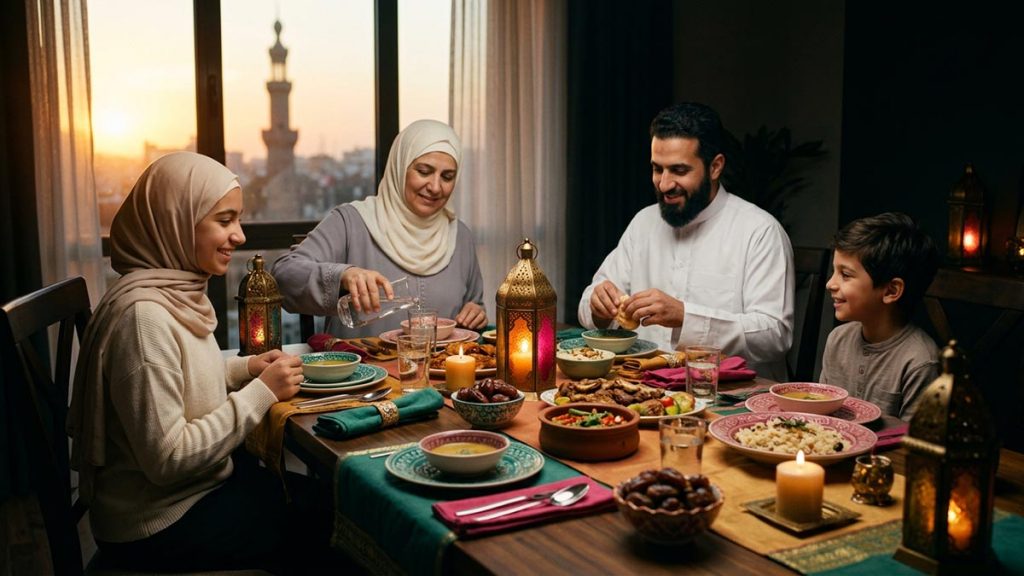
The greeting belongs to the month of Ramadan. Muslims say it as the month begins and throughout its days, to family, friends, and neighbours, and share it in messages and cards.
It is a warm way to welcome the sacred month and wish its blessings on one another. Wherever Muslims are keeping Ramadan, Ramadan Mubarak is among the most beloved ways they greet it.
Said as the month begins and through *its blessed days*.
5 Beautiful Ways Muslims Welcome Ramadan
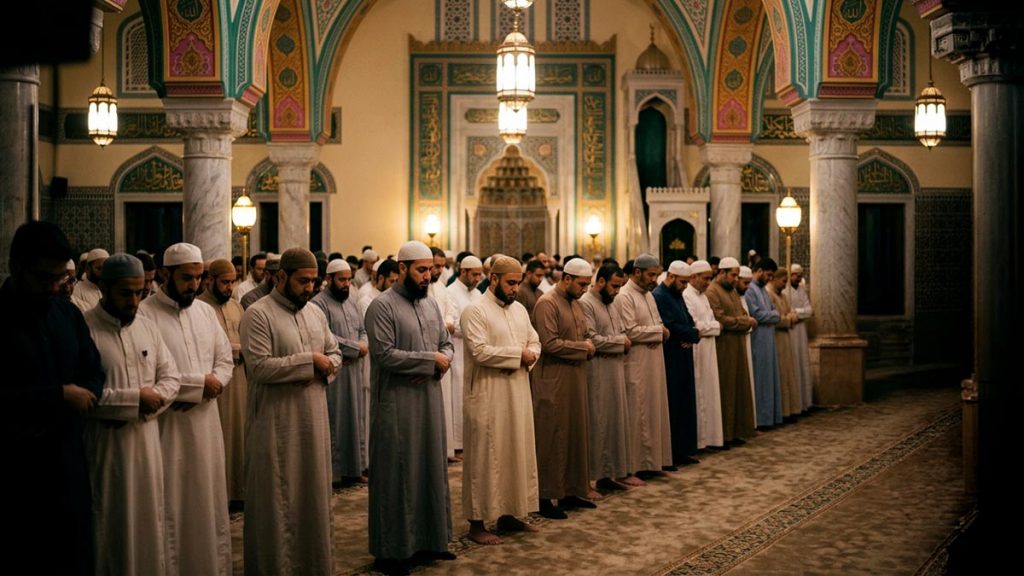
The arrival of Ramadan is met with joy and worship. Here are five:
- Greeting one another. Muslims exchange Ramadan Mubarak as the blessed month begins.
- Beginning the fast. The community starts fasting from dawn to sunset on the first day of Ramadan.
- Filling the nights with prayer. Believers gather for extra night prayers throughout the month.
- Giving in charity. Generosity and fasting go hand in hand as good deeds are multiplied.
- Seeking the Night of Decree. In the last ten nights of Ramadan, Muslims seek a night better than a thousand months.
In every way, Muslims welcome Ramadan with worship and warmth — a blessed month the whole community shares.
Its blessing comes from Allah.
Ramadan Mubarak and Related Greetings
It is the close companion of Ramadan Kareem, “generous Ramadan” — the two most common greetings of the holy month. Its blessings lead to Eid Mubarak, the greeting of Eid al-Fitr that ends the month.
Through Ramadan, the weekly Jummah Mubarak, “blessed Friday,” carries an extra glow — the blessing of Friday within the blessing of the month.
Why This Greeting Matters
The start of Ramadan could pass unmarked. Ramadan Mubarak turns it into a celebration, welcoming the holiest month with a prayer that Allah bless it for everyone.
In sharing it, a Muslim spreads the spirit of the month — gratitude, generosity, and hope. It draws the whole community together in welcoming a season of mercy, and reminds everyone that its blessing comes from Allah.
If this brightened your Ramadan, come and learn with us. Follow It’s About Islam on YouTube, TikTok and Pinterest for daily reminders, Quran reflections and the beautiful meanings behind the phrases every Muslim knows by heart.
It means “blessed Ramadan” or “may your Ramadan be blessed.” It is a greeting wishing one another the blessing of the holy month of fasting.
As Ramadan begins and throughout the month — to family, friends, and neighbours, in person and in messages — welcoming the sacred month and wishing its blessings.
Both greet the holy month. Ramadan Mubarak means “blessed Ramadan,” while Ramadan Kareem means “generous Ramadan.” Both are widely and warmly used, though some prefer Mubarak.
You reply with Ramadan Mubarak in return, wishing the same blessing back to the person who greeted you.
The greeting itself is a phrase of Muslim culture rather than a verse, but Ramadan and its fasting are commanded in the Quran, which was first revealed in this blessed month.