
Rabbana Duas
5 Powerful Prayers from the Quran
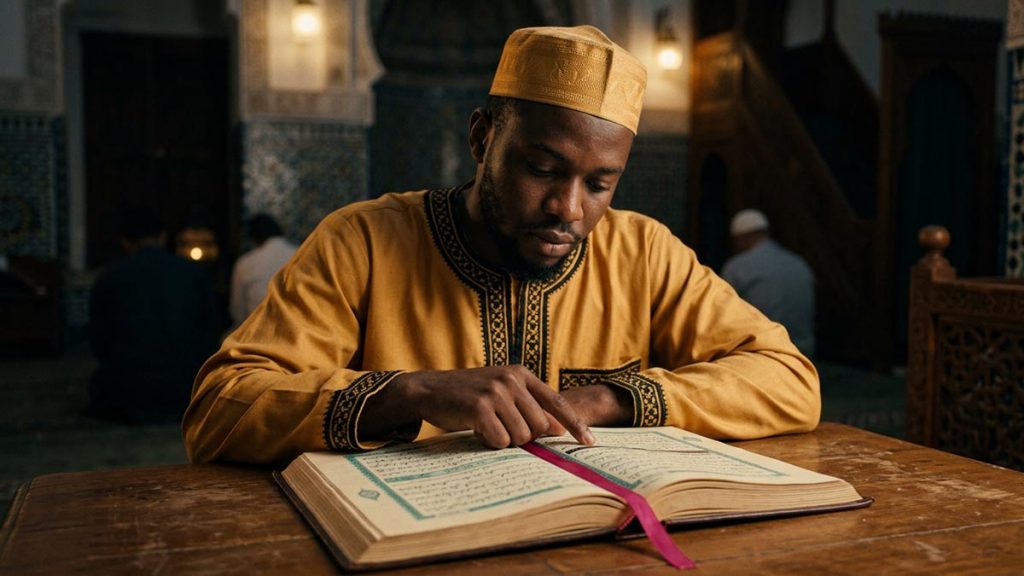
Throughout the Quran, Allah preserves a treasury of supplications that begin with the word Rabbana, meaning Our Lord. These Rabbana duas are among the most beloved prayers of the believers, taught by Allah Himself within His own book, so that those who recite them are using the very words He chose. From seeking good in both worlds to asking for forgiveness, mercy, steadfast faith and righteous families, the Rabbana duas cover nearly every need a believer could bring before Allah.
رَبَّنَا لَا تُؤَاخِذْنَا إِنْ نَسِينَا أَوْ أَخْطَأْنَا، رَبَّنَا وَلَا تَحْمِلْ عَلَيْنَا إِصْرًا كَمَا حَمَلْتَهُ عَلَى الَّذِينَ مِنْ قَبْلِنَا، رَبَّنَا وَلَا تُحَمِّلْنَا مَا لَا طَاقَةَ لَنَا بِهِ، وَاعْفُ عَنَّا وَاغْفِرْ لَنَا وَارْحَمْنَا، أَنْتَ مَوْلَانَا فَانْصُرْنَا عَلَى الْقَوْمِ الْكَافِرِينَ
Rabbanā lā tu’ākhidhnā in nasīnā aw akhta’nā, rabbanā wa lā tahmil ‘alaynā isran kamā hamaltahu ‘alal-ladhīna min qablinā, rabbanā wa lā tuhammilnā mā lā tāqata lanā bih, wa‘fu ‘annā waghfir lanā warhamnā, anta mawlānā fansurnā ‘alal-qawmil-kāfirīn.
“Our Lord, do not take us to task if we forget or make a mistake. Our Lord, do not place upon us a burden like that which You placed on those before us. Our Lord, do not burden us with what we have no strength to bear. Pardon us, forgive us, and have mercy upon us. You are our Protector, so grant us victory over the disbelieving people.”
There are around forty supplications in the Quran that open with Rabbana, each a model of how to call upon Allah with humility, hope and beautiful manners. Because they were revealed by Allah, they carry a special weight and blessing, and many believers memorise them to enrich their prayers and their daily remembrance. They begin by addressing Allah as Our Lord, affirming His care and our dependence, before laying a request before Him.
This guide explores the Rabbana duas, what they are, the comprehensive Rabbana dua that closes Surah Al-Baqarah, five powerful Rabbana prayers, and why they are so treasured, so that the believer may fill their supplications with the words Allah Himself taught, calling upon their Lord with the most beautiful of prayers.
What Are the Rabbana Duas?
The Rabbana duas are the supplications in the Quran that begin with the word Rabbana, which means Our Lord. There are around forty such prayers scattered throughout the book of Allah, spoken by the prophets, the angels, and the righteous believers, and preserved by Allah as a guide for all who came after. Because Allah Himself chose these words, reciting them is a way of asking Him with the very phrases He approved, which gives these prayers a unique status among all supplications.
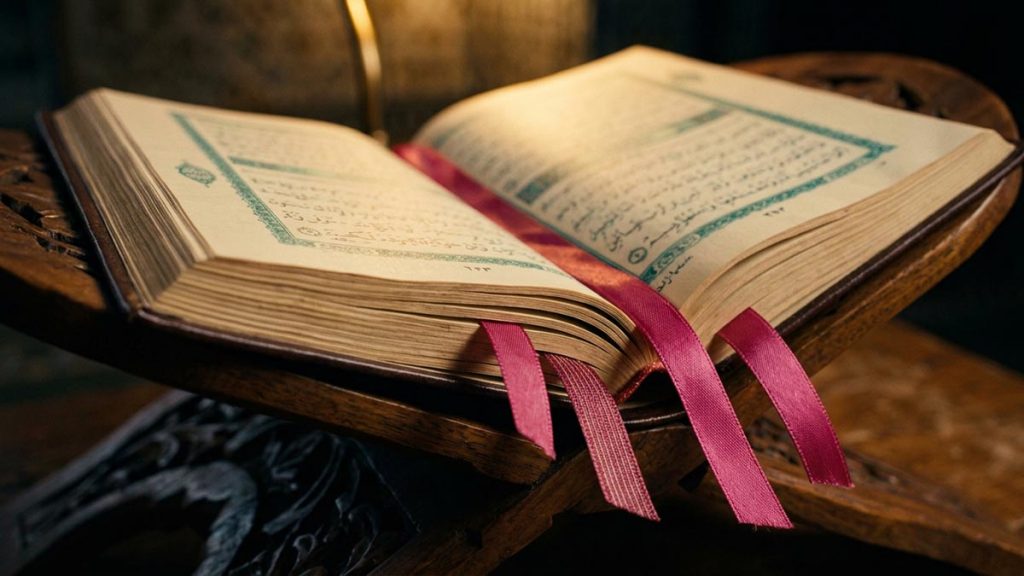
Each Rabbana dua begins by addressing Allah as Our Lord, a beautiful opening that acknowledges His lordship, His care, and our complete dependence on Him. This is the proper manner of supplication: to first affirm who Allah is and our relationship with Him, and only then to lay our request before Him. The Rabbana duas model this perfectly, teaching the believer to approach Allah with humility and recognition before asking.
The Rabbana duas cover an extraordinary range of needs. Some ask for good in this world and the next, some for forgiveness and mercy, some for steadfast faith and firm hearts, some for righteous spouses and children, and some for patience and victory. Together, they form a complete vocabulary of supplication, so that whatever a believer needs, they can likely find a Rabbana dua in the Quran that expresses it in the words of Allah Himself. This is a remarkable mercy, for the believer is never left to wonder whether their prayer is pleasing or correctly worded; they may simply borrow the language of revelation, certain that Allah, who chose these words, loves to hear them returned to Him.
The Comprehensive Rabbana Dua
Among all the Rabbana duas, the one that closes Surah Al-Baqarah is among the most comprehensive and beloved. In it, the believers ask Allah not to take them to task for forgetfulness or mistakes, not to place on them a heavy burden as He did on earlier nations, and not to burden them beyond their strength. They then ask for pardon, forgiveness and mercy, and affirm Allah as their Protector, asking for His help and victory. It gathers together humility, hope and reliance in a few profound lines.
This dua holds a special virtue. The Prophet Muhammad (pbuh) taught that the last two verses of Surah Al-Baqarah, of which this dua is the closing part, are such that whoever recites them at night, they will suffice him. They were given to the Prophet (pbuh) from a treasure beneath the Throne, granted to no prophet before him. This shows the immense value of this Rabbana dua and the protection and sufficiency it brings to the one who recites it.
What makes this dua so comprehensive is that it acknowledges human weakness so honestly. It admits that we forget, that we err, and that we cannot bear heavy burdens, and it throws the believer entirely upon the mercy and protection of Allah. Rather than claiming strength, it confesses need, and rather than demanding, it humbly asks for pardon and help. This is the spirit of all the Rabbana duas: turning to Allah in humble recognition of our dependence on Him.
أَنْتَ مَوْلَانَا فَانْصُرْنَا عَلَى الْقَوْمِ الْكَافِرِينَ
Anta mawlana fansurna ‘alal-qawmil-kafirin
You are our Protector so grant us victory over the disbelievers
Five Powerful Rabbana Prayers
The Quran is rich with Rabbana duas for every need. These five powerful prayers are among the most beloved, each addressing Allah as Our Lord.
- For good in both worlds: Our Lord, give us good in this world and good in the Hereafter, and protect us from the Fire.
- For pardon and help: Our Lord, do not take us to task if we forget or err, and pardon us, found in Surah Al-Baqarah.
- For steadfast faith: Our Lord, let not our hearts deviate after You have guided us, and grant us mercy from Yourself.
- For forgiveness: Our Lord, we have believed, so forgive us our sins and protect us from the punishment of the Fire.
- For a righteous family: Our Lord, grant us from our spouses and offspring comfort to our eyes, and make us leaders of the righteous.
رَبَّنَا لَا تُؤَاخِذْنَا إِنْ نَسِينَا أَوْ أَخْطَأْنَا
Rabbana la tu’akhidhna in nasina aw akhta’na
Our Lord do not take us to task if we forget or err
Why the Rabbana Duas Are Beloved
The Rabbana duas are beloved first because they are the words of Allah. When a believer recites them, they are not composing their own request, but using a supplication that Allah Himself placed in His book and approved. There is a special comfort and confidence in calling upon Allah with the very words He chose, knowing that these are prayers He loves to hear and answer.

They are also beloved for their perfect manners and balance. Each Rabbana dua opens by affirming Allah as Our Lord before asking, models humility and hope, and often pairs a request for this world with one for the Hereafter, keeping the believer balanced between both. They teach not only what to ask for, but how to ask, making them a complete school of supplication drawn from revelation itself.
Finally, the Rabbana duas are beloved because they are so comprehensive and easy to learn. Their phrasing is concise and memorable, so believers across the centuries have committed them to heart and woven them into their prayers, their sujud, and their daily remembrance. By learning even a handful of them, the believer enriches their connection with Allah and ensures that their supplications are filled with the most beautiful of words. Over time, each Rabbana dua becomes a familiar friend, rising readily to the lips in moments of need, joy, fear and hope, so that the believer is never without a beautiful way to call upon their Lord in the very language He chose to reveal.
وَالَّذِينَ يَقُولُونَ رَبَّنَا هَبْ لَنَا مِنْ أَزْوَاجِنَا وَذُرِّيَّاتِنَا قُرَّةَ أَعْيُنٍ
Walladhina yaquluna Rabbana hab lana min azwajina wa dhurriyyatina qurrata a‘yun
And those who say our Lord grant us comfort in our families
Making the Rabbana Duas Your Own
The Rabbana duas are a gift from Allah, a treasury of supplications waiting to enrich every believer’s prayers. By learning them and reciting them with understanding, the believer calls upon Allah with the words He Himself chose, covering every need from forgiveness and mercy to good in both worlds and a righteous family. These prayers turn the heart to Allah as Our Lord, with the humility, hope and beauty that all true supplication should carry. To make them part of one’s daily life is to walk in the footsteps of the prophets and the righteous, who first lifted these very words up toward the heavens above.
These supplications pair naturally with the dua of Prophet Muhammad for both worlds, and the dua for forgiveness. Together they help the believer fill their prayers with the words of Allah, calling upon their Lord with the most beautiful of supplications.
The Rabbana duas are a treasury of prayers Allah placed in His own book, beginning with Our Lord. Learn the Quranic duas with us on YouTube, where the supplications are recited aloud, on TikTok for a reminder to fill your prayers with the words of Allah, and on Facebook where readers share their favourite Rabbana duas.
Frequently Asked Questions
The Rabbana duas are the supplications in the Quran that begin with Rabbana, meaning Our Lord. There are around forty of them, spoken by the prophets, angels and believers, and preserved by Allah as a guide for all.
They are the very words Allah placed in His book, so reciting them is asking Him with the phrases He approved. They model perfect manners of supplication and cover nearly every need a believer has.
The Rabbana dua closing Surah Al-Baqarah is among the most comprehensive, asking Allah not to burden us beyond our strength, and for pardon, forgiveness, mercy and help. The Prophet (pbuh) taught its great virtue.
There are around forty supplications in the Quran that begin with the word Rabbana, scattered throughout the book. They cover forgiveness, mercy, faith, family, patience and good in both worlds.
Learning them lets you call upon Allah with the words He Himself chose, enriching your prayers with the most beautiful supplications. They are concise, memorable, and cover every need.
Recite them in your prayers, in sujud, after salah, and as part of your daily remembrance, choosing the ones that fit your need. They fill your supplications with the words of Allah.