
Dua for Safe Driving
Seek Refuge from 3 Dangers
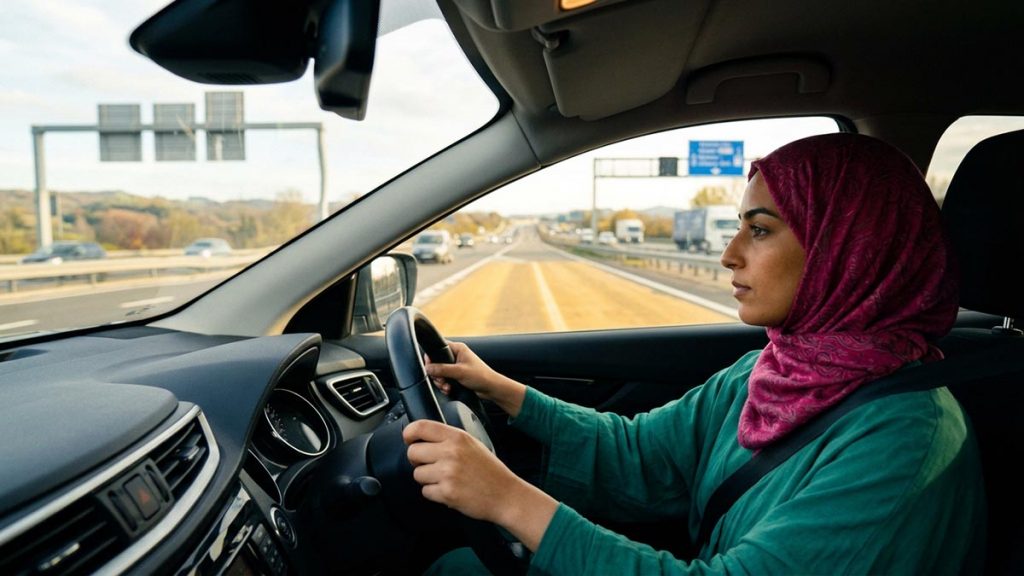
Driving is so much a part of daily life that its dangers are easily forgotten, yet every journey on the road carries real risk. The dua for safe driving seeks refuge in Allah from the hardships and harms of travel, placing the driver and all who share the road under His protection. The Prophet Muhammad (pbuh) taught a supplication of refuge for the traveller that fits the modern driver perfectly.
اللَّهُمَّ إِنِّي أَعُوذُ بِكَ مِنْ وَعْثَاءِ السَّفَرِ، وَكَآبَةِ الْمَنْظَرِ، وَسُوءِ الْمُنْقَلَبِ
Allāhumma innī a‘ūdhu bika min wa‘thā’is-safar, wa ka’ābatil-manzar, wa sū’il-munqalab.
“O Allah, I seek refuge in You from the hardship of the journey, from a sorrowful sight, and from an evil return.”
This guide explains the dua for safe driving, the three dangers it seeks refuge from, and the manners of a mindful Muslim driver, so that every time the believer takes the wheel he does so under the care of Allah and with consideration for others.
The Meaning of the Dua for Safe Driving

The dua for safe driving seeks refuge in Allah from three things that can befall a traveller: the hardship and fatigue of the journey, a sorrowful or distressing sight along the way, and an evil return home regarding one’s family or wealth. The Prophet (pbuh) taught this supplication for the traveller, and the dangers it covers map closely onto the risks of the road, from exhaustion at the wheel to accidents and the fear of returning to bad news.
By seeking refuge in Allah before driving, the believer admits that no amount of skill or caution can fully protect him without the care of Allah. He does his part by driving carefully and responsibly, and then entrusts the rest to the One who alone keeps every traveller safe.
Refuge from Three Dangers of the Road
The Prophet (pbuh) named three harms the traveller seeks refuge from, each one as relevant on the road today as it was in his time.
- The hardship of the journey, including the fatigue and strain that endanger a driver.
- A sorrowful sight, such as the distressing scenes of an accident on the road.
- An evil return, the fear of coming home to harm affecting family or wealth.
وَلَا تُلْقُوا بِأَيْدِيكُمْ إِلَى التَّهْلُكَةِ وَأَحْسِنُوا
Wa la tulqu bi’aydikum ilat-tahlukati wa ahsinu
Do not throw yourselves into destruction with your own hands and do good
Driving with Care and Trust in Allah
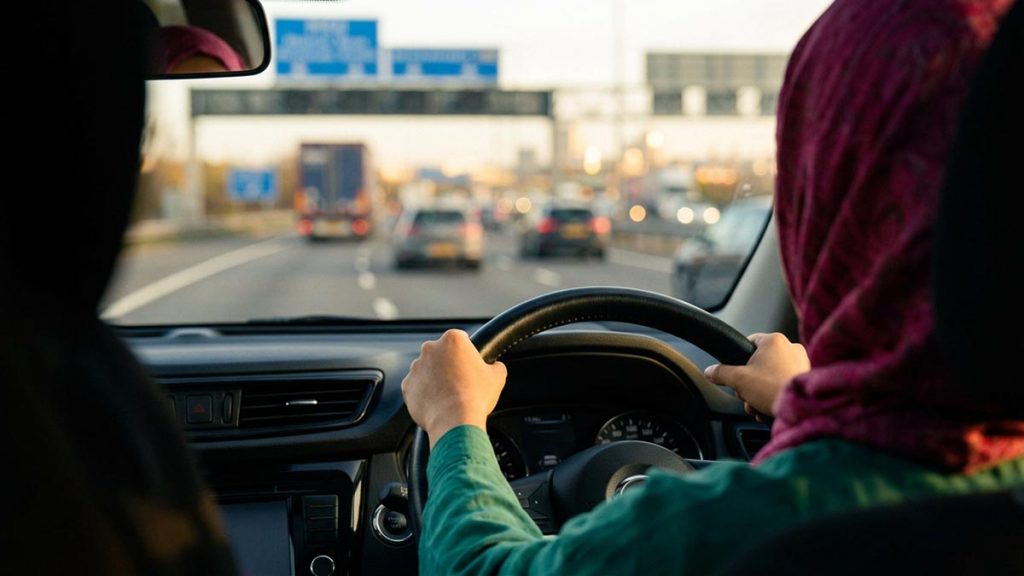
Islam pairs reliance on Allah with personal responsibility, and nowhere is this clearer than on the road. The dua for safe driving places the journey in the hands of Allah, while the believer fulfils his duty by driving with care, obeying the rules, and showing patience and consideration to others. A mindful Muslim driver does not speed recklessly or grow angry behind the wheel, knowing that the safety of others is a trust upon him.
To take refuge in Allah and then drive responsibly is to live the balance the Prophet (pbuh) taught, tying the camel and trusting in Allah. This supplication pairs naturally with the dua before driving recited as the engine starts, so that the believer sets off both protected by Allah and mindful of his duty to himself and to everyone who shares the road with him, for the safety of others is a sacred trust in the sight of Allah.
Taking the wheel with a dua and a careful heart keeps you and others safe under the protection of Allah. Learn the travel duas with us on YouTube, where the supplications are recited aloud, on TikTok for a reminder before you drive, and on Pinterest where readers share how they stay mindful on the road.
Frequently Asked Questions
The dua for safe driving is Allahumma inni a‘udhu bika min wa‘thaa’is-safar, seeking refuge in Allah from the hardship of the journey, a sorrowful sight and an evil return. The Prophet (pbuh) taught it for the traveller, and it suits the modern driver.
It seeks refuge from the hardship of the journey, a sorrowful sight along the way, and an evil return home regarding family or wealth. These map onto the real risks a driver faces on the road.
No, Islam pairs trust in Allah with responsibility, so the believer drives carefully and obeys the rules while relying on Allah for protection. The Prophet (pbuh) taught tying the camel first and then trusting in Allah.
Say it as you set off, after the dua for boarding, placing the journey under the protection of Allah. You can repeat it on long drives whenever you feel the need for reassurance.
A mindful Muslim driver obeys the rules, avoids reckless speed and anger, and shows patience and consideration to others, knowing their safety is a trust. Good character on the road is part of the faith.
Yes, you may say the conveyance dua of Surah Az-Zukhruf and seek refuge in Allah from harm in your own words. Any sincere turning to Allah for protection on the road is beneficial.