
Dua for Qiyam al-Layl
3 Reasons to Pray in the Night

Qiyam al-Layl, the standing in prayer during the night, is among the noblest acts of worship, beloved to Allah and a mark of the sincere believer. In the depth of the night, when the world sleeps, Allah descends to the lowest heaven and calls out, asking who is supplicating so that He may answer, who is asking so that He may give, and who is seeking forgiveness so that He may forgive. The dua for Qiyam al-Layl is offered in this most blessed of times, when the call of Allah invites the believer to ask.
مَنْ يَدْعُونِي فَأَسْتَجِيبَ لَهُ، مَنْ يَسْأَلُنِي فَأُعْطِيَهُ، مَنْ يَسْتَغْفِرُنِي فَأَغْفِرَ لَهُ
Man yad‘ūnī fa-astajība lah, man yas’alunī fa-u‘tiyah, man yastaghfirunī fa-aghfira lah.
“Who is calling upon Me that I may answer him? Who is asking of Me that I may give him? Who is seeking My forgiveness that I may forgive him?”
Standing in the night carries a reward and a closeness to Allah that few other acts can match. It was the practice of the prophets and the righteous, who would shorten their sleep to stand before Allah in the stillness of the night. This guide explains the dua for Qiyam al-Layl and three reasons to pray in the night, so that the worshipper may answer the call of Allah and rise to seek His mercy, forgiveness and bounty in the blessed hours.
The Call of Allah in the Night
The Prophet (pbuh) taught that in the last third of every night, Allah descends to the lowest heaven in a manner befitting His majesty, and calls out the words quoted above: who is calling upon Me that I may answer him, who is asking of Me that I may give him, who is seeking My forgiveness that I may forgive him. This is a magnificent invitation, in which Allah Himself calls the believer to ask, to seek, and to repent in the depth of the night.

This hadith reveals why Qiyam al-Layl is so blessed. The one who rises to stand in prayer at this hour answers a direct call from Allah, who promises to answer, to give, and to forgive. There is no time more hopeful for supplication, for the believer asks at the very moment Allah invites them to ask. The dua for Qiyam al-Layl is therefore among the most likely to be answered, offered in response to the generous call of Allah.
Three Reasons to Pray in the Night
Standing in prayer at night brings reward, nearness and answered supplication. These three reasons encourage the believer to pray in the night.
- Allah calls in the last third of the night, inviting the believer to ask so that He may answer.
- It is the honour of the believer, the practice of the prophets and the righteous before us.
- It draws nearness to Allah, lifting the worshipper in rank and softening the heart in worship.
تَتَجَافَىٰ جُنُوبُهُمْ عَنِ الْمَضَاجِعِ يَدْعُونَ رَبَّهُمْ
Tatajafa junubuhum ‘anil-madaji‘i yad‘una Rabbahum
Their sides forsake their beds calling upon their Lord
Answering the Call to Stand
The dua for Qiyam al-Layl is offered in the most blessed of times, when Allah descends and calls the believer to ask, seek and repent. By rising to stand in prayer in the night, the worshipper answers the direct call of Allah, who promises to answer, give and forgive. Joining the practice of the prophets and the righteous, the believer draws near to Allah, lifts their rank, and offers supplication at the very moment it is most likely to be answered, seeking the mercy and bounty of their Lord.
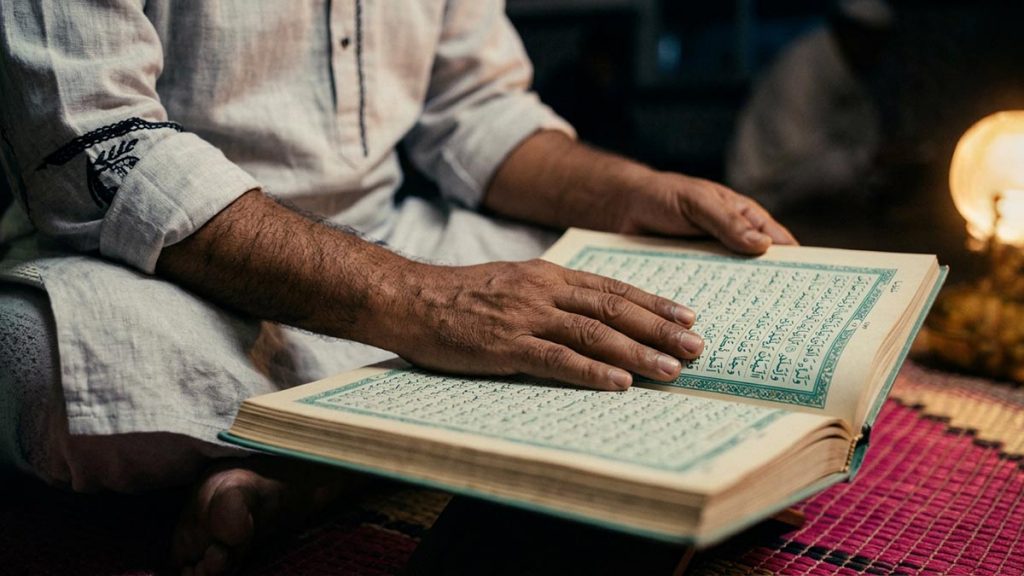
This supplication pairs naturally with the dua for Tahajjud and the Qunoot al-Witr that seals the night prayer. Together they help the worshipper fill the night with the worship and remembrance of Allah.
In the last third of the night, Allah calls out asking who will supplicate so He may answer. Learn the duas of salah with us on YouTube, where the supplications are recited aloud, on Facebook for a reminder to answer the call and pray in the night, and on X where readers share how they stand before Allah at night.
Frequently Asked Questions
Qiyam al-Layl is the standing in prayer during the night, among the noblest acts of worship. It includes the voluntary night prayers offered in the blessed hours, especially the last third of the night.
The Prophet (pbuh) taught that Allah descends to the lowest heaven and calls out: who is calling upon Me that I may answer him, who is asking of Me that I may give him, who is seeking forgiveness that I may forgive him.
Because the believer who stands in prayer answers a direct call from Allah, who promises to answer, give and forgive in the last third of the night. There is no time more hopeful for supplication.
The last third of the night is the most blessed time, when Allah descends and invites the believer to ask. It was the practice of the prophets and the righteous to rise and stand before Allah then.
Qiyam al-Layl is the broader standing in prayer during the night, while Tahajjud specifically refers to the night prayer offered after sleeping. Both draw the believer near to Allah in the blessed hours.
The believer may ask Allah for anything good, seeking His mercy, forgiveness and bounty, for it is the time He invites supplication. The dua for Qiyam al-Layl is among the most likely to be answered.