
Dua for Gratitude
3 Things to Know About Thanking Allah
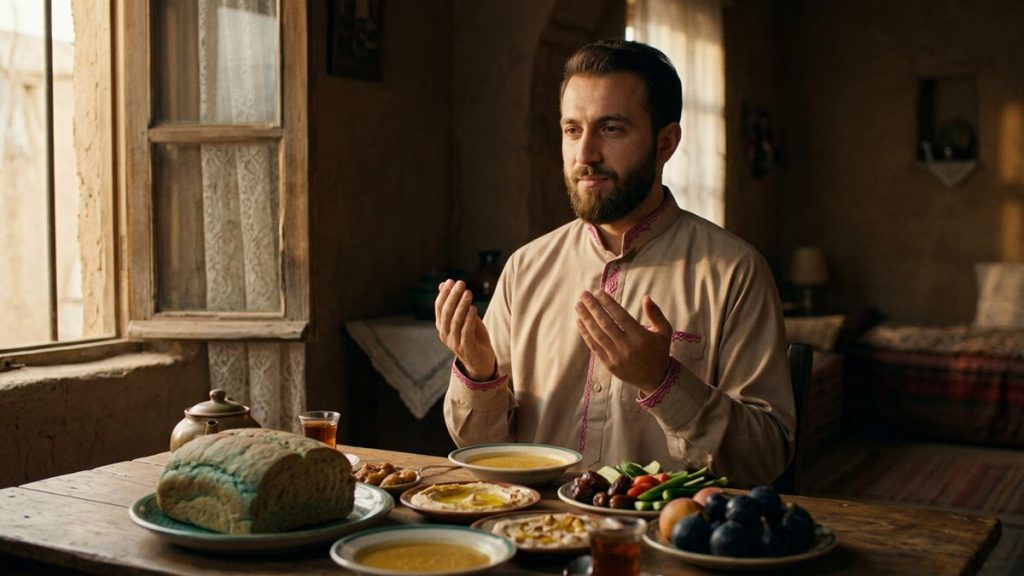
Gratitude is the response of the believer to the countless blessings of Allah, and thanking Him is a means of drawing nearer to Him and of increasing His favours. The Prophet Muhammad (pbuh) loved a companion named Muadh and taught him a beautiful supplication, asking Allah for help in remembering Him, thanking Him, and worshipping Him well. The dua for gratitude turns the heart to the praise of Allah, recognising that every blessing comes from Him and seeking His help to be truly thankful.
اللَّهُمَّ أَعِنِّي عَلَى ذِكْرِكَ وَشُكْرِكَ وَحُسْنِ عِبَادَتِكَ
Allahumma a‘inni ‘ala dhikrika wa shukrika wa husni ‘ibadatik.
“O Allah, help me to remember You, to thank You, and to worship You well.”
Gratitude is not only words but a state of the heart that shows in the believer using the blessings of Allah in obedience to Him. This guide explains the dua for gratitude and three things to know about thanking Allah, so that the believer may grow in thankfulness, asking Allah for help to remember and thank Him, recognising His blessings in every part of life, and holding onto His beautiful promise that if they are grateful, He will increase them in His favour and blessing.
The Supplication Taught to Muadh
The Prophet (pbuh) took the hand of his beloved companion Muadh and told him that he loved him, then advised him never to leave reciting after every prayer the beautiful supplication quoted above, asking Allah for help in remembering Him, thanking Him, and worshipping Him well. This shows how dear gratitude is, that the Prophet (pbuh) gave this advice as a sign of his love. By reciting it, the believer asks Allah for the very help they need to be thankful.
It is striking that the believer asks Allah for help even in thanking Him, recognising that gratitude itself is a gift from Allah and cannot be achieved without His aid. The one who is able to thank Allah has been enabled by Allah to do so, which is itself a blessing deserving of thanks. The dua for gratitude reflects this beautiful humility, as the believer turns to Allah not only to praise Him, but to ask for His help in praising and worshipping Him as He deserves.
Three Things to Know About Thanking Allah
Gratitude draws the believer nearer to Allah and increases His blessings. These three things help the believer thank Allah.
- Recite the supplication taught to Muadh, asking Allah for help to remember and thank Him.
- Show gratitude in action, using the blessings of Allah in obedience to Him.
- Hold onto the promise that if you are grateful, Allah will increase you in His favour.
لَئِنْ شَكَرْتُمْ لَأَزِيدَنَّكُمْ
La’in shakartum la’azidannakum
If you are grateful I will surely increase you
Growing in Thankfulness
The dua for gratitude turns the heart to the praise of Allah, seeking His help to be truly thankful. By reciting the supplication taught to Muadh, showing gratitude in action, and holding onto the promise that gratitude increases blessings, the believer grows in thankfulness in the best way. Every blessing comes from Allah, and the grateful believer draws nearer to Him and is increased in His favour, for Allah has promised that if His servants are grateful, He will give them yet more.
This supplication pairs naturally with the dua for hope and the dua for happiness. Together they help the believer fill the heart with the praise and remembrance of Allah.
The Prophet (pbuh) advised his beloved companion to ask Allah for help to remember Him, thank Him, and worship Him well. Learn the duas for life with us on YouTube, where the supplications are recited aloud, on TikTok for a reminder to thank Allah, and on Pinterest where readers share their gratitude.
Frequently Asked Questions
The dua for gratitude is the supplication the Prophet (pbuh) taught Muadh: Allahumma ainni ala dhikrika wa shukrika wa husni ibadatik, O Allah help me to remember You, to thank You, and to worship You well.
The Prophet (pbuh) advised Muadh never to leave reciting it after every prayer. The believer may recite it after the prayers and at any time to ask Allah for help in remembering and thanking Him.
Because gratitude itself is a gift from Allah and cannot be achieved without His aid. The believer who is able to thank Allah has been enabled by Him, so the believer humbly asks Allah for help even in praising Him.
Gratitude is shown by using the blessings of Allah in obedience to Him, such as using health, wealth and time in ways that please Him. True thankfulness is a state of the heart that shows in the believer actions.
Yes, Allah promises in His Book that if His servants are grateful, He will increase them in His favour and blessing. Gratitude is therefore a means of drawing nearer to Allah and of gaining yet more of His bounty.
The believer asks Allah for help to be grateful, reflects on His countless blessings, and remembers that even the ability to breathe and think is a favour. Reciting the supplication of gratitude itself is a step toward a thankful heart.