
Dua for Fatigue
3 Ways to Renew Your Strength
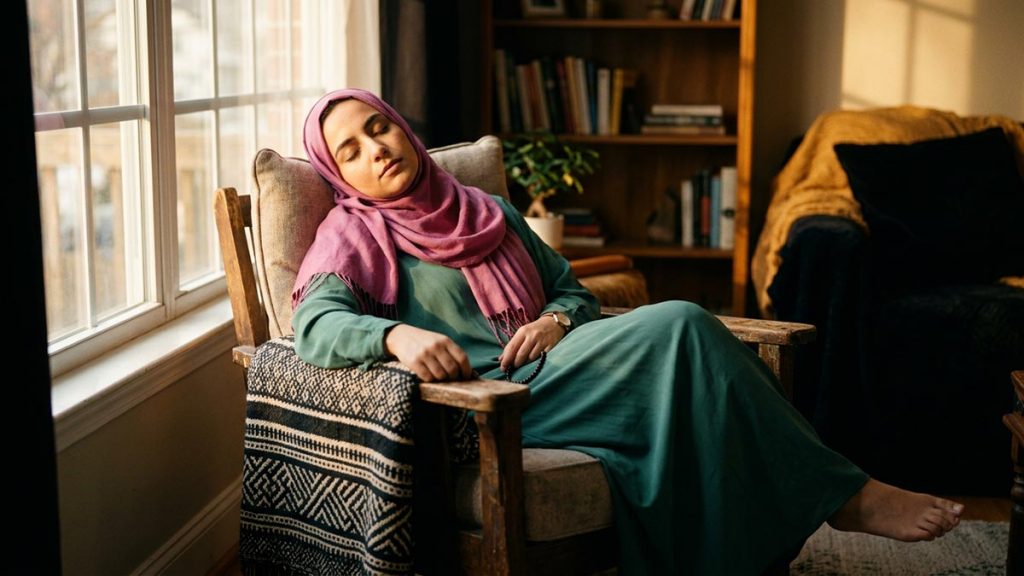
When weariness sets in and the body and spirit feel drained, the believer turns to Allah, the source of all strength, for help to keep going. The dua for fatigue draws on a beloved supplication the Prophet Muhammad (pbuh) taught a companion, asking Allah for help to remember Him, to thank Him, and to worship Him well. It reminds the believer that even when their own strength runs low, the help of Allah can renew them, carrying them through what they cannot manage alone.
اللَّهُمَّ أَعِنِّي عَلَى ذِكْرِكَ وَشُكْرِكَ وَحُسْنِ عِبَادَتِكَ
Allāhumma a‘innī ‘alā dhikrika wa shukrika wa husni ‘ibādatik.
“O Allah, help me to remember You, to thank You, and to worship You well.”
This guide explains the dua for fatigue, the meaning of asking Allah for help in His remembrance and worship, and three ways to renew your strength, so that the believer may draw on the help of Allah when weary, while also caring for their body and rest as Islam encourages.
The Meaning of the Dua for Fatigue
The dua for fatigue is a supplication the Prophet (pbuh) loved so much that he took a companion by the hand and told him never to leave saying it after every prayer: asking Allah for help to remember Him, to thank Him, and to worship Him well. While its words speak of worship, its heart is an admission of human weakness, that we cannot even remember or thank Allah, let alone carry life’s burdens, without His help. When weariness drains the body and spirit, this dua turns to the true source of all strength.

Fatigue reminds us how limited our own strength is, and how quickly it runs out. The dua for fatigue meets this by asking Allah for help, recognising that He can renew a weary servant and carry them through what they cannot manage alone. The believer makes their effort and rests as the body needs, but leans on the help of Allah for the strength to keep going, certain that He never leaves those who turn to Him without aid.
اللَّهُمَّ أَعِنِّي عَلَىٰ ذِكْرِكَ وَشُكْرِكَ وَحُسْنِ عِبَادَتِكَ
Allahumma a‘inni ‘ala dhikrika wa shukrika wa husni ‘ibadatik
Help me to remember You and to thank You and worship You well
Three Ways to Renew Your Strength
When weary, the believer renews their strength by leaning on Allah and caring for the body. These three help renew a tired self.
- Ask Allah for help, leaning on the source of all strength when your own runs low.
- Turn to remembrance and prayer, which revive the heart and renew the spirit.
- Rest and care for your body, taking the rest Islam encourages as part of wellbeing.
Drawing Strength from Allah
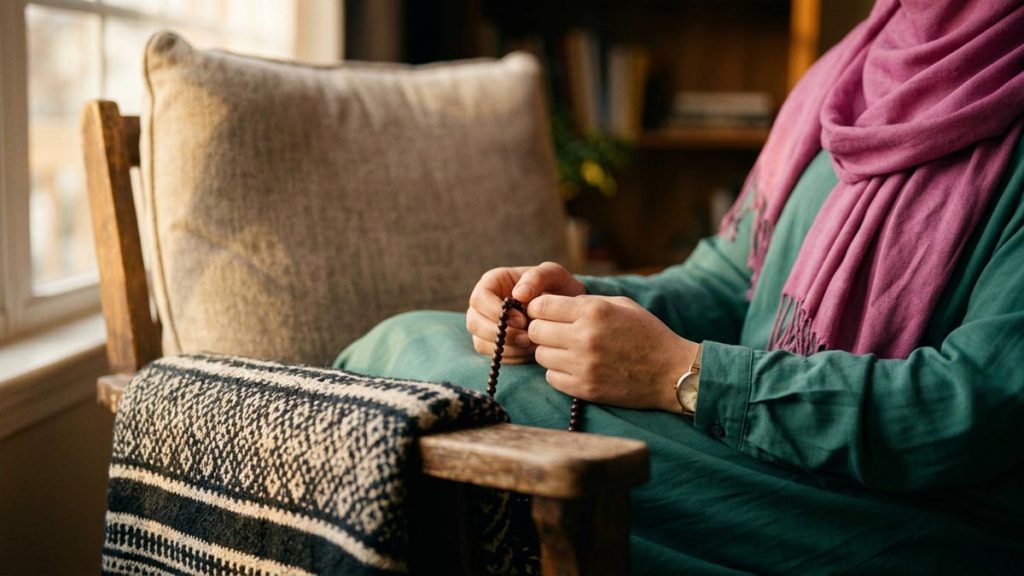
Weariness can drain the body and dull the spirit, but the believer is never left without a source of renewal. The dua for fatigue turns to Allah for help when one’s own strength runs low, asking Him for aid in remembering, thanking and worshipping Him, and in carrying the burdens of life. Drawing on the help of Allah while resting and caring for the body, the believer finds the strength to keep going, certain that the One who created strength can renew it.
This supplication pairs naturally with the dua for strength that asks Allah to ease the task, and the dua for insomnia for restful sleep. Together they help the believer renew their strength, drawing on the help of Allah when weary.
When our own strength runs low, the help of Allah can renew the weary heart and body. Learn the healing duas with us on YouTube, where the supplications are recited aloud, on Threads for a reminder to lean on Allah when tired, and on LinkedIn where readers share how they renew their strength through Him.
Frequently Asked Questions
The dua for fatigue is Allahumma a‘inni ‘ala dhikrika wa shukrika wa husni ‘ibadatik, asking Allah for help to remember, thank and worship Him. The Prophet (pbuh) loved it and taught saying it after every prayer.
Say it when weary or drained, and after each prayer as the Prophet (pbuh) advised, asking Allah for help and strength. It turns to the true source of all strength when your own runs low.
It admits human weakness and asks Allah for help, recognising that He can renew a weary servant and carry them through. Leaning on Allah renews the strength that our own effort cannot sustain.
No, the believer rests and cares for their body as Islam encourages, while also leaning on the help of Allah for strength. Rest and reliance on Allah go together.
He took a companion by the hand and urged him never to leave it after prayer, showing its great value in admitting our need for the help of Allah. It is a beautiful reminder of our reliance on Him.
The dua for strength asks Allah to expand the chest and ease the task, and the dua for insomnia helps with restful sleep. Together with the dua for fatigue, they renew the weary believer.