
Dua Before Boarding a Ship
3 Lessons from Nuh’s Ark
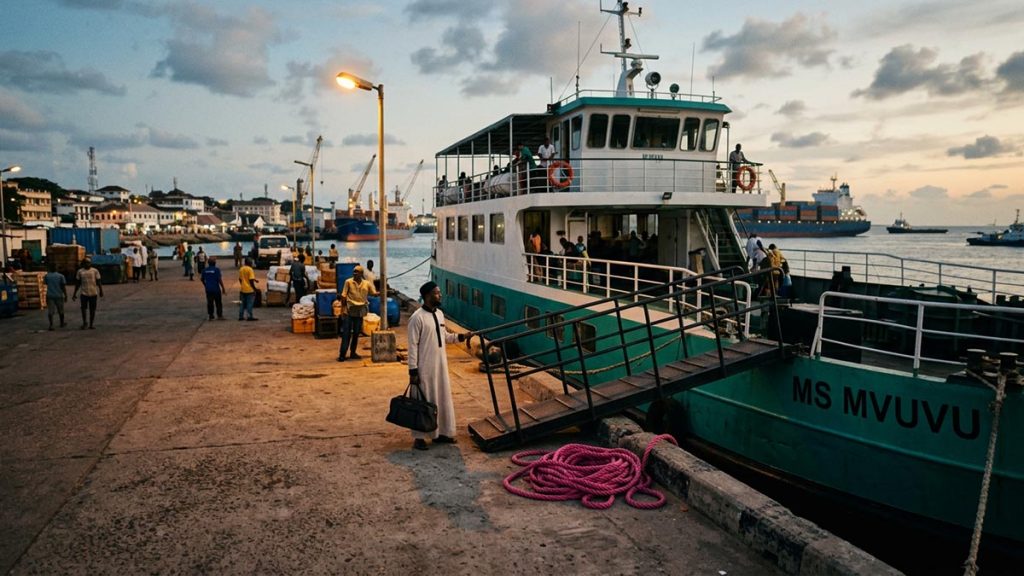
The sea is one of the most powerful and humbling of the creations of Allah, and to cross it is to feel utterly dependent on Him. The dua before boarding a ship is taken from the very words of Prophet Nuh as he boarded the ark, placing the ship’s sailing and its anchoring in the name of Allah. The believer who recites it steps onto the water trusting in the One who commands the waves.
This short guide gathers the dua before boarding a ship with three lessons drawn from the ark of Nuh, so that a voyage across the sea becomes a journey of trust, humility and reliance on Allah, who alone holds the vast waters in His control.
The Meaning of the Dua Before Boarding a Ship
The dua before boarding a ship comes from Surah Hud, where Prophet Nuh, peace be upon him, commanded his followers to board the ark saying that in the name of Allah is its sailing and its anchoring. With these words the believer places the entire voyage, its setting out and its safe arrival, in the hands of Allah. The sea answers to no human captain in the end, and so the traveller crosses it relying on the One who sends the winds and calms the waters.

To say these words on boarding a ship is to follow a prophet who faced the greatest flood in history with nothing but trust in Allah. The same name of Allah that carried the ark safely through the rising waters is the name in which the believer sets sail today.
ارْكَبُوا فِيهَا بِسْمِ اللَّهِ مَجْرَاهَا وَمُرْسَاهَا
Irkabu fiha bismillahi majraha wa mursaha
In the name of Allah is its sailing and its anchoring so board it in trust
Three Lessons from the Ark of Nuh
The story of Nuh and the ark, recalled in this supplication, carries timeless lessons for every traveller upon the sea.
- Place both the sailing and the safe arrival in the name of Allah.
- Trust Allah completely, as Nuh did when he faced the rising flood.
- See the ships upon the sea as among the great signs of Allah.
وَمِنْ آيَاتِهِ الْجَوَارِ فِي الْبَحْرِ كَالْأَعْلَامِ
Wa min ayatihil-jawari fil-bahri kal-a‘lam
And among His signs are the ships sailing the sea like towering mountains
Setting Sail in the Name of Allah
The open sea strips away every illusion of human control, leaving the traveller face to face with the power of Allah. The dua before boarding a ship answers that vulnerability with the words of a prophet, placing the voyage in the name of Allah from the moment of departure to the safety of the shore. The believer crosses the water not in fear of the waves but in trust of the One who commands them.
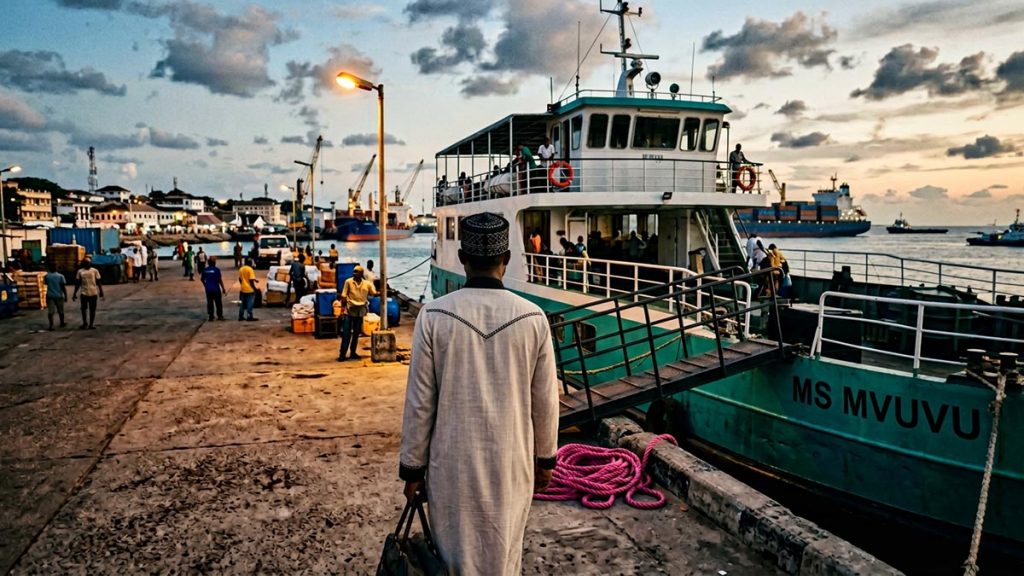
This supplication, like the wider travel duas, teaches reliance on Allah in every journey. It reflects the trust at the heart of patience in Islam, where the believer faces even the vastness of the sea with a heart anchored firmly in Allah.
Setting sail in the name of Allah, just as Nuh did, turns a sea voyage into a journey of trust. Learn the travel duas with us on YouTube, where the supplications are recited aloud, on Instagram for a reminder before your next voyage, and on LinkedIn where readers share how they keep faith on every journey.
Frequently Asked Questions
The dua before boarding a ship is from Surah Hud, Bismillahi majraha wa mursaha, in the name of Allah is its sailing and its anchoring. These were the words of Prophet Nuh as he boarded the ark.
Prophet Nuh said these words as he boarded the ark before the great flood, placing the whole voyage in the name of Allah. Reciting them connects the believer to a prophet who faced the sea with complete trust in Allah.
Say it as you board the ship, before it sets sail, placing both the journey and the arrival in the name of Allah. It opens the voyage with trust in the One who commands the sea.
Yes, the general conveyance dua of Surah Az-Zukhruf applies to all travel, including by sea. The verse of Surah Hud is the more specific supplication for boarding a ship, drawn from the words of Nuh.
The Quran describes the ships sailing the sea like mountains as among the signs of Allah, showing His power and mercy. Crossing the sea reminds the believer how completely he depends on the One who holds the waters in His control.