
Dua After Surgery
3 Ways to Give Thanks and Seek Recovery
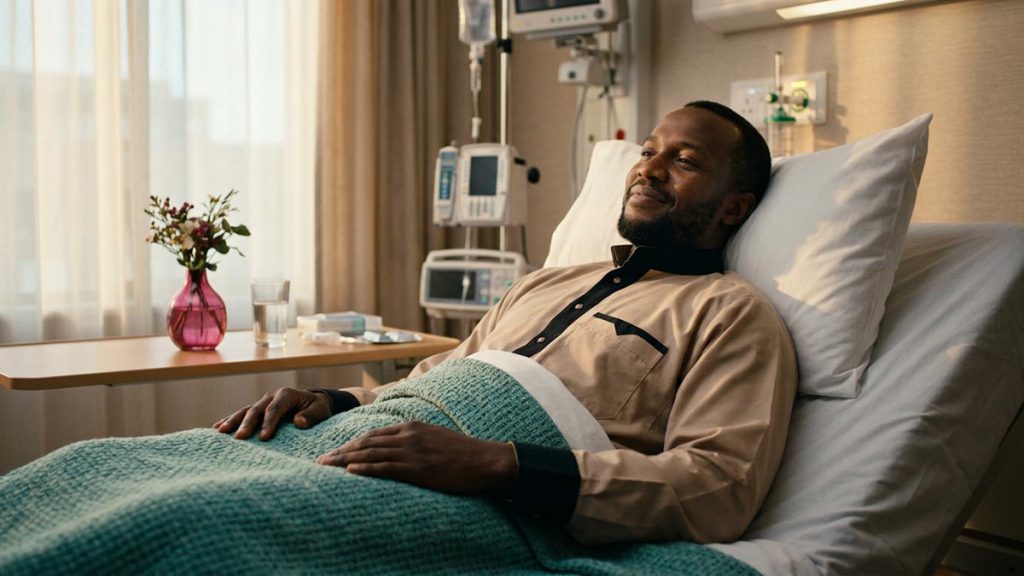
When a surgery is over, the believer’s first response is gratitude to Allah, whose favour carried them through. The dua after surgery draws on the supplication the Prophet Muhammad (pbuh) made when something good was completed, praising Allah by whose favour all good things are accomplished. It turns the heart to thankfulness for the safe completion of the operation, while continuing to seek from Allah the full recovery that lies ahead.
الْحَمْدُ لِلَّهِ الَّذِي بِنِعْمَتِهِ تَتِمُّ الصَّالِحَاتُ
Alhamdulillāhil-ladhī bi ni‘matihi tatimmus-sālihāt.
“All praise is for Allah, by whose favour good things are completed.”
This guide explains the dua after surgery, the meaning of praising Allah when good is completed, and three ways to give thanks and seek recovery, so that the believer may meet the end of an operation with gratitude and hope, thanking Allah for what He has accomplished and asking Him for the healing still to come.
The Meaning of the Dua After Surgery
The dua after surgery is a beautiful phrase of praise the Prophet (pbuh) would say when something good was completed or a blessing was fulfilled: all praise is for Allah, by whose favour good things are completed. It acknowledges that no good is ever accomplished except by the favour and enabling of Allah. When a surgery is safely over, this dua turns the heart to gratitude, recognising that it was the favour of Allah, working through the means, that carried the believer through.
Gratitude after a trial is a beautiful act of faith. The Prophet (pbuh) taught that whoever is grateful for a blessing will have it increased, and that the believer’s affair is always good, giving thanks in ease and patience in hardship. By praising Allah after surgery, the believer not only acknowledges His favour but invites its increase, continuing to lean on Him for the recovery still to come.
Three Ways to Give Thanks and Seek Recovery
After surgery, the believer gives thanks and seeks the healing ahead. These three turn the heart to gratitude and hope.
- Praise Allah by whose favour good is completed, thanking Him for the safe operation.
- Seek a full recovery, asking Allah for the healing still to come.
- Remain patient and trusting, knowing the believer’s affair is always good.
لَئِنْ شَكَرْتُمْ لَأَزِيدَنَّكُمْ
La’in shakartum la’azidannakum
If you are grateful I will surely increase you in blessings
Meeting Recovery with Gratitude and Hope
The completion of a surgery is a moment for gratitude, for it was the favour of Allah that carried the believer through. The dua after surgery turns the heart to thankfulness, praising Allah by whose favour all good is accomplished, while continuing to seek the full recovery still ahead. Met with gratitude and hope, and alongside the medical care that recovery calls for, the believer leans on Allah for the healing to come, trusting that their affair is always good. Every day of strength returning is a renewed favour from Allah, and the grateful heart sees His hand in each small step of recovery, thanking Him not only for the operation safely behind them but for the healing that is slowly unfolding before them, one quiet day at a time, by the mercy of Allah.
This supplication pairs naturally with the dua before surgery that entrusts the outcome to Allah, and the dua during recovery. Together they carry the believer through an operation and its healing, placing both in the hands of Allah with gratitude and hope.
When a surgery is safely over, the believer’s first response is gratitude to Allah, whose favour carried them through. Learn the healing duas with us on YouTube, where the supplications are recited aloud, on X for a reminder to give thanks after a trial, and on Pinterest where readers share how they meet recovery with gratitude and hope.
Frequently Asked Questions
The dua after surgery is Alhamdulillahil-ladhi bi ni‘matihi tatimmus-salihat, all praise is for Allah, by whose favour good things are completed. The Prophet (pbuh) said it when something good was accomplished.
Say it when a surgery is safely over, thanking Allah whose favour carried you through, and continue to ask Him for a full recovery. It turns the heart to gratitude and hope.
Because no good is ever accomplished except by the favour of Allah, working through the means, so the safe completion of surgery is His favour. Gratitude acknowledges His blessing and invites its increase.
Yes, the Prophet (pbuh) taught that whoever is grateful for a blessing will have it increased, and the Quran promises that gratitude brings increase. Thanking Allah after surgery invites His continued favour.
You can ask Allah for healing and a full recovery alongside giving thanks, leaning on Him for the recovery ahead. The dua during recovery also gives thanks as healing returns.
The Prophet (pbuh) taught that the believer’s affair is always good, giving thanks in ease and patience in hardship. After surgery, the believer meets recovery with gratitude, patience and trust in Allah.