
Dua After Tasleem
3 Beautiful Supplications After the Salam
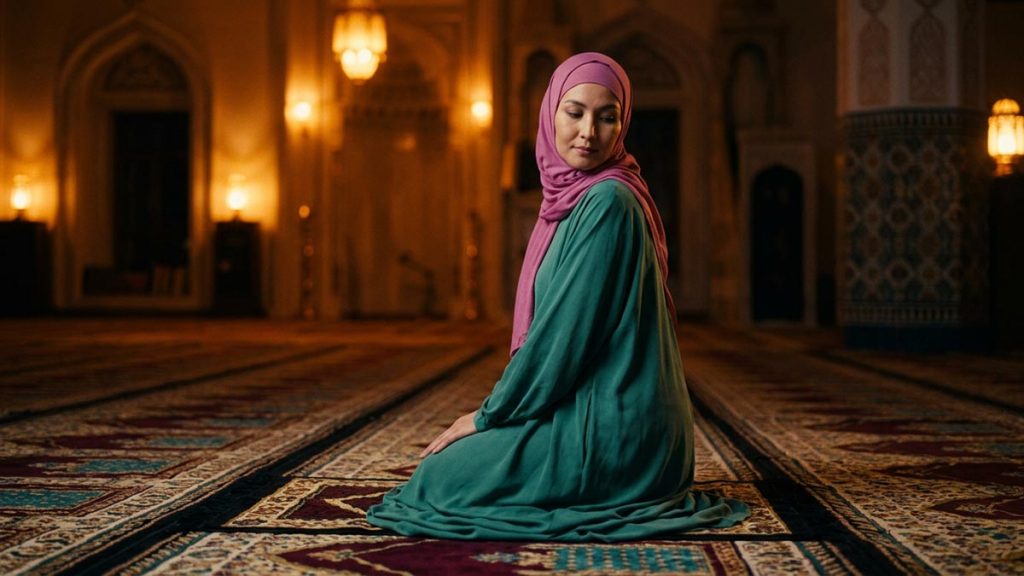
The tasleem, the closing salam given to the right and the left, marks the end of the prayer, but the worshipper is encouraged to remain and recite beautiful supplications afterward. Beyond the well-known remembrances of glorification and praise, the Prophet Muhammad (pbuh) taught several specific duas to recite after the tasleem, including a beloved supplication asking Allah for help in remembering Him, thanking Him, and worshipping Him well. These duas after tasleem deepen the connection with Allah at the close of the prayer.
اللَّهُمَّ أَعِنِّي عَلَى ذِكْرِكَ وَشُكْرِكَ وَحُسْنِ عِبَادَتِكَ
Allāhumma a‘innī ‘alā dhikrika wa shukrika wa husni ‘ibādatik.
“O Allah, help me to remember You, to thank You, and to worship You well.”
Lingering after the prayer to make supplication is a cherished practice, for the moments following the prayer are blessed and the heart is still turned toward Allah. The Prophet (pbuh) would not rush away after the salam, but would seek forgiveness, glorify Allah, and recite beautiful duas. This guide explains the dua after tasleem and three beautiful supplications, so that the worshipper may seal every prayer with the duas the Prophet (pbuh) loved.
The Dua the Prophet Loved
Among the most beautiful duas after the tasleem is the supplication quoted above, which the Prophet (pbuh) taught to his companion Muadh ibn Jabal. He took Muadh by the hand and told him that he loved him, then advised him never to leave reciting this dua after every prayer: O Allah, help me to remember You, to thank You, and to worship You well. The personal way the Prophet (pbuh) taught it shows how dear this supplication is.
This short dua gathers three of the most important pursuits of a believer. It asks Allah for help in remembering Him, for the heart that forgets Allah grows distant; in thanking Him, for gratitude draws down more blessings; and in worshipping Him well, with sincerity and excellence. By asking for help in these three things, the worshipper acknowledges that even worship and remembrance are only possible through the help of Allah, and seeks His aid to draw ever closer to Him.
اللَّهُمَّ أَعِنِّي عَلَىٰ ذِكْرِكَ وَشُكْرِكَ
Allahumma a‘inni ‘ala dhikrika wa shukrik
Help me to remember You and to thank You
Three Beautiful Supplications After the Salam
The Prophet (pbuh) taught beautiful supplications to recite after the closing salam. These three are among the most beloved duas after tasleem.
- Recite the dua of Muadh, asking Allah for help to remember Him, thank Him, and worship Him well.
- Recite the three Quls, Surah Al-Ikhlas, Al-Falaq and An-Nas, after every prayer for protection.
- Seek refuge from punishment, saying Rabbi qini adhabaka yawma tabathu ibadak, my Lord protect me on the Day You raise Your servants.
Sealing the Prayer with Supplication
The dua after tasleem turns the close of the prayer into a continued moment of connection with Allah. By reciting the beloved dua of Muadh, the three Quls for protection, and seeking refuge from punishment, the worshipper seals every prayer with the beautiful supplications the Prophet (pbuh) taught. Rather than hurrying away, the believer lingers in these duas, drawing near to Allah and asking for His help to remember, thank and worship Him well throughout the day.
These supplications join the dua after salah and the remembrances that complete the prayer, and pair naturally with the dua for Tahajjud. Together they help the worshipper fill the prayer and its aftermath with the remembrance of Allah.
The Prophet (pbuh) took Muadh by the hand, told him he loved him, and taught him a dua to never leave after prayer. Learn the duas of salah with us on YouTube, where the supplications are recited aloud, on Instagram for a reminder to linger in dua after the salam, and on LinkedIn where readers share how they complete their prayer.
Frequently Asked Questions
The dua after tasleem includes beautiful supplications recited after the closing salam, especially the dua of Muadh: O Allah, help me to remember You, to thank You, and to worship You well. The Prophet (pbuh) taught it personally.
The Prophet (pbuh) took Muadh ibn Jabal by the hand, told him that he loved him, and advised him never to leave reciting this dua after every prayer. The personal way he taught it shows how beloved it is.
It asks Allah for help in three things: remembering Him, thanking Him, and worshipping Him well. It acknowledges that even worship and remembrance are only possible through the help of Allah.
Yes, the Prophet (pbuh) taught reciting Surah Al-Ikhlas, Al-Falaq and An-Nas after every prayer as a means of protection. They are among the beloved supplications after the salam.
They are recited after the tasleem, the closing salam of the prayer, while the worshipper remains in their place. The moments after the prayer are blessed and the heart is still turned to Allah.
Yes, the Prophet (pbuh) would not rush away after the salam, but would seek forgiveness, glorify Allah, and recite beautiful duas. Lingering in supplication after the prayer is a cherished practice.