
Qunoot al-Witr
5 Things to Know About the Witr Supplication
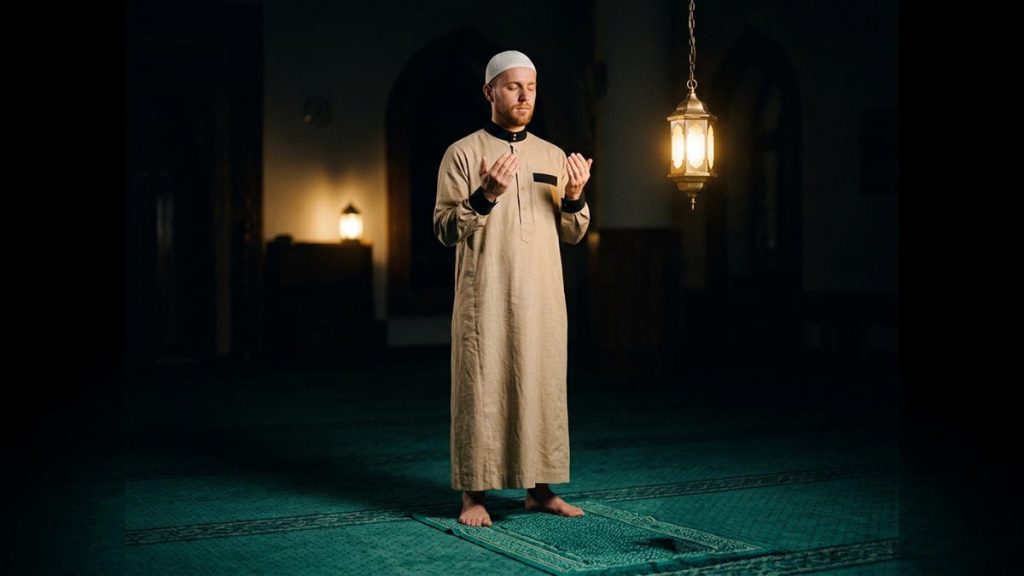
The Witr prayer, which seals the night worship with an odd number of units, is beautified by a special supplication known as Qunoot al-Witr. The worshipper stands with raised hands in the final unit and pours out a heartfelt plea, asking Allah for guidance and protection and affirming His complete power over every decree. It is a beloved and recommended part of the Witr, taught by the Prophet Muhammad (pbuh), and a beautiful way to end the day in supplication before Allah.
فَإِنَّكَ تَقْضِي وَلَا يُقْضَى عَلَيْكَ، وَإِنَّهُ لَا يَذِلُّ مَنْ وَالَيْتَ، وَلَا يَعِزُّ مَنْ عَادَيْتَ، تَبَارَكْتَ رَبَّنَا وَتَعَالَيْتَ
Fa innaka taqdī wa lā yuqdā ‘alayk, wa innahu lā yadhillu man wālayt, wa lā ya‘izzu man ‘ādayt, tabārakta rabbanā wa ta‘ālayt.
“For You decree and none decrees over You. None is disgraced whom You befriend, nor honoured whom You oppose. Blessed are You, our Lord, and exalted.”
Qunoot al-Witr concludes with magnificent words of praise, affirming that Allah alone decrees while none decrees over Him, that none is disgraced whom He befriends, and none honoured whom He opposes. These affirmations fill the worshipper with trust in the power and wisdom of Allah, reminding them that all matters rest in His hands. Whether recited before or after the bowing in the final unit, the qunut is a cherished moment of devotion.
This guide explains Qunoot al-Witr, its place in the night prayer, its meaning, how and when to recite it, and five things to know about the qunut, so that the worshipper may beautify their Witr with this supplication, ending the day standing before Allah in trust, praise and heartfelt request as the Prophet (pbuh) taught.
What Is Qunoot al-Witr?
Qunoot al-Witr is the supplication recited while standing in the Witr prayer, the prayer that concludes the night worship with an odd number of units. The word qunut means devout standing and humble supplication, and in the Witr it refers to a special moment when the worshipper raises their hands and earnestly asks Allah for a range of blessings before completing the prayer. It is among the most beautiful supplications of the night, recited with humility and hope. While the word qunut can carry several meanings in the Quran and Sunnah, including obedience and devout standing, here it points to this earnest supplication made in the standing of the Witr, a practice the Prophet (pbuh) himself observed and taught to his family.
The full Qunoot al-Witr was taught by the Prophet (pbuh) to his grandson Al-Hasan ibn Ali, and it begins by asking Allah for guidance, well-being, His care, blessing and protection, before concluding with the magnificent affirmations of His power quoted above. These closing words declare that Allah alone holds the power of decree, and that honour and disgrace are entirely in His hands, filling the worshipper with trust as they end the prayer.
Qunoot al-Witr is a recommended practice, not an obligation, so the Witr prayer remains valid without it. Many worshippers recite it regularly, especially in Ramadan, while others recite it from time to time, all following positions taken by the scholars. What unites them is the beauty of standing before Allah at the close of the day, hands raised, asking Him for the good of this life and the next with sincerity and trust. There is something deeply fitting about ending the day this way, for the worshipper lays down the worries of the day at the feet of the One who controls all things, and goes to sleep having entrusted everything to Allah.
فَإِنَّكَ تَقْضِي وَلَا يُقْضَىٰ عَلَيْكَ
Fa’innaka taqdi wa la yuqda ‘alayk
For You decree and none decrees over You
The Meaning of the Closing Affirmations
The closing words of Qunoot al-Witr are rich with meaning and trust. The worshipper affirms that Allah alone decrees, and none can decree over Him, declaring His absolute authority over all that happens. Nothing occurs except by His will, and no power can overturn His judgement. This affirmation fills the heart with submission and peace, knowing that the One being asked is fully in control of every matter.
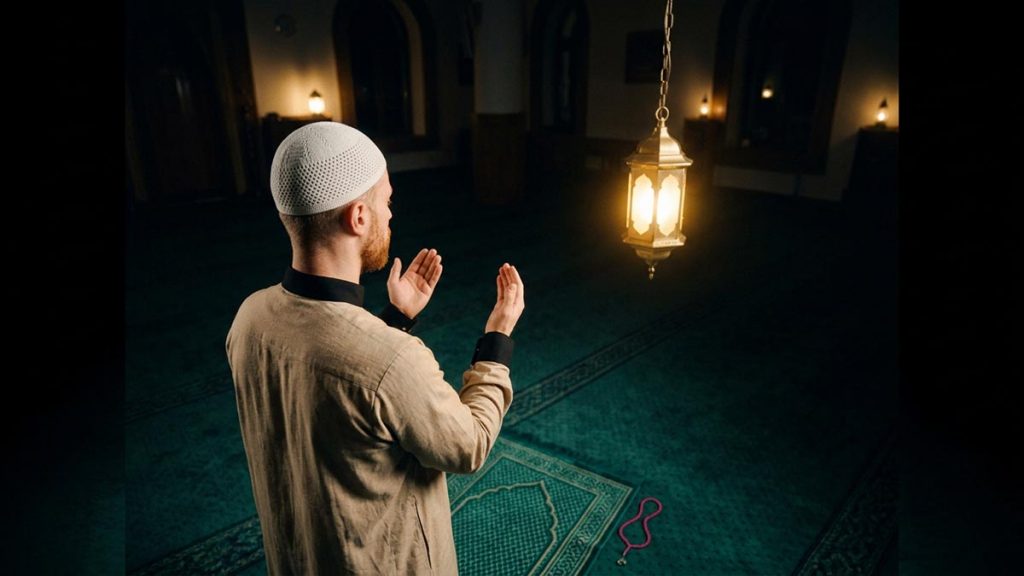
The qunut continues by affirming that none is disgraced whom Allah befriends, and none honoured whom He opposes. This is a profound truth: true honour comes only from the support of Allah, and no worldly status can elevate the one He opposes, nor can any hardship disgrace the one He supports. The believer learns to seek honour only through nearness to Allah, caring not for the approval of others but for the friendship of their Lord.
Qunoot al-Witr concludes with tabarakta rabbana wa ta‘alayt, blessed are You, our Lord, and exalted. This is a declaration of the perfection and majesty of Allah, exalting Him above all and acknowledging that He is the source of every blessing. Ending the supplication with such praise teaches the worshipper to seal their requests by glorifying the One they ask, trusting in His blessed and exalted nature to answer their plea. In this way the qunut teaches a complete approach to supplication: begin and end by praising Allah, place the request in between, and trust entirely in the power and generosity of the One being asked, certain that He is able to grant whatever is sought.
إِنَّهُ لَا يَذِلُّ مَنْ وَالَيْتَ
Innahu la yadhillu man walayt
None is disgraced whom You have befriended
How and When to Recite the Qunut
Qunoot al-Witr is recited in the final unit of the Witr prayer. The worshipper completes the recitation of the Quran and then, according to one practice, raises their hands and recites the qunut while still standing, before making the bowing. According to another reported practice, the worshipper bows, rises from the bowing, and then recites the qunut while standing. Both ways are supported by the scholars, and the worshipper may follow whichever is practised in their community.
When reciting the qunut, the worshipper raises their hands in supplication, as one does when making dua, and recites the words with humility and presence. After the words taught by the Prophet (pbuh), the worshipper may add further supplications of their own, asking Allah for whatever good they need for themselves, their families and the believers. It is also common to send blessings upon the Prophet (pbuh) at the end of the qunut.
The qunut should be recited calmly and sincerely, allowing the worshipper to feel the meaning of each request and affirmation. When leading others in prayer, the imam recites the qunut aloud and those behind say ameen, while one praying alone recites it quietly. After completing the qunut, the worshipper makes the bowing if it was not yet performed, then the prostrations, and concludes the prayer with the closing salam. There is flexibility in the practice so that no worshipper need feel burdened; whether one recites the qunut every night or only sometimes, before the bowing or after, the door to this beautiful supplication remains open in the Witr for all who wish to draw near to Allah.
Five Things to Know About Qunoot al-Witr
Qunoot al-Witr is a beautiful and comprehensive supplication. These five points help the worshipper understand and recite it well.
- It is recited standing in the final unit of the Witr prayer, with the hands raised in supplication.
- It was taught by the Prophet (pbuh) to his grandson Al-Hasan ibn Ali to recite in the Witr.
- It may be recited before or after the bowing, following the practice of the scholars.
- It is a recommended practice, beloved and rewarding, though the Witr is valid without it.
- It ends with affirmations of the power of Allah, filling the heart with trust in His decree.
اهْدِنِي وَقِنِي شَرَّ مَا قَضَيْتَ
Ihdini wa qini sharra ma qadayt
Guide me and protect me from the evil You decreed
Ending the Day in Trust and Praise
Qunoot al-Witr allows the worshipper to seal their night prayer with both heartfelt request and magnificent praise, asking Allah for guidance and protection while affirming His complete power over every decree. Taught by the Prophet (pbuh) to his own grandson, it ends the day standing before Allah in trust, certain that honour and disgrace are in His hands alone. By reciting it with humility, and adding personal duas, the worshipper concludes their worship turned fully toward their Lord in praise and hope. Of all the moments of the night, few are as moving as this final standing, when the heart is soft, the world is still, and the believer raises empty hands to the One who is never unable to fill them, no matter how heavy the heart or how great the need that is brought before Him in the stillness of the night.
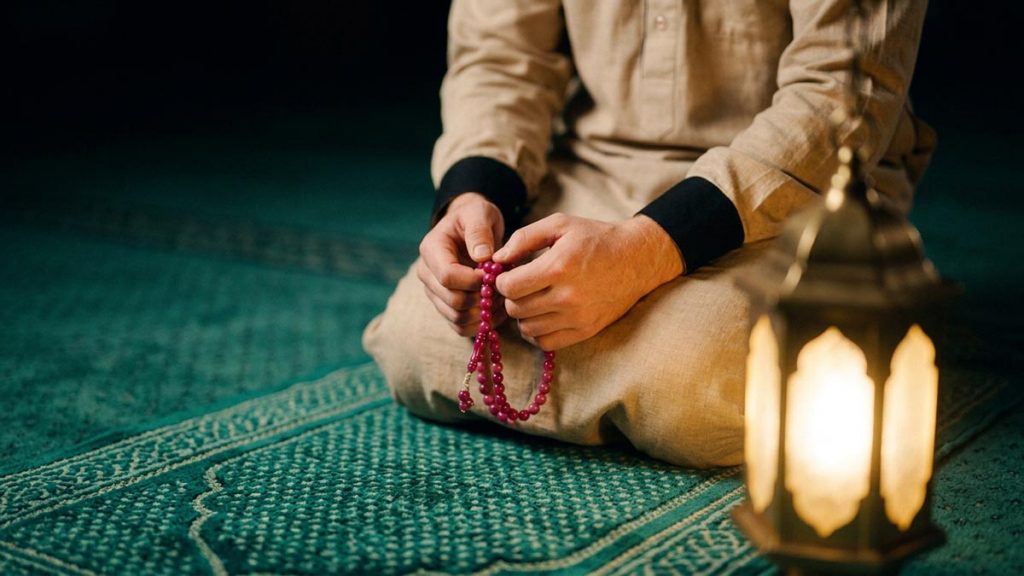
This supplication complements the Qunoot dua that explains the requests of the qunut, and pairs naturally with the dua for Tahajjud. Together they help the worshipper fill the night prayer with humble, comprehensive supplication to Allah.
The Witr prayer is sealed with a supplication that affirms the power of Allah over every decree. Learn the duas of salah with us on YouTube, where the supplications are recited aloud, on X for a reminder to beautify your Witr with the qunut, and on Pinterest where readers share how they end their day in prayer.
Frequently Asked Questions
Qunoot al-Witr is the supplication recited standing in the Witr prayer, asking Allah for guidance and protection and affirming His complete power over all decree. The Prophet (pbuh) taught it to his grandson Al-Hasan ibn Ali.
It is recited standing in the final unit of the Witr prayer, either before the bowing or after rising from it, with the hands raised in supplication. The worshipper may add further duas after it.
No, it is a recommended practice, beloved and rewarding, but the Witr prayer remains valid without it. Many recite it regularly, especially in Ramadan, following the practice of the scholars.
They affirm that Allah alone decrees and none decrees over Him, that none is disgraced whom He befriends nor honoured whom He opposes, and they end by exalting Him as blessed and exalted. They fill the heart with trust.
Both are reported and supported by the scholars; the worshipper may recite it while standing before the bowing, or after rising from the bowing. One may follow whichever is practised in their community.
Yes, after the words taught by the Prophet (pbuh), the worshipper may add their own supplications and send blessings upon the Prophet (pbuh). The qunut is a moment of open and heartfelt supplication.