
Qunoot Dua
5 Things to Know About the Qunut in Witr
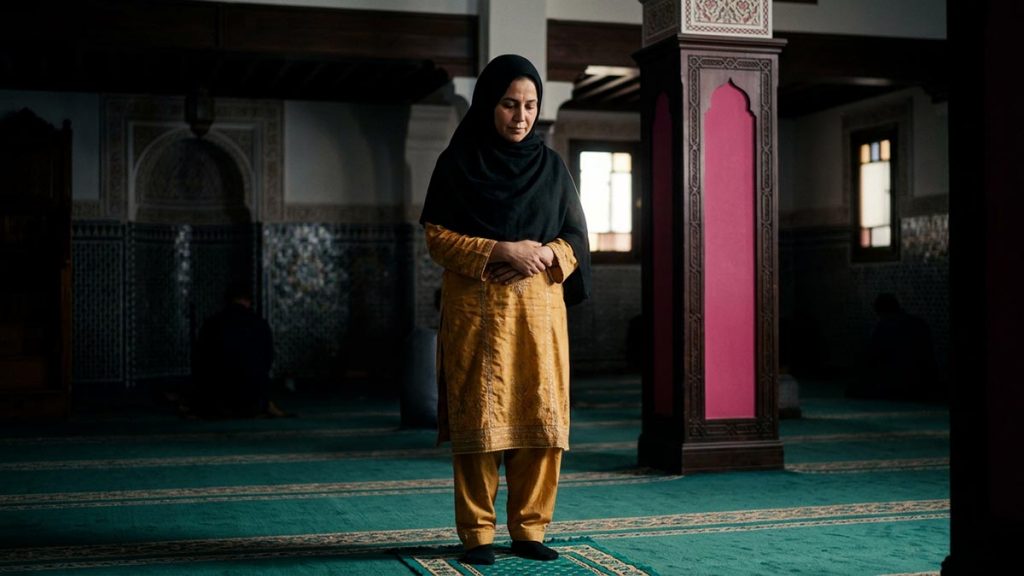
Among the beautiful supplications of the night prayer is the Qunoot dua, recited standing in the Witr prayer. In it, the worshipper asks Allah for guidance, well-being, His care and protection, and to be blessed in what He has given. It is a comprehensive supplication taught by the Prophet Muhammad (pbuh) to his beloved grandson Al-Hasan ibn Ali, gathering some of the most essential requests a believer can make in a few profound and beautiful lines.
اللَّهُمَّ اهْدِنِي فِيمَنْ هَدَيْتَ، وَعَافِنِي فِيمَنْ عَافَيْتَ، وَتَوَلَّنِي فِيمَنْ تَوَلَّيْتَ، وَبَارِكْ لِي فِيمَا أَعْطَيْتَ، وَقِنِي شَرَّ مَا قَضَيْتَ
Allāhumma-hdinī fīman hadayt, wa ‘āfinī fīman ‘āfayt, wa tawallanī fīman tawallayt, wa bārik lī fīmā a‘tayt, wa qinī sharra mā qadayt.
“O Allah, guide me among those You have guided, grant me well-being among those You have granted well-being, take me into Your care among those You have taken into Your care, bless for me what You have given, and protect me from the evil of what You have decreed.”
The word qunut means devout standing and obedience, and the qunut in Witr is a special supplication made while standing, often after the bowing or before it in the final unit of the Witr prayer. It is a recommended practice that allows the worshipper to conclude their night prayer with a heartfelt plea, raising their hands and asking Allah for the good of this world and the next with humility and hope.
This guide explains the Qunoot dua, its place in the Witr prayer, its meaning, how to recite it, and five things to know about the qunut, so that the worshipper may beautify their Witr prayer with this comprehensive supplication, asking Allah for guidance, protection and blessing as the Prophet (pbuh) taught.
What Is the Qunoot Dua?
The Qunoot dua is a supplication recited while standing in the Witr prayer, the prayer that concludes the night worship with an odd number of units. The word qunut carries meanings of devout standing, obedience and humble supplication, and the qunut in Witr is a moment when the worshipper raises their hands and earnestly asks Allah for a range of blessings. It is among the most beloved supplications of the night, said with humility and hope.
This particular Qunoot dua was taught by the Prophet (pbuh) to his grandson Al-Hasan ibn Ali, who narrated that the Prophet (pbuh) taught him these words to say in the qunut of Witr. This direct teaching from the Prophet (pbuh) to his own grandson gives the supplication a special place, and it is widely recited by Muslims in their Witr prayers around the world, cherished for its comprehensiveness and beauty. That the Prophet (pbuh) chose to teach these particular words to his beloved grandson speaks to their value, as if entrusting to the next generation a supplication that gathers the most important requests of a believer into a single prayer.

The qunut is a recommended practice in the Witr prayer, not an obligation, so the Witr remains valid without it. It is typically recited in the final unit of the Witr, either after the bowing while standing, or before the bowing after completing the recitation. The worshipper raises their hands in supplication, recites the qunut, and may add further duas before completing the prayer. There is a gentle ease in this practice, for it does not complicate the Witr but enriches it, giving the worshipper a designated moment each night to stand before Allah with open hands and ask Him directly for the things that matter most.
اللَّهُمَّ اهْدِنِي فِيمَنْ هَدَيْتَ
Allahummahdini fiman hadayt
O Allah guide me among those You have guided
The Meaning of the Qunoot Dua
The Qunoot dua opens by asking Allah for guidance: guide me among those You have guided. The worshipper asks not only to be guided, but to be placed among the company of those whom Allah has already blessed with guidance, the prophets and the righteous. It then asks for well-being, afiyah, among those granted well-being, seeking health and safety in body, heart and faith, among those Allah has kept sound.
The supplication continues by asking Allah to take the worshipper into His care, among those He has taken under His protection and friendship. This is a request for the special care of Allah, to be among His close servants whom He guides, protects and supports. The worshipper then asks Allah to bless what He has given, seeking barakah in every provision and gift, so that what they have, however much or little, is filled with lasting good.
The qunut concludes by asking Allah for protection from the evil of what He has decreed. The believer affirms that all decree is in the hands of Allah, and asks to be shielded from any harm within it. This is a profound request that combines trust in the decree of Allah with seeking refuge in His mercy from anything painful, placing the worshipper entirely in the protection of their Lord as they conclude their night prayer. In these few lines, the qunut moves through guidance, health, divine care, blessing and protection, covering the essentials of a believer’s life so completely that little of importance is left unasked, which is why it has been so treasured across the generations.
وَقِنِي شَرَّ مَا قَضَيْتَ
Wa qini sharra ma qadayt
And protect me from the evil of what You have decreed
How to Recite the Qunoot
To recite the qunut, the worshipper reaches the final unit of the Witr prayer and, after completing the recitation of the Quran, either makes the bowing and then stands again to recite the qunut, or recites it before the bowing. Both ways are reported, and the worshipper may follow whichever is practised in their community. They raise their hands in supplication, as one does when making dua, and recite the Qunoot dua with humility and presence. The raising of the hands is itself a sign of need and hope, a posture the Prophet (pbuh) taught brings the worshipper closer to a generous response, for Allah is shy to turn away empty the hands raised toward Him.
After the words taught by the Prophet (pbuh), the worshipper may add further supplications of their own, asking Allah for whatever good they need for themselves, their families and the believers. The qunut is a moment of open supplication, and there is room to pour out the heart to Allah. It is common to conclude by sending blessings upon the Prophet (pbuh), after which the worshipper completes the bowing and prostrations and ends the prayer.
The qunut should be recited with sincerity and calm, not rushed, allowing the worshipper to feel the meaning of each request. Whether recited quietly in a personal Witr or aloud when leading others, the spirit of the qunut is humble, earnest supplication. It is a beautiful way to seal the night prayer, standing before Allah and asking Him for guidance, protection and blessing before sleep. Many worshippers find the qunut among the most moving moments of their worship, for it comes at the quiet end of the day, when the heart is soft and the world is still, and the believer speaks to Allah with raised hands and an unhurried heart.
Five Things to Know About the Qunut
The qunut in Witr is a beautiful and comprehensive supplication. These five points help the worshipper understand and recite it well.
- It is recited standing in the final unit of the Witr prayer, with the hands raised in supplication.
- It was taught by the Prophet (pbuh) to his grandson Al-Hasan ibn Ali to recite in the Witr.
- It is a recommended practice, beloved and rewarding, though the Witr is valid without it.
- It is comprehensive, asking for guidance, well-being, the care of Allah, blessing and protection.
- You may add your own duas after it, pouring out your needs before completing the prayer.
وَتَوَلَّنِي فِيمَنْ تَوَلَّيْتَ
Wa tawallani fiman tawallayt
Take me into Your care among those You have cared for
Sealing the Night Prayer with the Qunut
The Qunoot dua allows the worshipper to seal their night prayer with one of the most comprehensive supplications, asking Allah for guidance, well-being, His care, blessing and protection in a few beautiful lines. Taught by the Prophet (pbuh) to his own grandson, it gathers the believer’s deepest needs into a single standing before Allah. By reciting it with humility in the Witr, and adding personal duas, the worshipper concludes their worship turned fully toward their Lord, seeking His good for this world and the next. There is no finer way to end the day than standing before Allah in the Witr, asking Him with the words His Prophet (pbuh) chose, and entrusting the night and all that follows to His guidance and care.
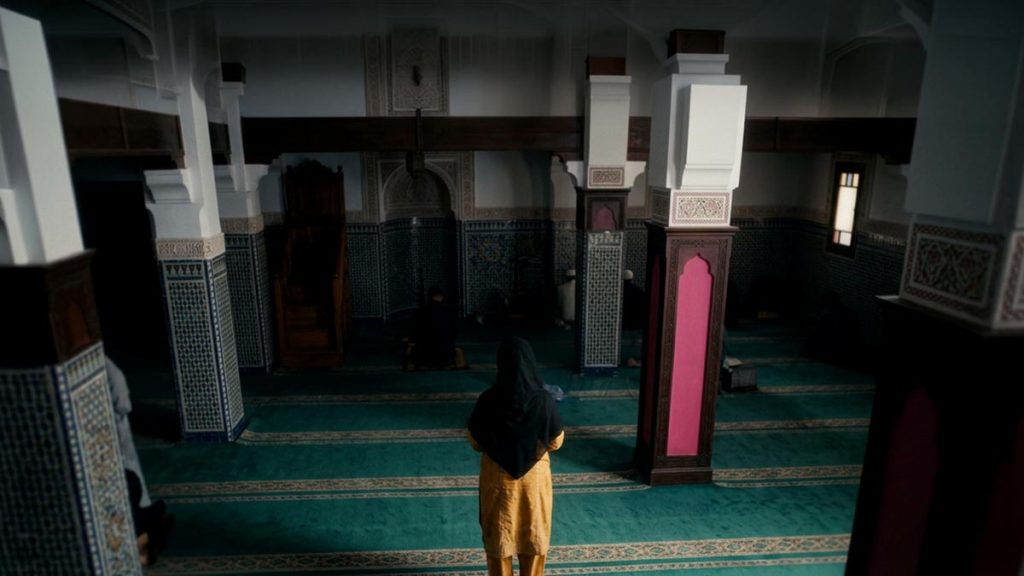
This supplication pairs naturally with the dua for guidance that seeks the straight path, and the dua in sujood. Together they help the worshipper fill their prayer with humble, comprehensive supplication to Allah.
The Prophet (pbuh) taught his grandson a comprehensive supplication for the Witr, asking Allah for guidance and protection. Learn the duas of salah with us on YouTube, where the supplications are recited aloud, on TikTok for a reminder to seal your night prayer with the qunut, and on Facebook where readers share how they beautify their Witr.
Frequently Asked Questions
The Qunoot dua is a supplication recited standing in the Witr prayer, asking Allah for guidance, well-being, His care, blessing and protection. The Prophet (pbuh) taught it to his grandson Al-Hasan ibn Ali.
It is recited standing in the final unit of the Witr prayer, either after the bowing or before it, with the hands raised in supplication. The worshipper may add further duas after it.
No, the qunut is a recommended practice, beloved and rewarding, but the Witr prayer remains valid without it. Reciting it follows the teaching of the Prophet (pbuh).
It asks Allah for guidance among the guided, well-being among those granted it, His care and protection, blessing in what He has given, and protection from the evil of what He has decreed. It is comprehensive.
Yes, after the words taught by the Prophet (pbuh), the worshipper may add their own supplications, asking Allah for whatever good they need. The qunut is a moment of open supplication.
Al-Hasan ibn Ali, the grandson of the Prophet (pbuh), narrated that the Prophet (pbuh) taught him these words to say in the qunut of Witr. It is cherished for its comprehensiveness and beauty.