
Dua of Prophet Ibrahim
3 Lessons in Devotion

Prophet Ibrahim (AS) is honoured in the Quran as a model of pure devotion to Allah, and the duas preserved from him are among the most beautiful in revelation. The dua of Prophet Ibrahim featured here asks Allah to make him and his descendants establishers of prayer, to accept his supplication, and to forgive him, his parents, and the believers on the Day of Reckoning. It joins three great concerns of a devoted heart: steadfast worship, the faith of one’s family, and the forgiveness of Allah.
رَبِّ اجْعَلْنِي مُقِيمَ الصَّلَاةِ وَمِنْ ذُرِّيَّتِي رَبَّنَا وَتَقَبَّلْ دُعَاءِ، رَبَّنَا اغْفِرْ لِي وَلِوَالِدَيَّ وَلِلْمُؤْمِنِينَ يَوْمَ يَقُومُ الْحِسَابُ
Rabbij-‘alnī muqīmas-salāti wa min dhurriyyatī rabbanā wa taqabbal du‘ā, rabbanagh-fir lī wa li-wālidayya wa lil-mu’minīna yawma yaqūmul-hisāb.
“My Lord, make me an establisher of prayer, and from my descendants. Our Lord, accept my supplication. Our Lord, forgive me, my parents, and the believers on the Day the reckoning is established.”
This guide explains the dua of Prophet Ibrahim, its themes of prayer, family and forgiveness, and three lessons in devotion, so that the believer may follow his example in caring deeply about their own worship, the faith of their children, and their standing before Allah on the Day of Judgement.
The Story Behind the Dua of Prophet Ibrahim
The dua of Prophet Ibrahim (AS) comes from Surah Ibrahim, part of a series of supplications he made for himself, his family and the land of Makkah. In these verses, he asks Allah to make him one who establishes the prayer, and to make establishers of prayer from his descendants too. He then asks Allah to accept his supplication, and to forgive him, his parents, and all the believers on the Day of Reckoning. It is the prayer of a man whose devotion extended across the generations.
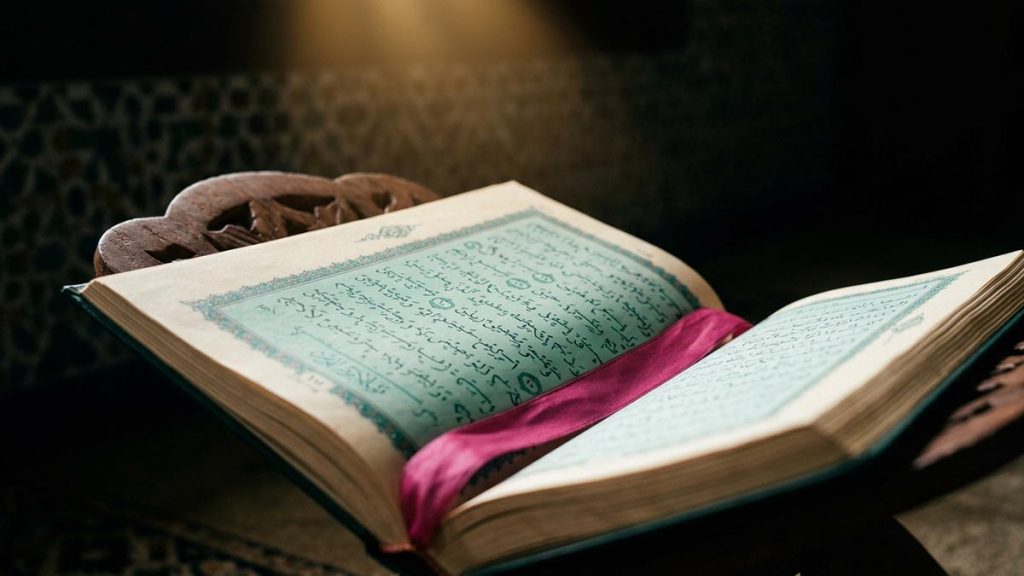
This dua reveals the priorities of a truly devoted heart. Ibrahim (AS) did not ask first for wealth or status, but for the gift of steadfast prayer, the foundation of a believer’s relationship with Allah, both for himself and his offspring. He cared deeply that his children and their children would remain devoted worshippers. He then sought the forgiveness of Allah for the Day when all will be held to account, showing that the devoted believer keeps both worship and the Hereafter ever before their eyes.
رَبِّ اجْعَلْنِي مُقِيمَ الصَّلَاةِ وَمِنْ ذُرِّيَّتِي
Rabbij‘alni muqimas-salati wa min dhurriyyati
My Lord make me an establisher of prayer and my descendants
Three Lessons in Devotion
The dua of Prophet Ibrahim teaches the believer the priorities of a devoted heart. These three lessons flow from his beautiful supplication.
- Treasure prayer, asking Allah to make you steadfast in it as the foundation of devotion.
- Care for your family’s faith, praying that your children and descendants remain devoted to Allah.
- Keep the Hereafter before you, seeking the forgiveness of Allah for the Day of Reckoning.
Following the Devotion of Ibrahim
The model of pure devotion to Allah left us a prayer that places worship, family and forgiveness above all. The dua of Prophet Ibrahim teaches the believer to treasure their prayer, to care deeply for the faith of their children, and to keep the Day of Reckoning ever in mind. By following his example, the believer nurtures a devotion that reaches across the generations, asking Allah for steadfast worship for themselves and their descendants, and for His forgiveness on the Day all will be held to account.

This supplication pairs naturally with the dua of Prophet Zakariyya for righteous offspring, and the dua of Prophet Muhammad for both worlds. Together they teach the believer to seek devotion, family and the forgiveness of Allah.
A model of pure devotion, Ibrahim (AS) prayed for steadfast worship, his family’s faith and forgiveness. Learn the Quranic duas with us on YouTube, where the supplications are recited aloud, on Threads for a reminder to treasure your prayer, and on LinkedIn where readers share how they pray for their family’s faith.
Frequently Asked Questions
The dua of Prophet Ibrahim (AS) is Rabbi-j‘alni muqimas-salati wa min dhurriyyati, asking Allah to make him and his descendants establishers of prayer, to accept his supplication, and to forgive the believers. It is in Surah Ibrahim.
Say it when praying for steadfastness in worship, the faith of your children, and the forgiveness of Allah. It gathers the priorities of a devoted heart into one supplication.
Ibrahim (AS) asked first for steadfast prayer for himself and his offspring, then for forgiveness on the Day of Reckoning, not for wealth or status. It shows the priorities of a truly devoted heart.
He cared deeply that his children and their children would remain devoted worshippers of Allah, showing that devotion looks beyond oneself to the generations to come. The believer prays the same for their family.
It means performing the prayer fully and steadfastly, with its conditions and presence of heart, as the foundation of a believer’s relationship with Allah. Ibrahim (AS) asked to be made firm in it.
The dua of Prophet Zakariyya seeks righteous offspring, and the dua of Prophet Muhammad seeks good in both worlds. Together with the dua of Prophet Ibrahim, they teach devotion and care for family.