
Explore the most iconic Islamic monuments and famous mosques from around the world. Discover their stories, architecture, and the faith behind every stone.
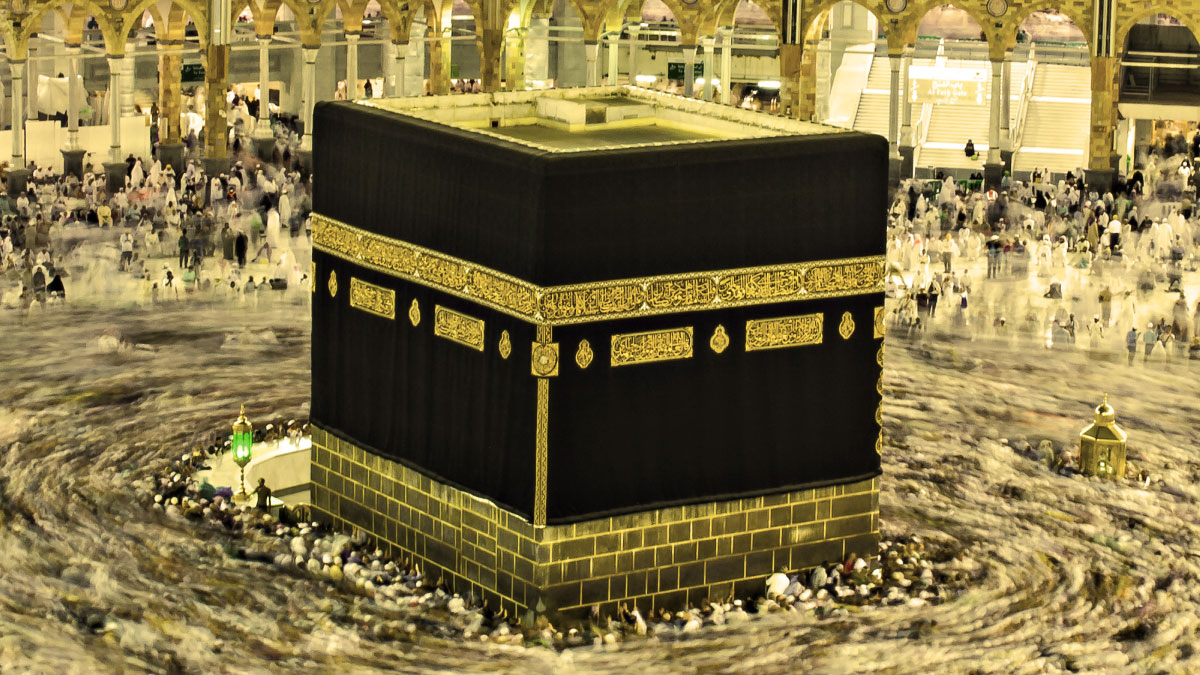
The Kaaba
Islam’s most sacred house
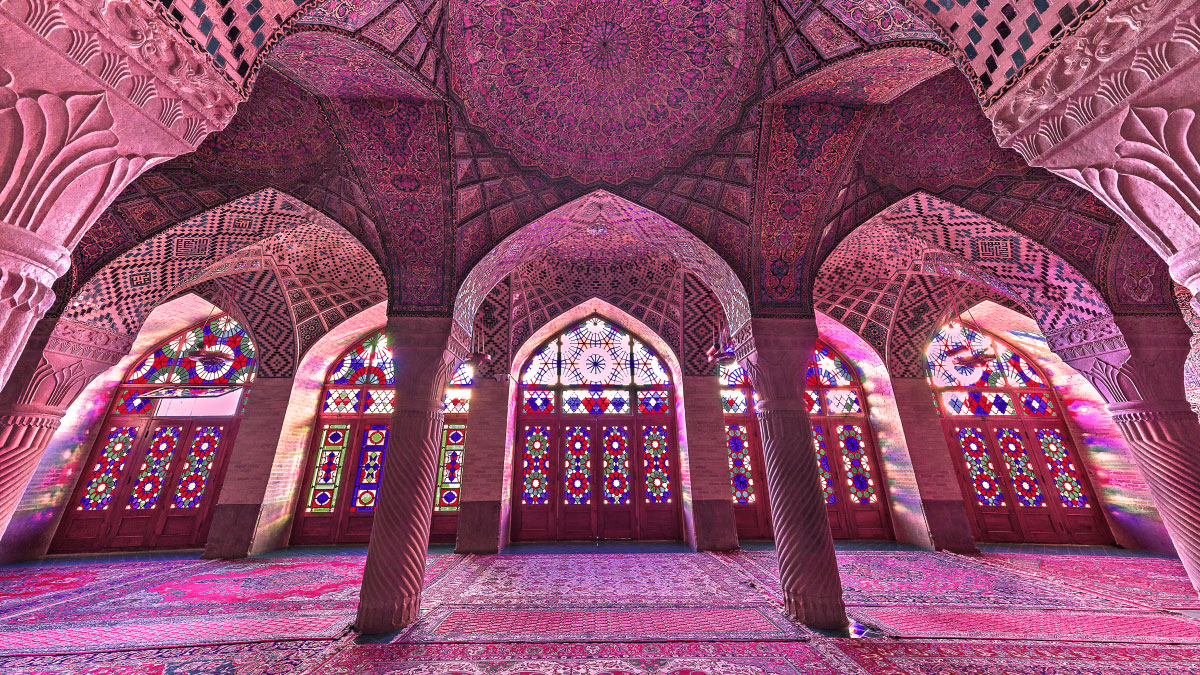
The Pink Mosque
Where light paints prayer
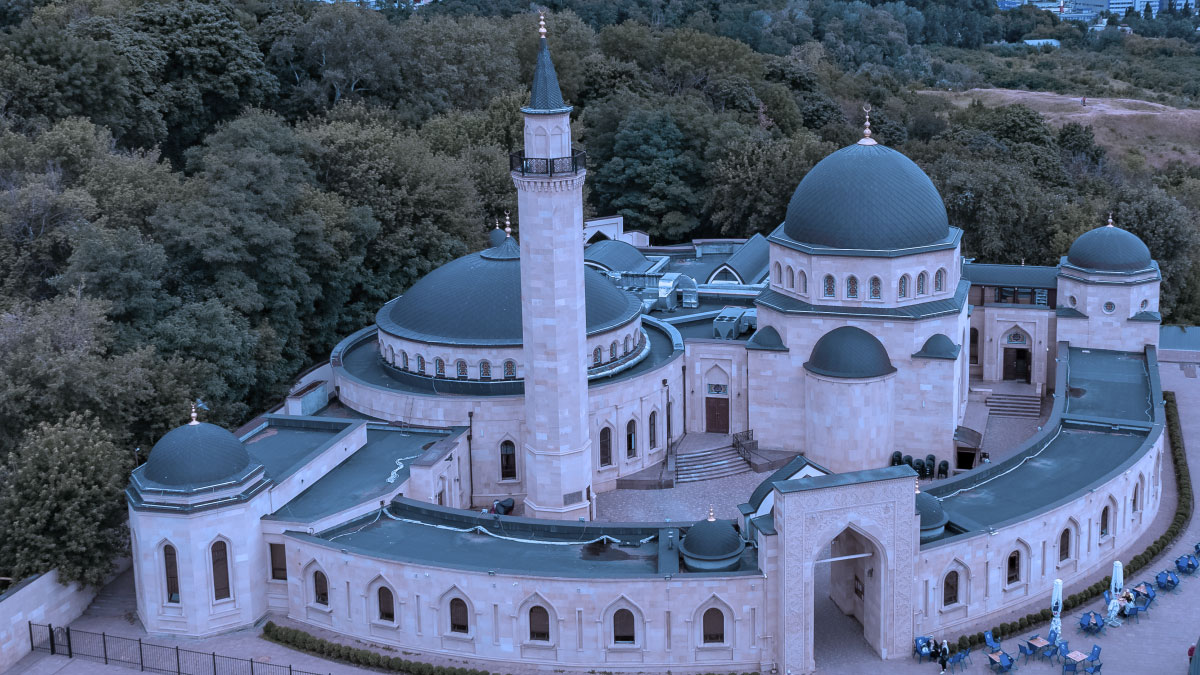
The Ukrainian Mosque
150 years of unwavering faith
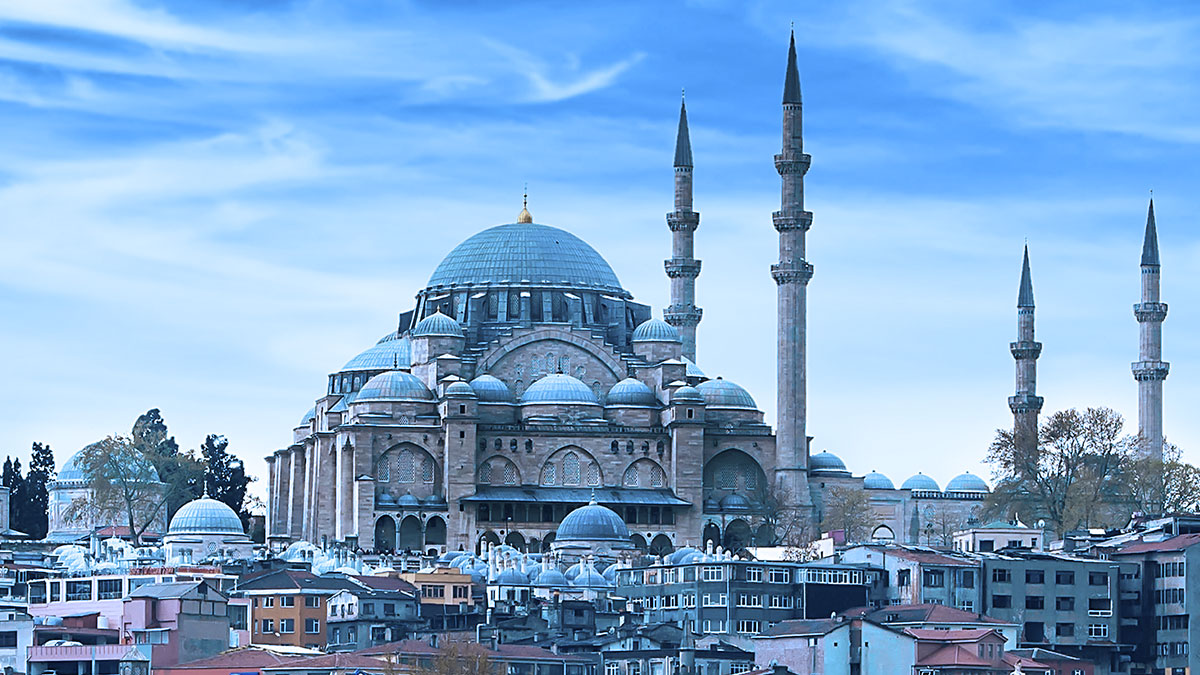
The Blue Mosque
Ottoman grandeur in blue tiles
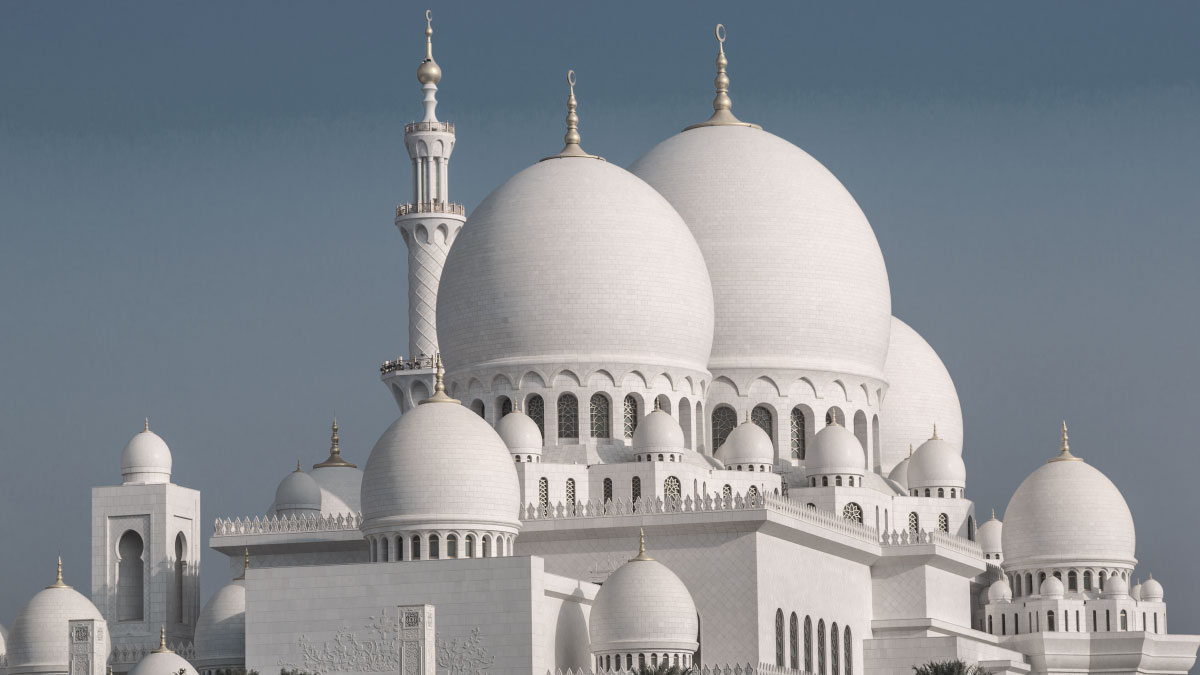
The Abu Dhabi Mosque
A vision built in marble
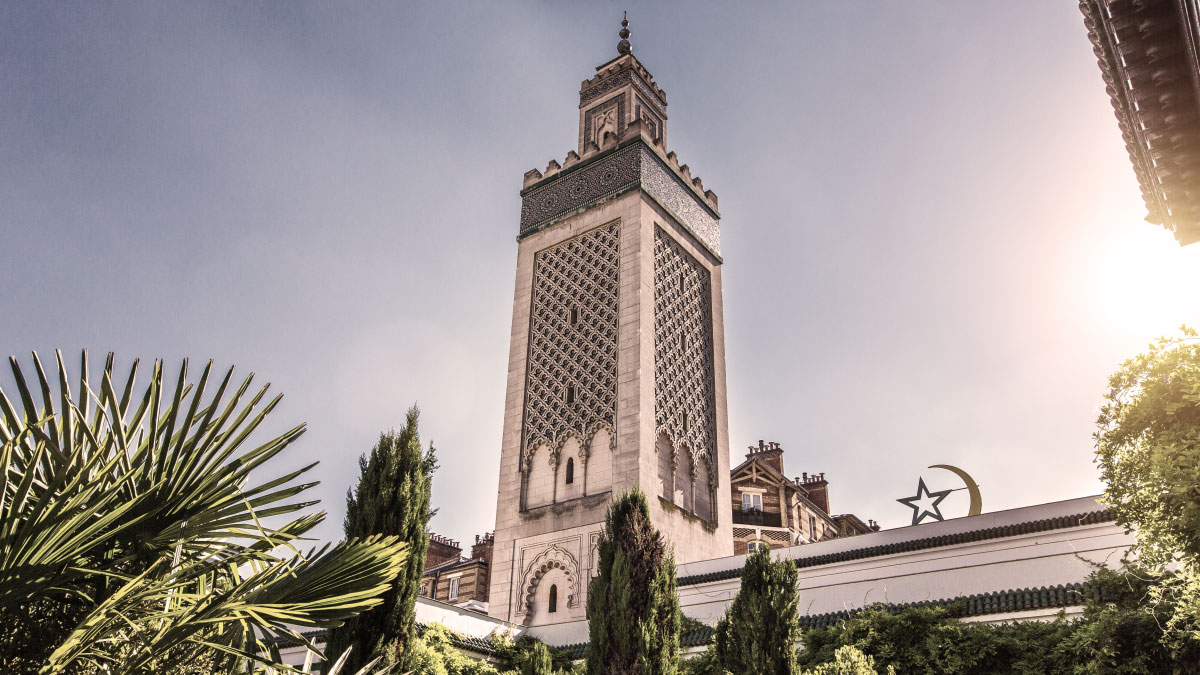
The Mosque of Paris
A mosque that saved lives
Discovering the World’s Greatest Islamic Monuments
Islamic monuments stand as living testaments to the faith, creativity, and civilisational achievement of Muslims across the centuries. From the sacred Kaaba in Makkah to the stunning Blue Mosque in Istanbul, these structures are far more than buildings — they are expressions of devotion to Allah, masterpieces of Islamic architecture, and symbols of the global reach of Islam.
Each Islamic monument carries a story. Some were built by the Prophet Ibrahim (peace be upon him) and his son Ismail. Others were commissioned by powerful caliphs and sultans who sought to honour Allah through beauty and grandeur. The Prophet Muhammad (pbuh) himself laid the foundations of the Prophet’s Mosque in Madinah, and the Quran records how Ibrahim raised the foundations of the Sacred House while praying for its acceptance. Together, these Islamic monuments form a remarkable heritage that spans continents, cultures, and centuries.
وَأَنَّ الْمَسَاجِدَ لِلَّهِ فَلَا تَدْعُوا مَعَ اللَّهِ أَحَدًا
“And the mosques are for Allah [alone], so do not invoke anyone along with Allah.”
Why Islamic Monuments Matter

Islamic monuments serve a purpose far beyond their physical form. Mosques are places of worship where Muslims gather five times daily to pray. Minarets rise above city skylines to call the faithful to salah. Domes symbolise the vault of heaven. Courtyards provide space for reflection and community. Every element of Islamic architecture is designed with spiritual intention, drawing the worshipper closer to Allah — the Creator, the Most Beautiful.
There are over 3.6 million mosques worldwide — and the number continues to grow every year
These famous mosques and monuments also played a vital role in the development of science, education, and the arts. Many Islamic monuments housed madrasas (schools), libraries, and hospitals, making them centres of knowledge and civilisation during the Islamic Golden Age. The Great Mosque of Cordoba, the Faisal Mosque in Islamabad, and the Qarawiyyin in Fez — the oldest continuously operating university in the world — are just a few examples of Islamic monuments that shaped the intellectual history of humanity.
The Quran itself instructs believers to maintain the mosques of Allah. This commandment has driven Muslims for over fourteen centuries to build, preserve, and beautify these sacred spaces — not for vanity, but as acts of worship and devotion to the Creator.
The Beauty of Islamic Architecture
Islamic architecture is recognised worldwide for its distinctive features — geometric patterns, arabesques, calligraphy, muqarnas (honeycomb vaulting), pointed arches, and expansive domes. These design elements are not merely decorative; they reflect core Islamic principles of unity, infinity, and the beauty of Allah’s creation. The Prophet Muhammad (pbuh) said: “Allah is beautiful and He loves beauty” (Muslim), and every structure in this collection reflects that prophetic teaching.

The use of geometry in Islamic monuments represents the infinite nature of Allah. Calligraphy adorning mosque walls often features verses from the Holy Quran, transforming architecture into an act of worship. Light plays a central role too — stained glass windows, pierced screens, and open courtyards flood interiors with natural light, creating spaces that feel both serene and sacred. The Pink Mosque in Shiraz transforms every morning as sunlight pours through its kaleidoscopic stained glass, while the Crystal Mosque in Malaysia reimagines Islamic design entirely in steel and glass.
The oldest mosque still standing is the Quba Mosque in Madinah — built in 622 CE by the Prophet Muhammad (pbuh)
Famous Mosques and Islamic Monuments Around the World
From the Arabian Peninsula to Southeast Asia, from North Africa to Europe, Islamic monuments stand in every corner of the globe. Each one reflects the culture, climate, and artistic traditions of its region while remaining rooted in the shared principles of Islamic faith and design. Below are some of the most iconic.
The Kaaba — Makkah, Saudi Arabia
The Kaaba is the most sacred Islamic monument in existence. Built by the Prophet Ibrahim (peace be upon him) and his son Ismail, it is the qibla towards which every Muslim prays. Millions of pilgrims circumambulate the Kaaba each year during Hajj and Umrah, making it the spiritual heart of Islam and the most visited Islamic monument on earth. The Quran describes it as “the Sacred House, a sanctuary for the people” (Surah Al-Ma’idah 5:97).
The Prophet’s Mosque — Madinah, Saudi Arabia
The Prophet’s Mosque, or Masjid an-Nabawi, was originally built by the Prophet Muhammad (pbuh) himself upon his arrival in Madinah. It is the second holiest mosque in Islam and houses the Prophet’s tomb beneath its iconic green dome — one of the most recognised symbols of Islamic architecture worldwide. The mosque has been expanded many times across the centuries and can now accommodate over one million worshippers. To learn more about the life and teachings of the Prophet Muhammad (pbuh), explore our Inspired by The Prophet collection.
The Prophet’s Mosque started as a simple structure built from palm trunks and mud — today it spans over 400,000 m²
The Blue Mosque — Istanbul, Turkey
The Sultan Ahmed Mosque, known as the Blue Mosque, is one of the most famous mosques in the world. Completed in 1616 during the Ottoman Empire, its six minarets and interior adorned with over 20,000 hand-painted blue Iznik tiles make it an enduring masterpiece of Ottoman Islamic architecture. It remains an active place of worship and a must-visit Islamic monument for travellers and Muslims alike.
The Pink Mosque — Shiraz, Iran
The Nasir al-Mulk Mosque, known as the Pink Mosque, transforms each morning as sunlight pours through its stained glass windows, casting a kaleidoscope of colour across the prayer hall. It is one of the most photographed Islamic monuments in the world and a stunning example of Persian Islamic architecture that demonstrates how light itself can become a form of artistic expression.

Sheikh Zayed Grand Mosque — Abu Dhabi, UAE
The Sheikh Zayed Grand Mosque is a modern Islamic monument of extraordinary scale and beauty. Featuring 82 domes, over 1,000 columns, and the world’s largest hand-knotted carpet, it represents a vision of Islamic architecture that bridges tradition and contemporary design. Its brilliant white marble exterior and reflective pools have made it one of the most photographed mosques on earth.
The Taj Mahal — Agra, India
While often associated with romantic history, the Taj Mahal is fundamentally an Islamic monument and a masterpiece of Mughal architecture. Its white marble exterior, Quranic calligraphy inscribed across its arches, and perfectly symmetrical gardens reflect the finest principles of Islamic design. Nearby stands the Badshahi Mosque in Lahore, another jewel of Mughal Islamic architecture.
The Hassan II Mosque in Casablanca has the tallest minaret in the world — standing at 210 metres
Islamic Monuments Across Continents
One of the most remarkable aspects of Islamic architecture is its global reach. Famous mosques and Islamic monuments are not confined to the Middle East — they stand proudly in every continent, each reflecting the local culture while honouring the universal principles of Islamic design.

In Africa, the Koutoubia Mosque in Marrakech has stood for nearly nine centuries as a landmark of Almohad architecture, while the Hassan II Mosque in Casablanca rises dramatically over the Atlantic Ocean with the tallest minaret in the world. In Europe, the Grand Mosque of Paris has served the Muslim community since 1926 and played a heroic role sheltering Jewish families during World War II. Even in Ukraine, the Ar-Rahma Mosque in Kyiv stands as a symbol of 150 years of unwavering faith.
In Asia, the story of Islamic architecture stretches from the Arabian Peninsula to the Far East. The Great Mosque of Xi’an in China is one of the oldest and most unique mosques in the world, blending traditional Chinese architecture with Islamic design. In Southeast Asia, the Crystal Mosque in Malaysia represents Islam reimagined in light and glass. And in the Gulf, the Sultan Qaboos Grand Mosque in Muscat and the Ubudiah Mosque in Malaysia reflect the continued commitment of Muslim communities to build spaces of extraordinary beauty for the worship of Allah.
The Great Mosque of Xi’an was founded in 742 CE during the Tang Dynasty — making it over 1,280 years old
Islamic Monuments as a Source of Inspiration
Islamic monuments continue to inspire architects, artists, and believers around the world. Their timeless designs demonstrate that beauty and faith are inseparable in Islam. Whether you are a student of Islamic history, a lover of architecture, or a Muslim seeking a deeper connection to your heritage, these famous mosques and monuments offer endless discovery.
The Quran reminds us that the very first house established for mankind was the one at Makkah — “blessed and a guidance for the worlds” (Surah Ali ‘Imran 3:96). From that sacred origin, a global tradition of Islamic architecture was born — a tradition that continues to grow, evolve, and inspire to this day. Each mosque, minaret, and monument is a reflection of the divine attributes celebrated in the 99 Names of Allah — Al-Musawwir (the Fashioner of Forms), Al-Badi’ (the Incomparable Originator), and Al-Jameel (the Beautiful).
Explore Our Islamic Monuments Collection
Browse our growing collection above, each featuring an in-depth article on the history, architecture, and spiritual significance of the world’s most remarkable mosques and Islamic landmarks. From the sacred sites of Makkah and Madinah to hidden architectural gems across Asia, Africa, and Europe — discover the faith behind every stone.
Each Islamic monument features beautifully crafted images and content ready to save and share on Instagram, Facebook, WhatsApp, X, and TikTok — perfect for inspiring your followers, educating your community, or simply celebrating the breathtaking beauty of Islamic architecture with the world.
You can also explore the words of Allah directly in our Quran reader, study the 114 Surahs of the Holy Quran, or discover how the Prophet Muhammad (pbuh) lived his faith every day through our Inspired by The Prophet series.
Also visit our YouTube channel to discover a series of programmes on mosques around the world
Frequently Asked Questions About Islamic Monuments
What is the most sacred Islamic monument in the world?
The most sacred Islamic monument is the Kaaba in Makkah, Saudi Arabia. Built by the Prophet Ibrahim (peace be upon him) and his son Ismail, the Kaaba is the qibla — the direction towards which all Muslims pray five times daily. It is also the focal point of Hajj, the annual pilgrimage that every Muslim who is able must undertake at least once in their lifetime.
What are the most famous mosques in the world?
Some of the most famous mosques in the world include the Kaaba and Masjid al-Haram in Makkah, the Prophet’s Mosque (Masjid an-Nabawi) in Madinah, Al-Aqsa Mosque in Jerusalem, the Blue Mosque (Sultan Ahmed Mosque) in Istanbul, the Sheikh Zayed Grand Mosque in Abu Dhabi, and the Hassan II Mosque in Casablanca. Each represents a unique tradition within Islamic architecture while serving as an active place of worship.
What makes Islamic architecture unique?
Islamic architecture is distinguished by its use of geometric patterns, arabesques, calligraphy, muqarnas (honeycomb vaulting), pointed arches, and expansive domes. These elements are not merely decorative — they reflect core Islamic principles such as tawheed (the oneness of Allah), infinity, and the beauty of creation. Calligraphy often features Quranic verses, and light is used as a design element through stained glass, pierced screens, and open courtyards.
How many mosques are there in the world?
There are an estimated 3.6 million mosques worldwide, serving the global Muslim population of nearly two billion. Mosques can be found on every inhabited continent, from the ancient mosques of the Arabian Peninsula and North Africa to modern architectural landmarks in Europe, the Americas, and Asia. The number continues to grow each year as Muslim communities expand.
What is the oldest mosque in the world?
The Quba Mosque in Madinah, Saudi Arabia, is widely recognised as the oldest mosque in the world. It was built by the Prophet Muhammad (pbuh) in 622 CE upon his migration from Makkah to Madinah. The Quran mentions its significance, and the Prophet encouraged Muslims to pray there, saying that praying in Quba Mosque is equivalent to performing Umrah.
Which mosque has the tallest minaret?
The Hassan II Mosque in Casablanca, Morocco, holds the record for the tallest minaret in the world, standing at 210 metres (689 feet). Completed in 1993, the mosque is partially built over the Atlantic Ocean and can accommodate up to 105,000 worshippers. Its minaret features a laser beam at the top that points towards Makkah.
Is the Taj Mahal an Islamic monument?
Yes, the Taj Mahal is an Islamic monument. Built between 1632 and 1653 by Mughal Emperor Shah Jahan as a mausoleum for his wife Mumtaz Mahal, it is a masterpiece of Mughal Islamic architecture. The structure features Quranic calligraphy inscribed across its arches, geometric patterns, symmetrical gardens inspired by the concept of Jannah (Paradise), and Islamic artistic traditions throughout its design.