The Crystal Mosque
Islam reimagined in light
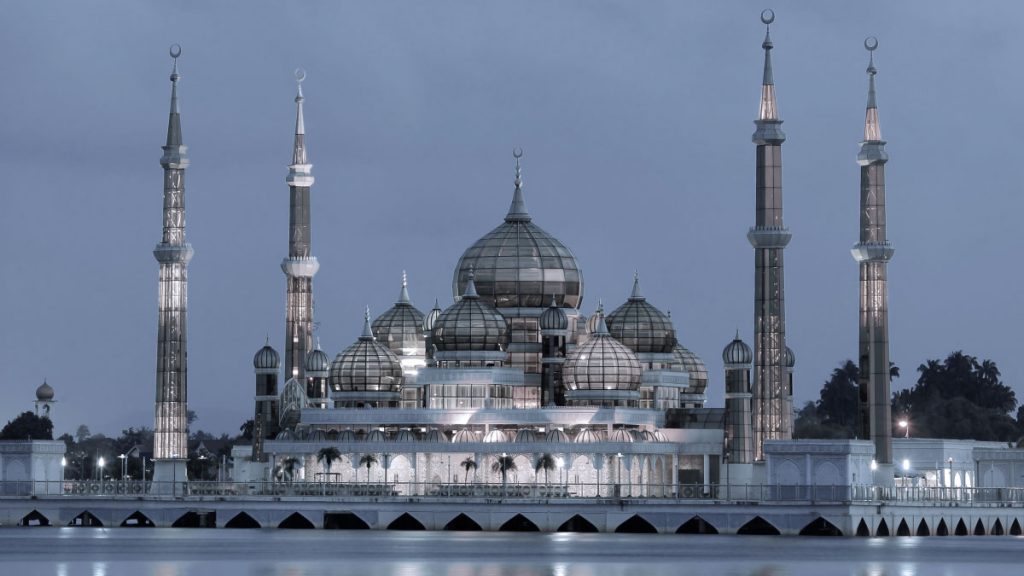
Shimmering above the waters of the Terengganu River on a man-made island in Kuala Terengganu, Malaysia, the Crystal Mosque (Masjid Kristal) is unlike any other mosque in the world. Built entirely from steel, glass, and crystal, this extraordinary structure transforms throughout the day: grey and glinting under the harsh tropical sun, radiant gold at sunset, and at night a luminous beacon of shifting colours reflected in the river below. It is the first and only mosque ever constructed entirely from glass and steel, and it stands in Terengganu, the very state where Islam first arrived in Malaysia over 700 years ago.
In this article, we explore the history, architecture, and fascinating facts about the Crystal Mosque, a place where the ancient roots of Islam in Southeast Asia meet the cutting edge of modern design.
The Crystal Mosque is the first and only mosque in the world built entirely from steel, glass, and crystal
What Is the Crystal Mosque?
The Crystal Mosque (Masjid Kristal) is located within the Islamic Heritage Park (Taman Tamadun Islam) on Pulau Wan Man, a man-made island in the Terengganu River, in the coastal city of Kuala Terengganu. Constructed between 2006 and 2008 at a cost of approximately $80 million, it was officially inaugurated on 8th February 2008 by the 13th Yang di-Pertuan Agong (King of Malaysia), Sultan Mizan Zainal Abidin of Terengganu.
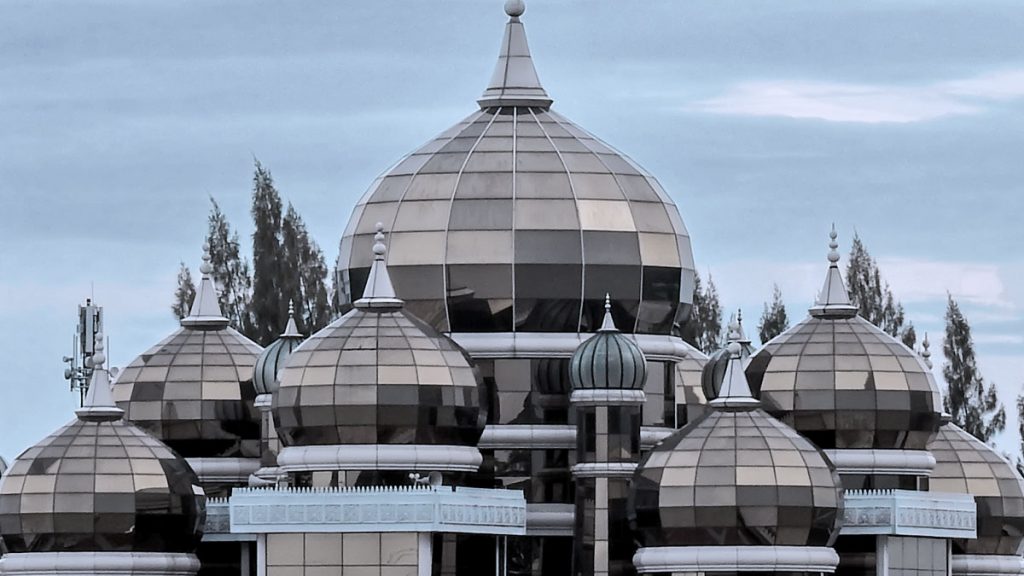
The mosque sits on a concrete platform above the river, and its sleek, modern exterior of laminated glass and steel cladding gives it the crystal-like appearance from which it gets its name. It can accommodate up to 1,500 worshippers at one time, with the main prayer hall holding approximately 700. The mosque is part of the broader Islamic Heritage Park, which also features scale replicas of some of the world’s most famous Islamic structures, including the Taj Mahal, the Dome of the Rock, the Great Mosque of Xi’an, and the Sultan Omar Ali Saifuddin Mosque of Brunei.
The Architecture: Light Made Solid
A Mosque That Glows
What makes the Crystal Mosque truly unlike any other mosque in the world is the way it interacts with light. During the day, its glass and steel surfaces capture and reflect sunlight, creating a dazzling, shimmering effect that changes with the movement of the sun. At sunset, the mosque takes on a warm golden glow as the fading light catches the glass surfaces and the river beneath. But it is at night that the Crystal Mosque reveals its full magic: an internal LED lighting system illuminates the glass domes and minarets in shifting colours of blue, yellow, green, and pink, turning the mosque into a luminous jewel reflected in the still waters of the Terengganu River.
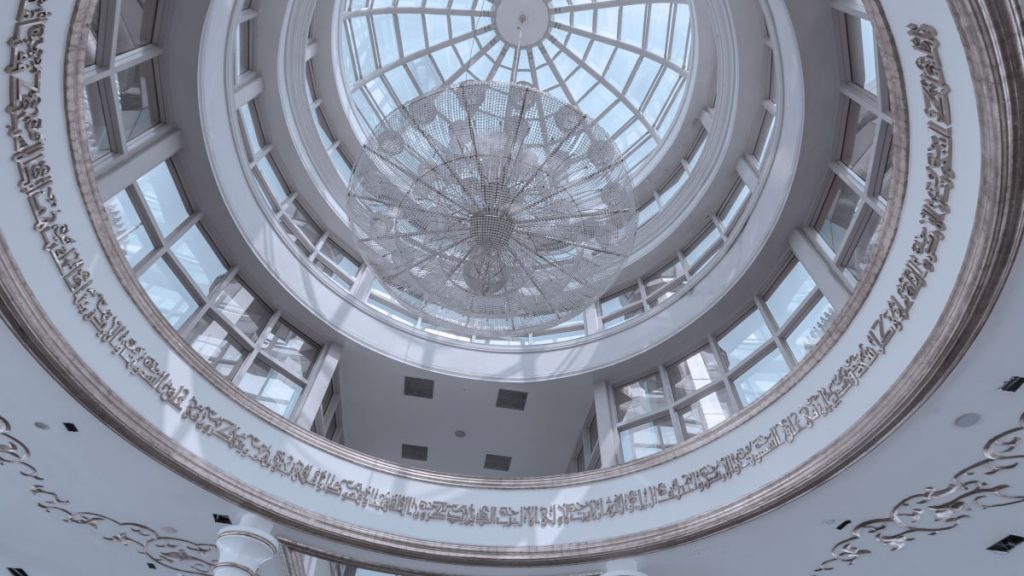
The mosque’s design blends Moorish and Gothic architectural elements with a thoroughly contemporary aesthetic. Four Ottoman-inspired minarets, each clad in laminated glass and supported by steel structures, stand at the corners of the building. Built in three tiers with spiral staircases inside, the slender minarets are tapered and crowned with crescent finials. Additional smaller minarets and turrets are found near the entrance gateway.
The mosque’s beauty has made it one of the most photographed Islamic buildings in Southeast Asia and a hugely popular venue for wedding photography. It is said that there is hardly a day without at least one couple posing for photographs against the glittering backdrop of the Crystal Mosque.
At night the domes shift between blue, yellow, green, and pink reflected in the river like a jewel on the water
The Interior: Calligraphy in Glass
Inside, the Crystal Mosque is designed with a white and gold colour palette that gives the prayer hall a serene, luminous quality. The main prayer hall is surrounded by full laminated glass walls imprinted with Islamic calligraphy, with the exception of the qibla wall, which faces the direction of Makkah. The mihrab (prayer niche) is decorated with beautiful yellowish tiles and features a pointed arch with muqarnas (honeycomb vaulting), while a white timber minbar (pulpit) stands to its right.
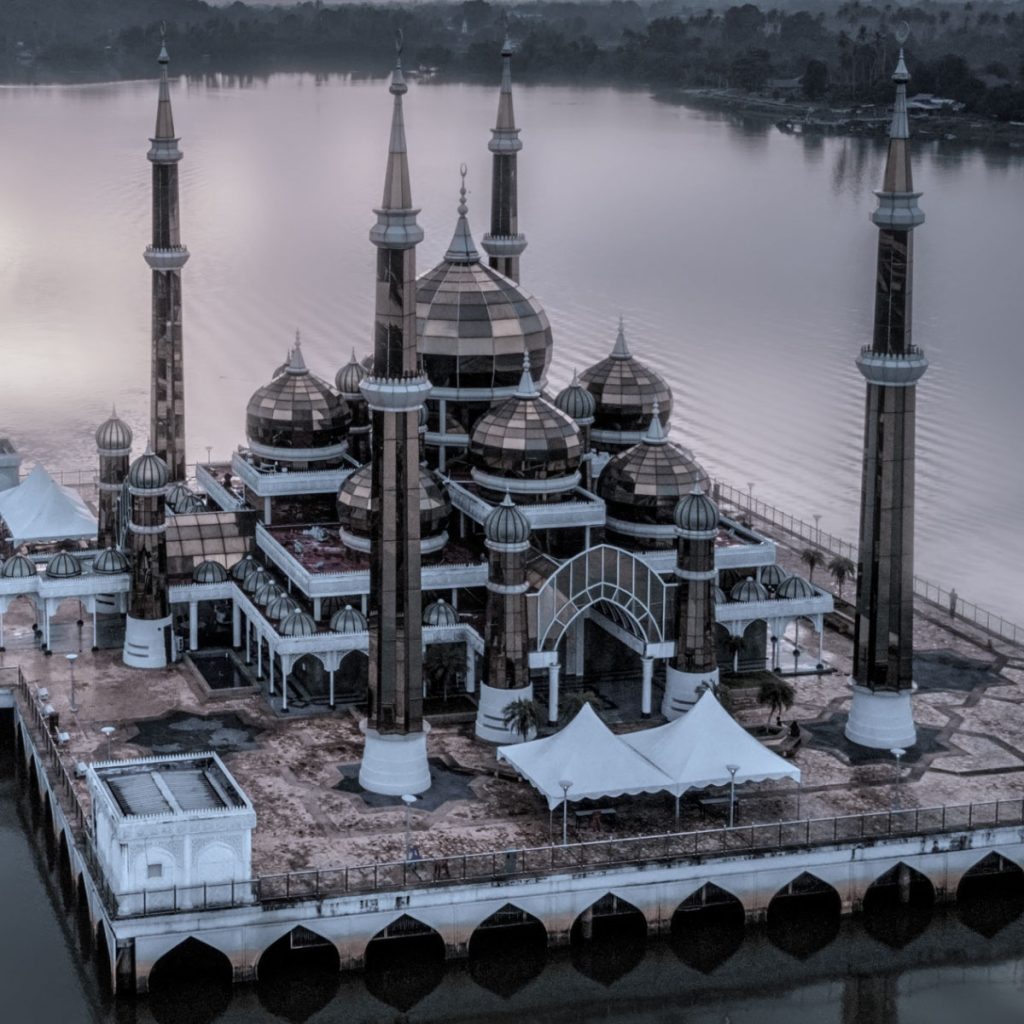
A sparkling crystal chandelier hangs at the centre of the prayer hall, forming the visual focal point of the interior. The cool granite floor is covered with soft floral carpets, and the entire prayer hall is fully air-conditioned, a practical necessity in the tropical heat of Malaysia. The mosque is also equipped with a female prayer area, ablution facilities, and a souvenir shop.
The glass walls are imprinted with Islamic calligraphy turning the building itself into a vessel of the Word
Malaysia’s First Smart Mosque
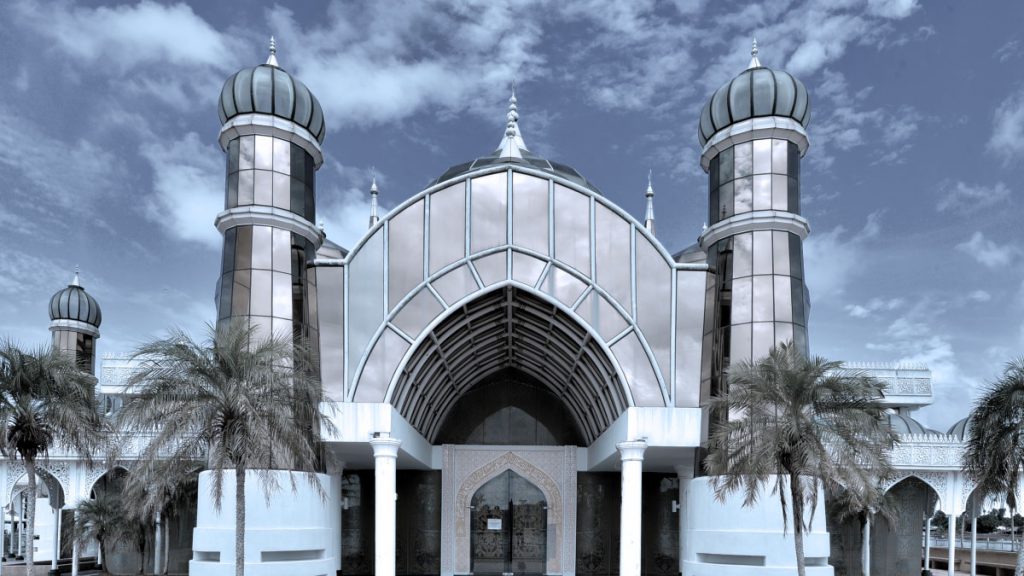
The Crystal Mosque holds the distinction of being Malaysia’s first “intelligent” mosque. The entire building is equipped with a built-in IT infrastructure and full Wi-Fi coverage, allowing worshippers and visitors to access the internet and read the electronic Quran on their devices while inside the mosque. This blend of ancient faith and modern technology is a point of particular pride for the mosque’s designers, and it reflects Malaysia’s ambition to position Islam as a faith that is both deeply rooted in tradition and fully engaged with the modern world.
Malaysia’s first smart mosque with full Wi-Fi allowing worshippers to read the electronic Quran inside
The History of the Crystal Mosque
Where Islam First Touched Malaysia
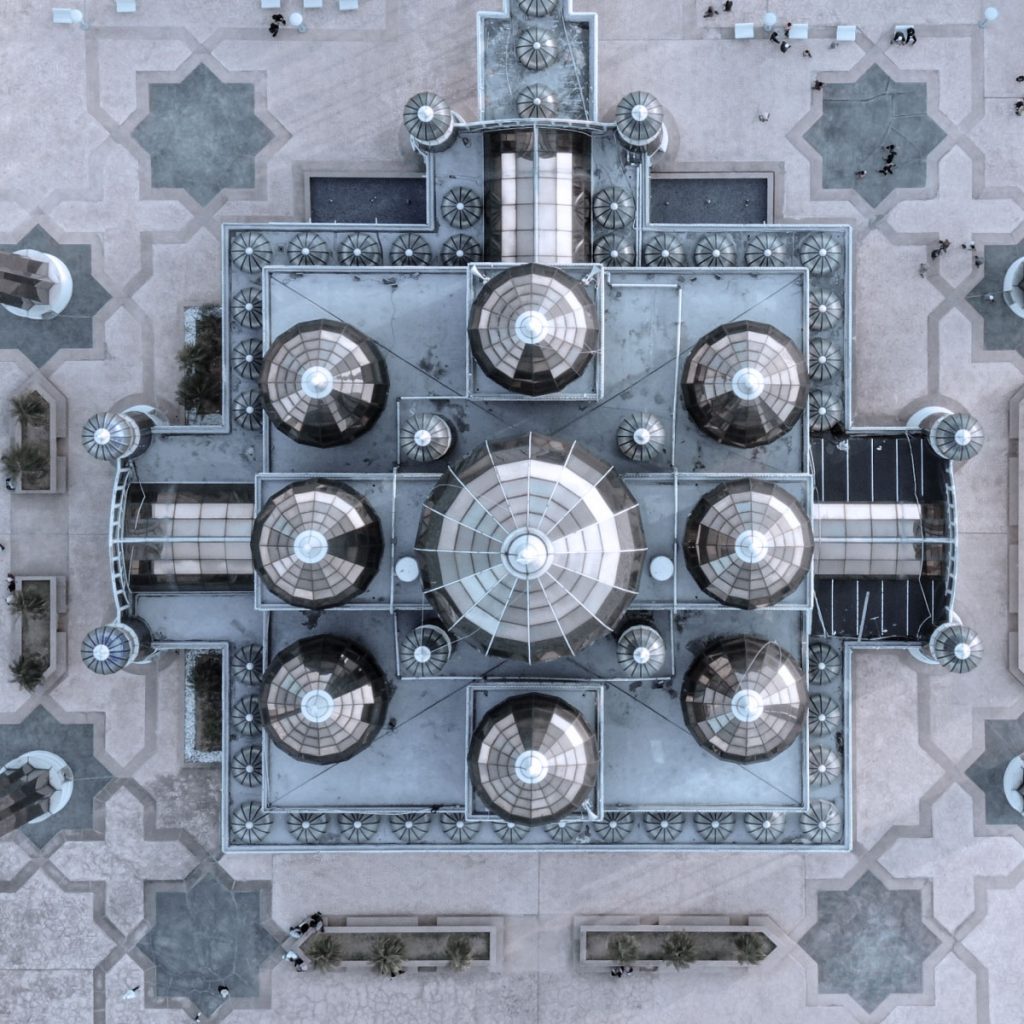
The Crystal Mosque’s location in Terengganu is no coincidence. It was in this very state that Islam first arrived in Malaysia, as documented by the famous Terengganu Inscription Stone (Batu Bersurat), dated 1303 CE. This stone, one of the oldest known Jawi (Arabic-scripted Malay) inscriptions, records Islamic laws and is considered one of the earliest pieces of evidence of Islam’s establishment in Southeast Asia. Building the Crystal Mosque here was a deliberate act of honouring this deep historical connection.
Terengganu is where Islam first arrived in Malaysia, documented by a 1303 CE stone inscription
Terengganu is a coastal state on Malaysia’s east coast, with 95% of its population being Malay Muslims. The state has long been a centre of Islamic learning and culture, and the Crystal Mosque was conceived as a symbol of this heritage, combining the spiritual values of the past with the architectural innovation of the present.
Islam Arrives in Terengganu
The Terengganu Inscription Stone, dated 1303 CE, records the establishment of Islamic law in the region. Written in Jawi (Arabic-scripted Malay), it is one of the earliest documented pieces of evidence of Islam’s arrival in Southeast Asia. Terengganu becomes one of the first states in the Malay world to embrace the faith.
Construction Begins
Construction of the Crystal Mosque begins on Pulau Wan Man, a man-made island in the Terengganu River. The ambitious project, costing approximately $80 million, aims to create a mosque unlike any other in the world, built entirely from steel, glass, and crystal. The mosque is designed as the centrepiece of the new Islamic Heritage Park (Taman Tamadun Islam).
The Mosque Is Inaugurated
After two years of construction, the Crystal Mosque is officially opened by Sultan Mizan Zainal Abidin of Terengganu, the 13th Yang di-Pertuan Agong (King of Malaysia). The mosque immediately becomes the icon of Kuala Terengganu and one of the most recognisable Islamic landmarks in Southeast Asia.
A Global Icon of Modern Islam
The Crystal Mosque is recognised as one of the most beautiful mosques in the world and a symbol of Islamic modernisation in Malaysia. It serves as an active place of worship for the local community, accommodating up to 1,500 worshippers, while drawing visitors and photographers from across the globe. The surrounding Islamic Heritage Park features replicas of the world’s most iconic Islamic structures, from the Taj Mahal to the Dome of the Rock.
A Light for the Future
The Crystal Mosque represents something rare in the Islamic world: a mosque that is completely and unapologetically modern, yet deeply connected to the ancient roots of Islam in Southeast Asia. It proves that the house of Allah does not need to look the same everywhere, that it can be built from glass and steel just as beautifully as from marble and stone, and that the call to prayer can echo through fibre-optic networks just as powerfully as it echoes through ancient minarets.
Allah says in Surah An-Nur of the Quran:
اَللّٰہُ نُوۡرُ السَّمٰوٰتِ وَالۡاَرۡضِ
“Allah is the Light of the heavens and the earth.”
No mosque in the world embodies this verse more literally than the Crystal Mosque. Built from the very materials that capture, reflect, and transmit light, it stands on the water as a glowing reminder that the light of Allah reaches every age, every place, and every form that human hands can create.
FAQ About the Crystal Mosque
The Crystal Mosque is located on Pulau Wan Man (Wan Man Island), a man-made island in the Terengganu River in Kuala Terengganu, Terengganu, Malaysia. It is part of the Islamic Heritage Park (Taman Tamadun Islam). Visitors can reach it by road or by bot penambang (traditional water taxi), which offers stunning views of the mosque from the river.
The mosque gets its name from its crystal-like appearance. Built from steel, glass, and crystal, the exterior surfaces reflect and refract light, giving the entire structure a shimmering, crystalline quality. While the primary material is laminated glass reinforced with steel, actual crystal elements are also embedded within the structure. The effect is most dramatic when sunlight or moonlight hits the glass domes and minarets.
Construction took place between 2006 and 2008, at a cost of approximately $80 million. The mosque was officially inaugurated on 8th February 2008 by Sultan Mizan Zainal Abidin of Terengganu, the 13th Yang di-Pertuan Agong (King of Malaysia).
Yes, the Crystal Mosque welcomes visitors of all faiths. Guided tours are available, and the mosque provides robes for visitors who need them. Modest dress is required. The mosque and the surrounding Islamic Heritage Park are open from 10am to 7pm (Monday, Wednesday, Thursday) and 9am to 7pm (Friday to Sunday), closed on Tuesdays.
The Taman Tamadun Islam (Islamic Heritage Park) is a theme park on Wan Man Island dedicated to celebrating Islamic civilisation from around the world. It features scale replicas of famous Islamic landmarks, including the Taj Mahal (India), the Dome of the Rock (Jerusalem), the Great Mosque of Xi’an (China), and the Sultan Omar Ali Saifuddin Mosque (Brunei). It also offers a river cruise, water garden, food courts, a convention centre, and a guesthouse. It is considered the first theme park in the world to blend the concepts of religion and tourism.
The Crystal Mosque is beautiful at any time of day, but the most spectacular views are at sunset and after dark, when the LED lighting system illuminates the glass domes and minarets in shifting colours reflected in the river. For photography, the golden hour (just before sunset) offers the most dramatic contrast between the warm sky and the glowing structure. During Ramadan, the mosque draws particularly large crowds for prayers and the atmosphere is especially vibrant.
Islam Reimagined in Light
The Crystal Mosque is a bold declaration that Islam is a living, breathing faith that continues to inspire new forms of beauty in every age. While the great mosques of the past were built from marble, stone, and tile, this mosque is built from the materials of the future: glass, steel, and light. Yet beneath its modern exterior, the same eternal truths are spoken, the same prayers are offered, and the same Creator is worshipped, just as He has been in mosques from Makkah to Marrakesh for over fourteen centuries.
As Allah, Al-Badi (The Originator of the Heavens and Earth), brings into existence that which has never existed before, the Crystal Mosque stands as a humble echo of that creative power, a house of worship that the world had never seen before it rose from the waters of the Terengganu River.
May Allah preserve the mosques of this Ummah and bless those who build and maintain them. Ameen.